


Introduction & Context
For many residents in Marin County, the garage is far more than just a place to park a vehicle. It often functions as a secondary storage unit, a home workshop, or even a transition zone between the outdoors and the living space. Unfortunately, this makes it a prime target for opportunistic invaders. Because garages are frequently attached to the main house, a small infestation in your storage area can quickly escalate into a full-scale issue within your living quarters. Understanding garage pest control is not just about keeping your tools clean; it is a fundamental aspect of comprehensive home pest prevention. Whether you are dealing with spiders, rodents, or beetles, the garage serves as the first line of defense. By implementing proactive exclusion strategies, you can prevent pests from establishing a foothold, ensuring that your home remains a sanctuary rather than a habitat for unwanted visitors.
Key Takeaways & Core Concepts
Successful garage pest control relies on an integrated approach that focuses on exclusion, sanitation, and monitoring. Pests are constantly seeking three things: food, water, and shelter. Garages often provide all three in abundance.
- Exclusion is Primary: The most effective way to manage pests is to prevent them from entering. This involves sealing cracks, gaps, and voids where pipes or electrical lines enter the garage.
- Sanitation Reduces Attraction: Pests like pantry pests or rodents are drawn to stored food, pet supplies, or cardboard boxes. Keeping the space organized and clean is essential.
- Moisture Management: Many pests, such as silverfish and spiders, thrive in damp environments. Fixing leaky pipes or ensuring proper ventilation is a key garage pest control strategy.
- The Barrier Effect: Establishing a professional perimeter treatment helps deter pests that attempt to cross the threshold into your garage.
- Clutter Control: Cardboard boxes are prime nesting grounds for insects and rodents. Switching to airtight plastic bins significantly reduces the risk of long-term infestations.
By understanding these core concepts, homeowners can shift from reactive extermination to proactive management, saving time and money in the long run.
Actionable Step-by-Step Guide
Step 1: The Perimeter Inspection
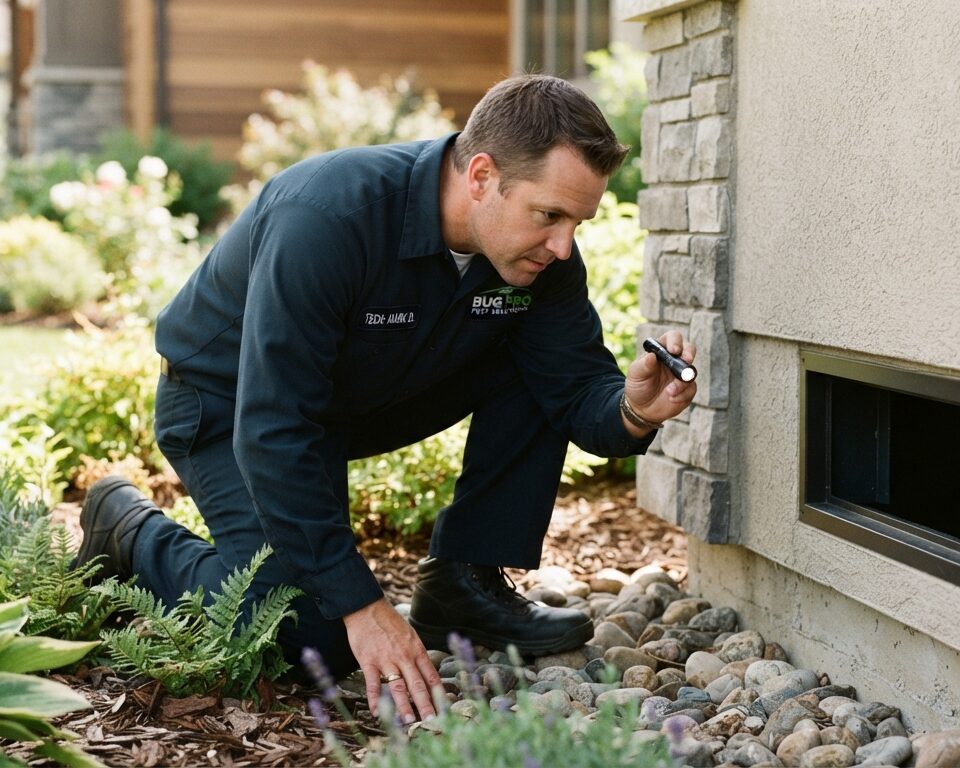
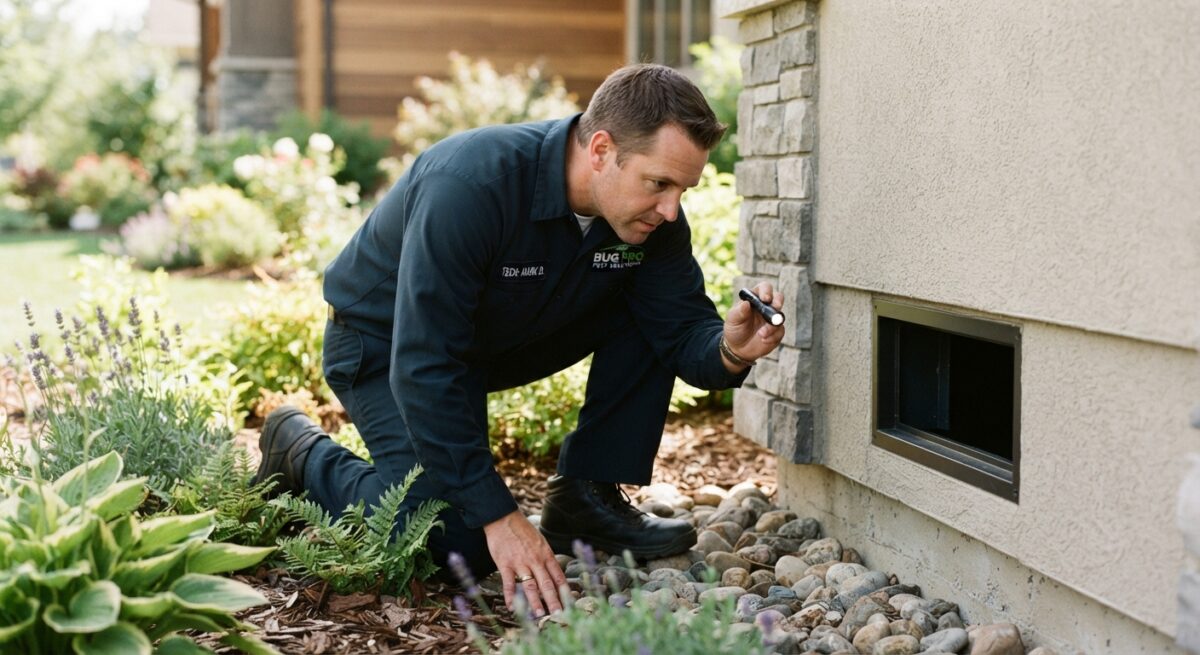
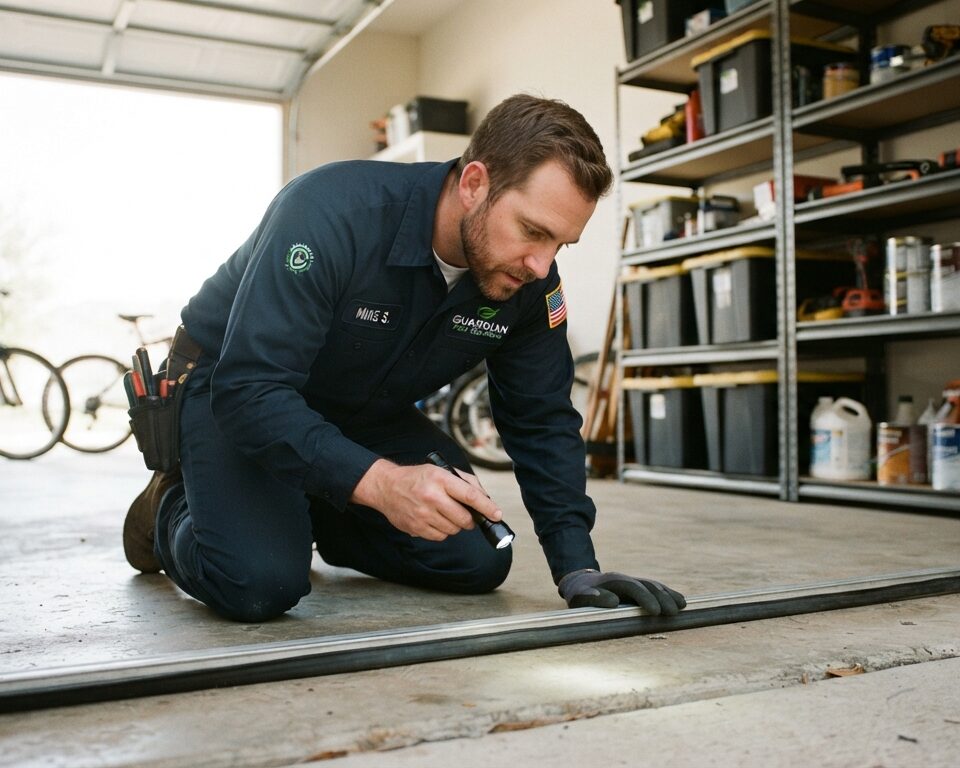
Start by walking the exterior perimeter of your garage. Look for gaps under the garage door, particularly at the corners. The rubber weather stripping on the bottom of most garage doors degrades over time, creating a perfect entry point for rodents and insects. If you notice daylight under the door, it is time for a replacement.
Step 2: Seal Entry Points
Use high-quality silicone caulk or expanding foam to seal cracks around utility penetrations. For larger holes where plumbing or electrical conduits enter the wall, use steel wool covered with caulk. Rodents cannot chew through steel wool, making it a critical material for effective garage pest control.
Step 3: Organize and Elevate
Move stored items off the floor. Use metal or heavy-duty plastic shelving units. Elevating your storage by at least six inches makes it much easier to inspect the area for signs of pests, such as droppings or webs, and denies rodents the dark, sheltered corners they prefer for nesting.
Step 4: Manage Your Waste
Ensure that trash cans are tightly sealed and emptied regularly. If you store pet food in the garage, keep it in heavy-duty, airtight containers. Many homeowners inadvertently invite rodents by leaving bags of birdseed or pet kibble accessible on the floor.
Step 5: Professional Monitoring
Even with strict exclusion, some pests may find a way in. Partnering with a professional team, such as those at North Point Pest Solutions, allows for regular inspections and targeted treatments that DIY methods often miss. You can request a quote today to have a professional assess your specific property needs.
Common Pitfalls to Avoid
Many homeowners rely solely on chemical sprays. While these can provide temporary relief, they do not address the root cause of entry. Always prioritize physical exclusion before relying on chemical measures. For more information on professional standards, consult the EPA guidelines on integrated pest management.
Frequently Asked Questions
Why do rodents prefer the garage?
Garages offer a protected environment away from predators and the elements. They are often filled with cardboard boxes, which are excellent nesting materials for mice and rats, and may contain food sources like pet supplies or garden seeds.
How often should I inspect my garage for pests?
Ideally, perform a thorough inspection at the start of every season. Seasonal changes often drive pests to move from gardens into structures, making the garage an early warning station for your home.
Can a professional help with garage door seals?
Yes, many pest control professionals can identify specific entry points and recommend the best materials for sealing your garage door, ensuring that your exclusion efforts are effective.
Is clutter really that bad for pests?
Absolutely. Clutter provides “harborage,” which is the industry term for places where pests hide and breed. By removing clutter, you make the garage less hospitable and easier to monitor for early signs of activity.
Conclusion & Summary
Maintaining a pest-free garage is a vital component of protecting your property. By focusing on garage pest control through thorough exclusion, smart organization, and consistent sanitation, you significantly reduce the risk of pests entering your home. Remember that the goal is to create an environment that is unattractive to pests while ensuring that your storage remains functional and safe. If you find that your efforts are not enough, do not hesitate to contact the professionals at North Point Pest Solutions. We are here to help you secure your space and maintain a healthy, pest-free environment for your entire family.