

Table of Contents
- Understanding Common Pests and Prevention
- Preventing Pests From Entering Your Home
- Seasonal Pest Prevention Strategies
- DIY vs. Professional Pest Solutions
- Frequently Asked Questions
Understanding Common Pests and Prevention
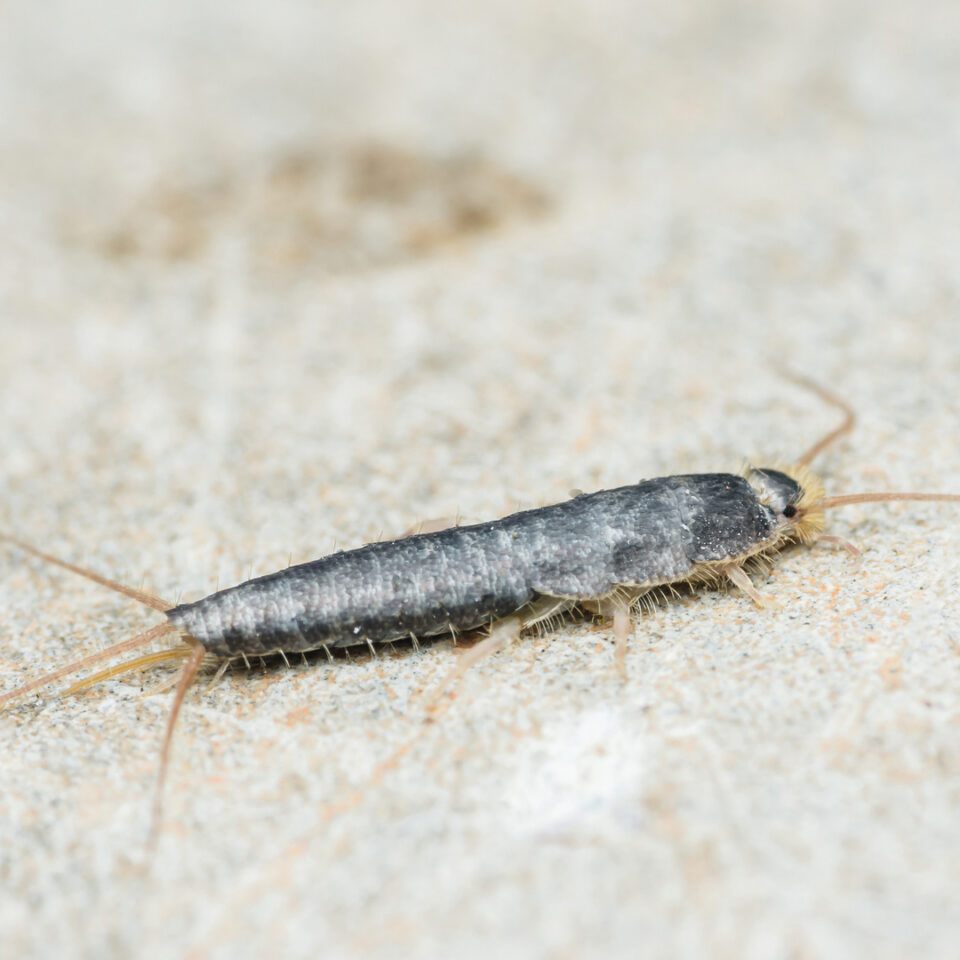
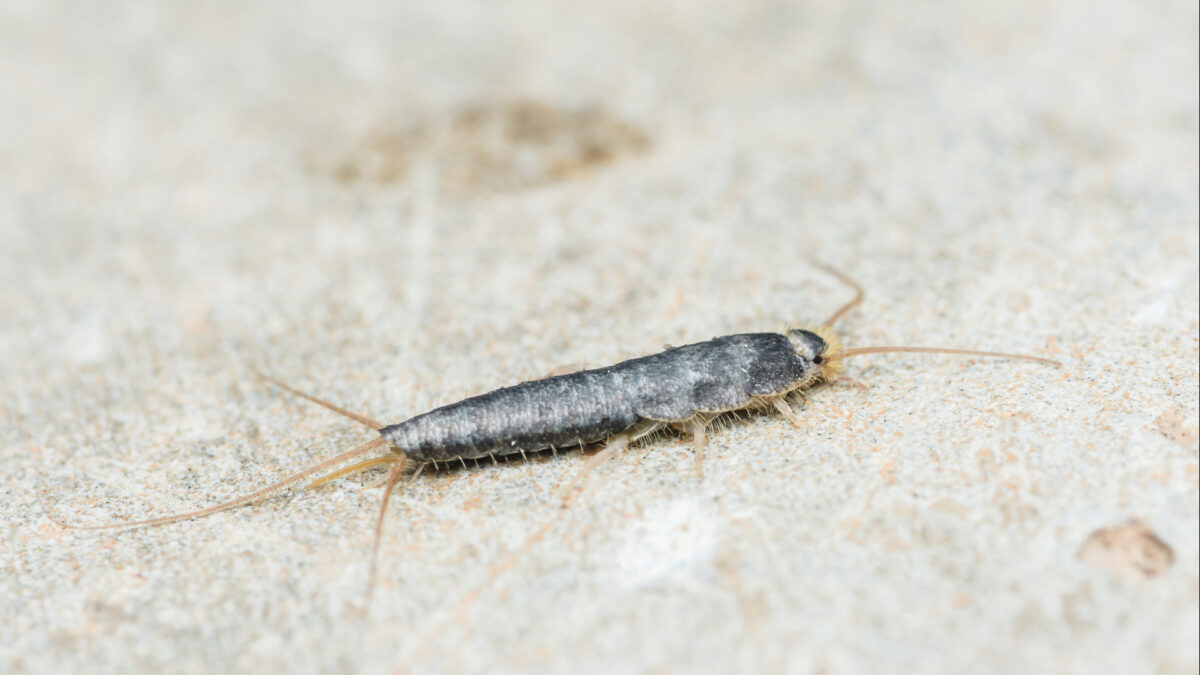
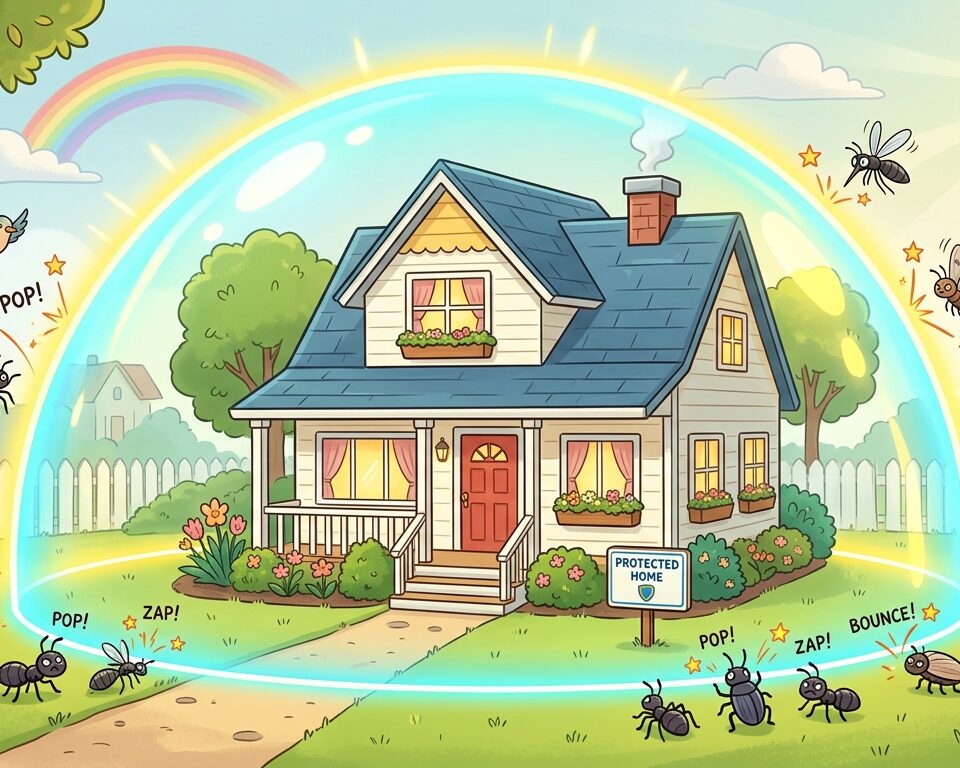
Keeping your home free from unwanted visitors is crucial for a healthy and comfortable living environment. Effective home pest control involves understanding the common pests that can invade your space and taking proactive steps to prevent them. Pests like ants, spiders, and rodents are not just annoying; they can also carry diseases and damage your property.
Learning about their habits and what attracts them is the first step in successful prevention. Many pests are drawn to food sources, water, and shelter. By removing these attractants, you can significantly reduce the chances of an infestation. This guide will walk you through proven methods to keep your home safe.
Preventing Pests From Entering Your Home Pest Control
The most effective way to manage pests is to stop them from getting inside in the first place. Simple actions can make a big difference in your pest prevention tips efforts.
Seal Entry Points
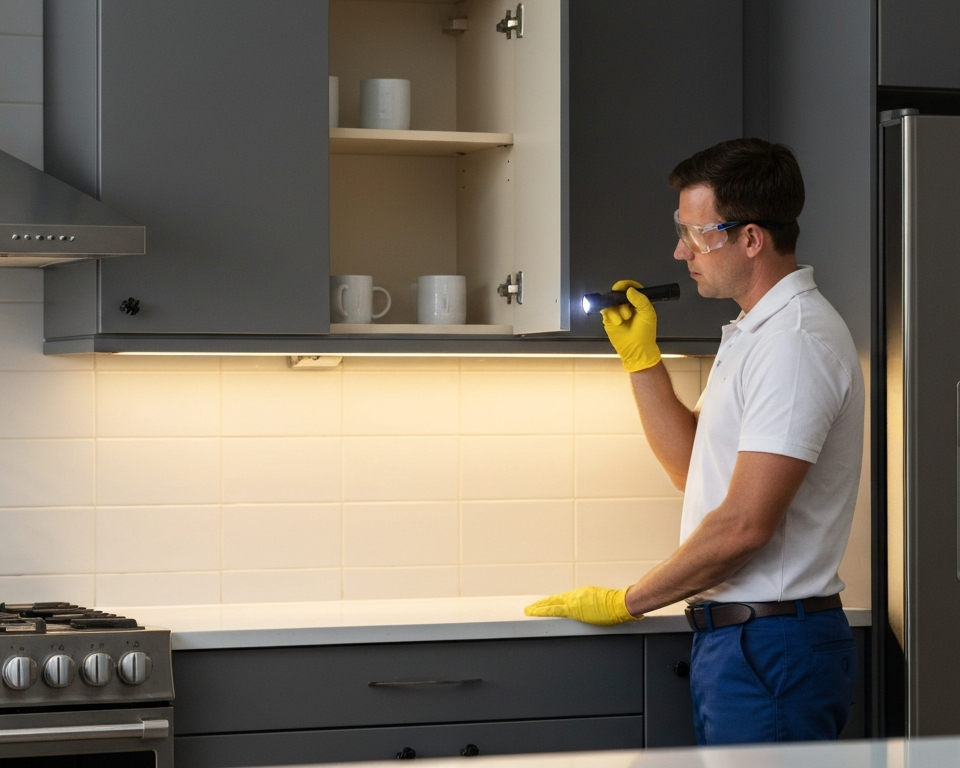
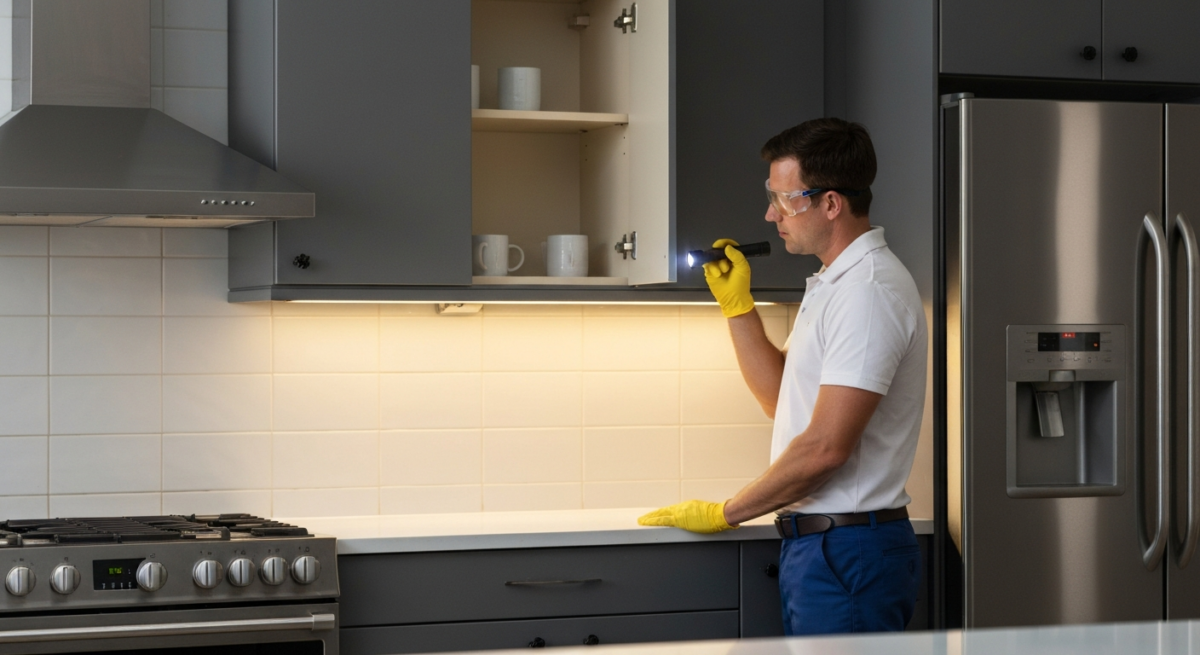
Inspect the exterior of your home for any cracks or gaps. Pay close attention to areas where utilities enter the house, like pipes and wires. Use caulk or sealant to close these openings. Weatherstripping around doors and windows also helps create a tight seal.
Manage Trash and Recycling
Keep outdoor trash cans sealed tightly and clean them regularly. Food scraps and spills can attract a variety of pests. Bringing trash cans to the curb on collection day as soon as possible can also limit exposure.
Control Moisture
Pests need water to survive. Fix leaky pipes and faucets both inside and outside your home. Ensure good ventilation in bathrooms and basements to prevent dampness. Standing water in plant saucers or pet bowls can also be an attractant.
Yard Maintenance
Keep your lawn mowed and trim back bushes and trees so they don’t touch your house. These can serve as bridges for pests to reach your home’s entry points. Remove leaf litter and debris, as these provide shelter for many common pests.
Seasonal Pest Prevention Strategies
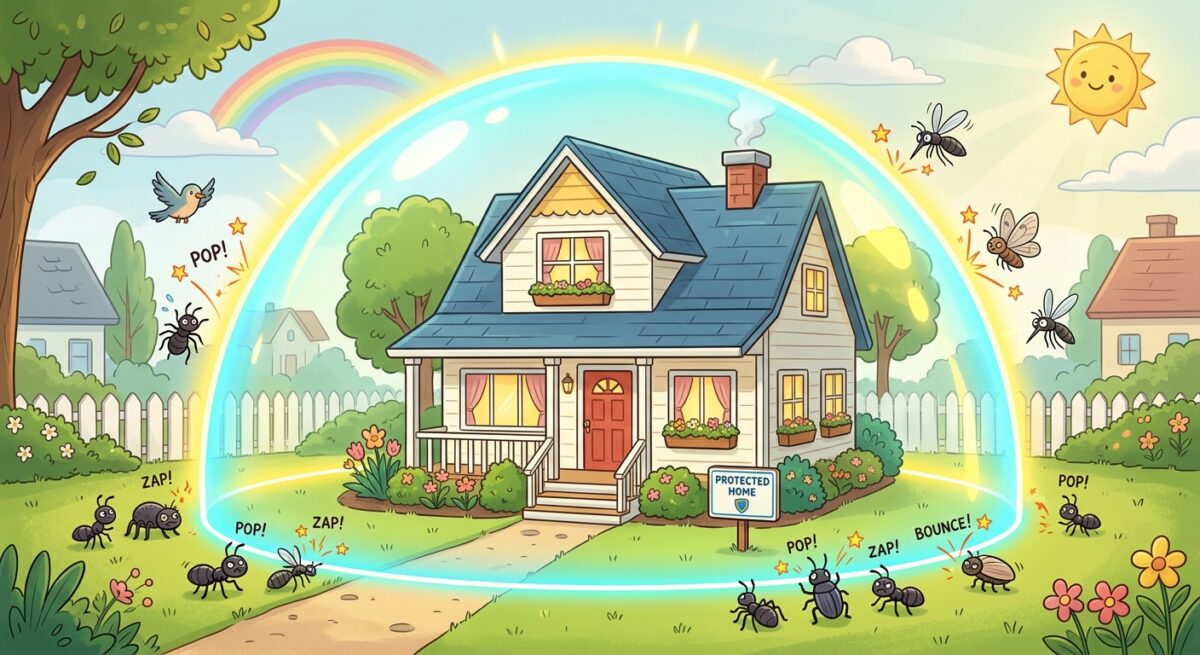
Pest activity often changes with the seasons. Implementing seasonal pest control measures can be highly effective.
- Spring: As temperatures rise, insects become more active. Focus on sealing entry points and managing outdoor moisture.
- Summer: Ants and other insects are common. Keep kitchens clean and seal food tightly.
- Fall: Rodents and insects like spiders may seek shelter indoors as it gets colder. Seal entry points and check attics and basements.
- Winter: While insect activity slows, rodents can remain a problem, seeking warmth. Keep kitchens clean and monitor for signs of activity.
For comprehensive solutions, consider consulting with experts like Northpoint Pest Solutions. They offer tailored strategies for every season.
DIY vs. Professional Pest Solutions
While some minor pest issues can be handled with DIY methods, many situations benefit from professional expertise. A professional pest exterminator has the knowledge and tools to identify the source of the problem and implement targeted treatments. Resources like the Environmental Protection Agency (EPA) offer guidance on safe pest control practices.
Professional services ensure that treatments are applied safely and effectively, protecting your family and pets. If you suspect a significant infestation or are struggling with recurring pest problems, reaching out to a reputable company is often the best course of action. Consider exploring local options for reliable service.
Frequently Asked Questions
What are the signs of a rodent infestation?
Signs include droppings, gnaw marks on wood or wires, scratching noises in walls or ceilings, and greasy rub marks along baseboards.
How often should I pest-proof my home?
It’s a good idea to perform a basic check for entry points and clean up potential attractants monthly. More thorough inspections and preventative treatments can be done seasonally or annually.
Are DIY pest control products safe for pets?
Some DIY products can be harmful to pets. Always read and follow label instructions carefully, and consider using pet-safe alternatives or consulting a professional.
When should I call a professional pest control service?
You should call a professional if you see signs of a significant infestation, if DIY methods aren’t working, or if you’re dealing with pests that pose a health risk, like termites or certain rodents.
Expert Takeaway
By James C.
Proactive prevention is the cornerstone of effective home pest control. Understanding pest behavior and diligently sealing entry points, managing waste, and controlling moisture can significantly reduce the likelihood of infestations. While DIY methods have their place, don’t hesitate to leverage professional expertise for persistent issues or for comprehensive pest management strategies tailored to your specific needs and environment. Regular vigilance and timely action are key to maintaining a pest-free home year-round.
Ready to Protect Your Home?
Don’t let pests take over your home. Contact a trusted pest control professional today to discuss your specific needs and ensure a safe, comfortable living environment for you and your family. Visit Northpoint Pest Solutions for reliable pest management services.