



Introduction & Context
For many homeowners in the North Bay, a home is the largest investment they will ever make. However, hidden beneath the floors and behind the walls, a silent destroyer may be at work. Termites are often referred to as silent invaders because they can consume structural wood for years before their presence is even suspected. Eliminating termites is not just a matter of convenience; it is a critical requirement for maintaining the structural integrity of your residence. Unlike other pests that leave obvious trails or droppings, termites operate in the dark, damp spaces of your foundation, basement, and crawlspaces.
Understanding the biology and behavior of these insects is the first step toward effective mitigation. Whether you are dealing with subterranean termites that travel through soil or drywood termites that nest directly within structural timber, the threat they pose is significant. This guide is designed to empower you with the knowledge needed to identify early warning signs, implement preventative measures, and understand when it is time to call in the professionals at North Point Pest Solutions to safeguard your property against these wood-destroying organisms.
Key Takeaways & Core Concepts
To effectively manage a potential infestation, you must first recognize the fundamental behaviors and indicators associated with termite activity. While many homeowners hope that termites will simply pass them by, proactive monitoring is essential.
- Termite Castes: Termite colonies are divided into workers, soldiers, and swarmers. Workers are the ones causing damage, while swarmers (often mistaken for flying ants) are the reproductive members that migrate to start new colonies.
- Visible Mud Tubes: Subterranean termites construct pencil-sized tunnels of dirt and debris against foundations. These tubes provide the moisture they need to travel safely between their underground nests and your home’s wood.
- Discarded Wings: If you find piles of translucent, identical wings near windowsills or light fixtures, this is a strong indicator that a swarm has recently occurred nearby.
- Hollow-Sounding Wood: As termites consume wood from the inside out, the surface may appear perfectly normal while the interior is completely hollowed. Tapping on support beams can often reveal hidden damage.
- Integrated Pest Management (IPM): As outlined in our 5 proven pillars of professional pest management, long-term success relies on combining physical barriers, environmental control, and targeted treatments rather than relying on a single ‘quick fix’ spray.
For further reading on the environmental factors that attract pests, you can consult the Environmental Protection Agency’s guide on termite control, which provides a national overview of how to manage these pests safely and effectively.
Actionable Step-by-Step Guide
Step 1: Conduct a Thorough Property Inspection
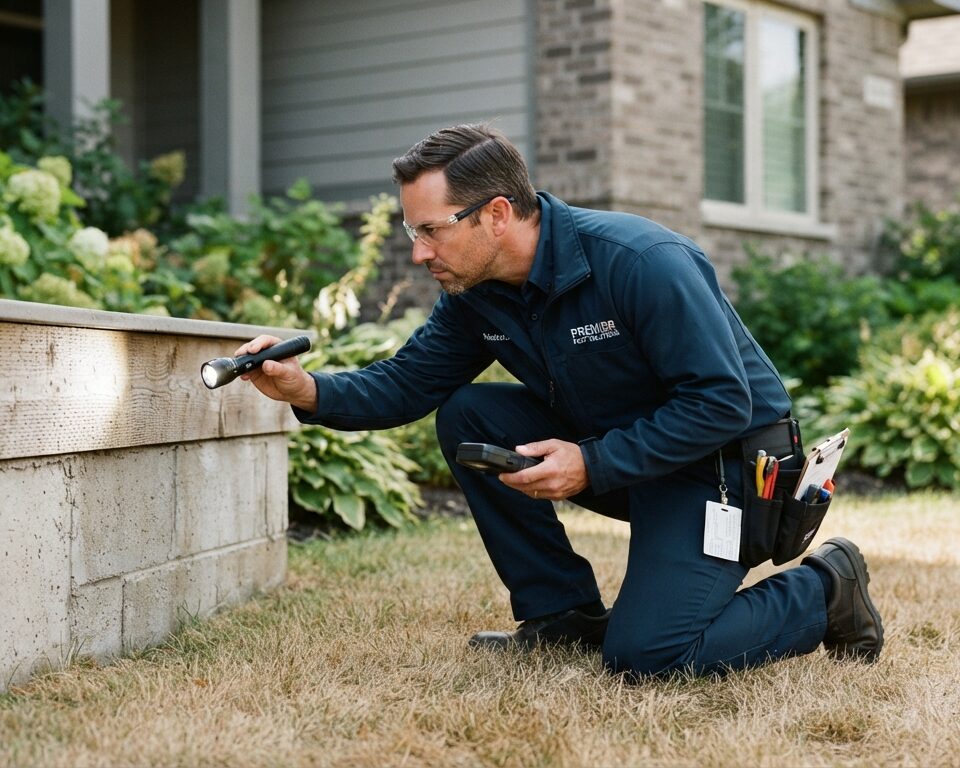
Start by walking the perimeter of your home. Use a screwdriver to probe wooden elements like decks, fence posts, and door frames near the ground. If the wood feels soft or crumbles easily, it may be compromised. Look closely at the foundation for the mud tubes mentioned earlier. Ensure that no wood-to-soil contact exists, as this provides a direct highway for termites to enter your home.
Step 2: Eliminate Moisture Sources
Termites thrive in damp environments. Inspect your gutters and downspouts to ensure they are directing water away from your foundation. Address any leaky faucets, pipes, or air conditioning units that might create puddles near the structure. A dry foundation is a significant deterrent for subterranean species.
Step 3: Remove Food Sources
Clean up your yard by removing stumps, fallen branches, and wood piles that are stored against the house. If you use mulch, keep it at least 6 to 12 inches away from your home’s exterior siding. By creating a ‘dry zone’ around your perimeter, you make it much harder for termites to bridge the gap between their natural habitat and your structural wood.
Step 4: Professional Intervention
If you suspect an active infestation, do not attempt to ‘spot treat’ with store-bought chemicals. These often only kill the termites you see while leaving the colony queen and the rest of the nest intact. Professional pest control services utilize baiting systems and specialized soil treatments that are designed to eliminate the entire colony, ensuring the threat is completely neutralized.
Frequently Asked Questions
How can I tell the difference between a flying ant and a termite swarmer?
Termites have straight antennae, a broad waist, and wings of equal length. Flying ants have ‘elbowed’ antennae, a pinched waist, and wings where the front pair is longer than the back pair.
Are termites active all year round in the Bay Area?
Yes, due to the mild climate of the North Bay, termites can remain active throughout the year, though swarming activity often peaks during the spring months as temperatures begin to rise.
Can I treat a termite infestation myself with DIY products?
While some DIY products exist, they are rarely sufficient for established colonies. Termites are notoriously difficult to eradicate because they nest deep within walls or underground, often requiring professional-grade equipment to reach.
How often should I have a professional termite inspection?
We recommend a professional inspection at least once every two years, or sooner if you notice any signs of wood damage or swarmers around your property. Early detection is the most effective way to avoid expensive structural repairs.
Conclusion & Summary
Protecting your home from termites requires a blend of vigilance, moisture control, and professional expertise. By identifying the early warning signs—such as mud tubes, discarded wings, and hollow wood—you can catch an infestation before it leads to significant structural damage. Remember that eliminating termites is a process that focuses on the entire colony rather than just the visible insects. By maintaining a dry, clean perimeter and partnering with experienced professionals, you can ensure that your North Bay home remains a safe and secure sanctuary for your family. If you have concerns about potential termite activity, don’t wait for the damage to worsen; take action by scheduling an inspection today.