


Table of Contents
- Introduction
- Why Home Pest Prevention Matters
- Proven Preventative Measures
- Identifying and Eliminating Common Pests
- Adapting to Seasonal Pest Issues
- Frequently Asked Questions
- Take Action Today
Introduction
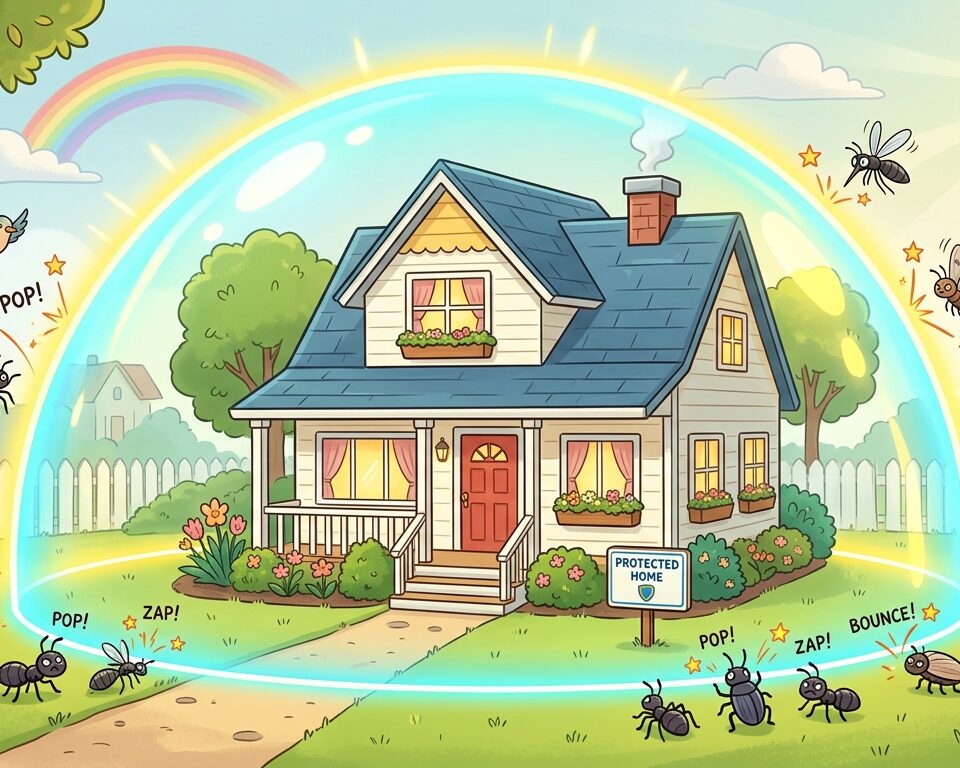
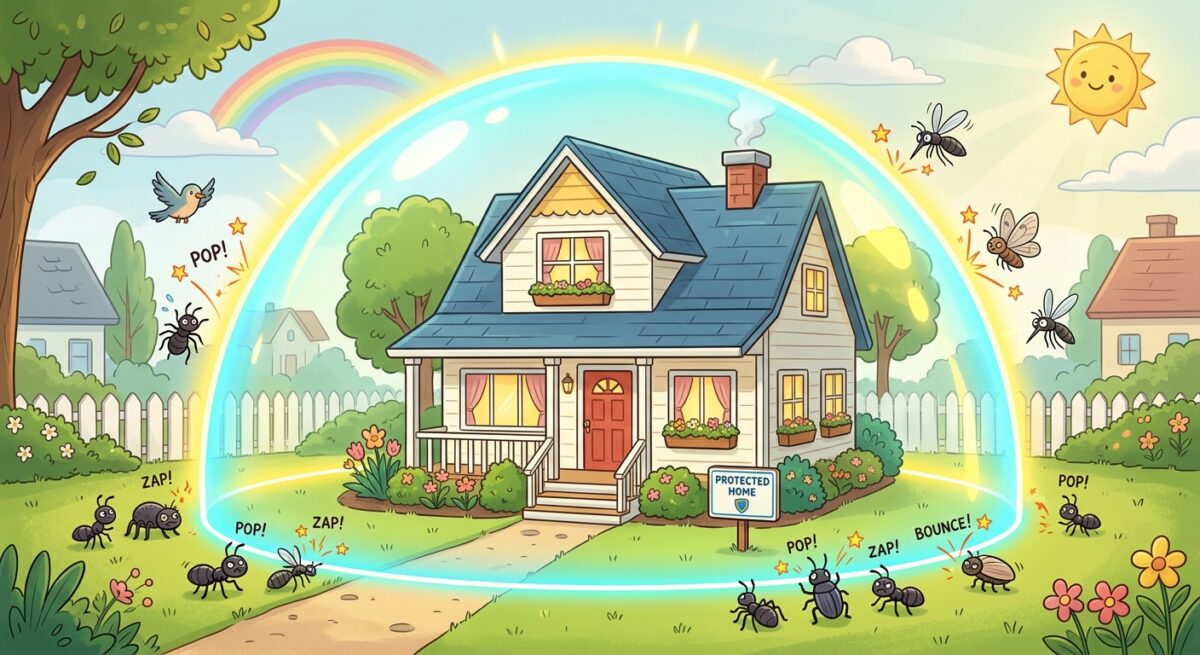
Maintaining a safe and comfortable living environment is paramount for any homeowner. A critical aspect of this is effective home pest prevention. Unwanted pests can compromise your home’s integrity, pose health risks, and cause significant distress. Understanding and implementing proactive measures is far more efficient and less disruptive than dealing with an established infestation. This guide will walk you through essential strategies to keep your residence pest-free.
Why Home Pest Prevention Matters
The significance of robust home pest prevention cannot be overstated. Pests like rodents, insects, and termites can cause extensive structural damage, leading to costly repairs. Furthermore, many pests are vectors for diseases, contaminating food and surfaces, thereby posing serious health risks to families and pets. Early detection and prevention save homeowners both financial burdens and potential health complications. For professional assistance tailored to your specific needs, consider the expert services available at Northpoint Pest Solutions.
Proven Preventative Measures
Implementing a multi-faceted approach is key to successful residential pest control. Here are some of the most effective strategies:
- Seal Entry Points: Inspect your home’s exterior and interior for any cracks, gaps, or holes in walls, foundations, windows, and doors. Seal these vulnerabilities with caulk or weatherstripping to prevent pests from entering.
- Proper Food Storage: Store food, including pet food, in airtight containers. Clean up spills and crumbs promptly. Avoid leaving dirty dishes in the sink overnight.
- Manage Moisture: Fix leaky pipes and faucets. Ensure proper ventilation in bathrooms and kitchens. Address any standing water around your property, as moisture attracts many pests.
- Yard Maintenance: Keep your lawn mowed and trim bushes and trees away from your home’s foundation. Remove debris and firewood piles, as these can harbor pests.
- Waste Management: Use trash cans with tight-fitting lids and ensure they are emptied regularly. Keep garbage areas clean to avoid attracting pests.
These preventative steps form the bedrock of a comprehensive pest management plan, significantly reducing the likelihood of infestations. For more on integrated pest management principles, consult resources from the Environmental Protection Agency (EPA).
Identifying and Eliminating Common Pests
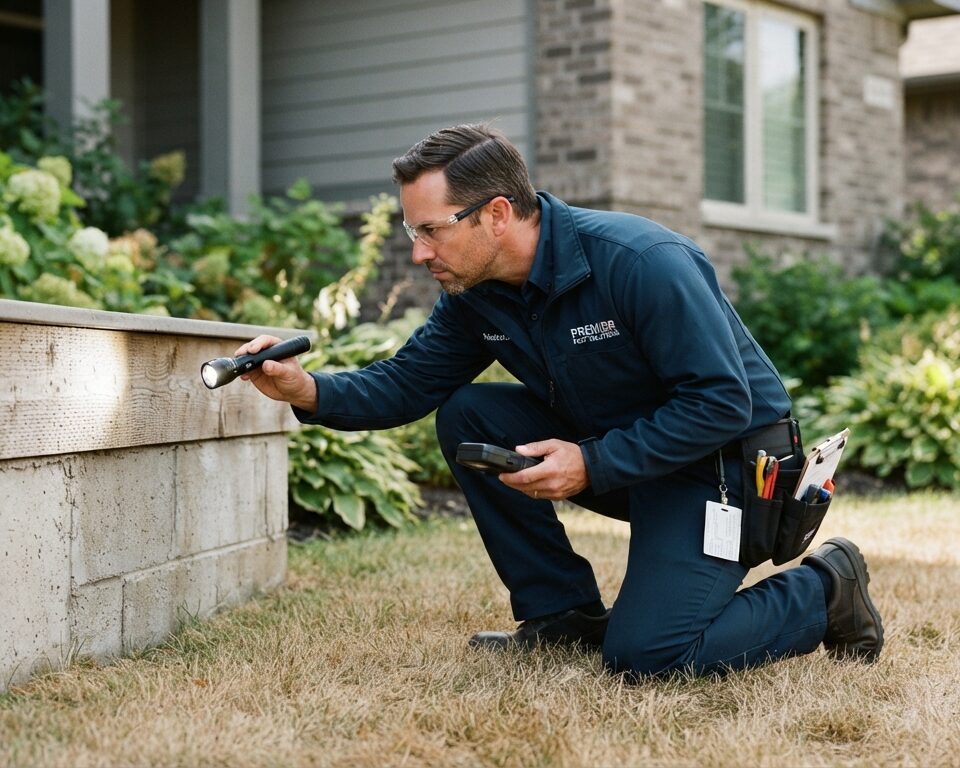
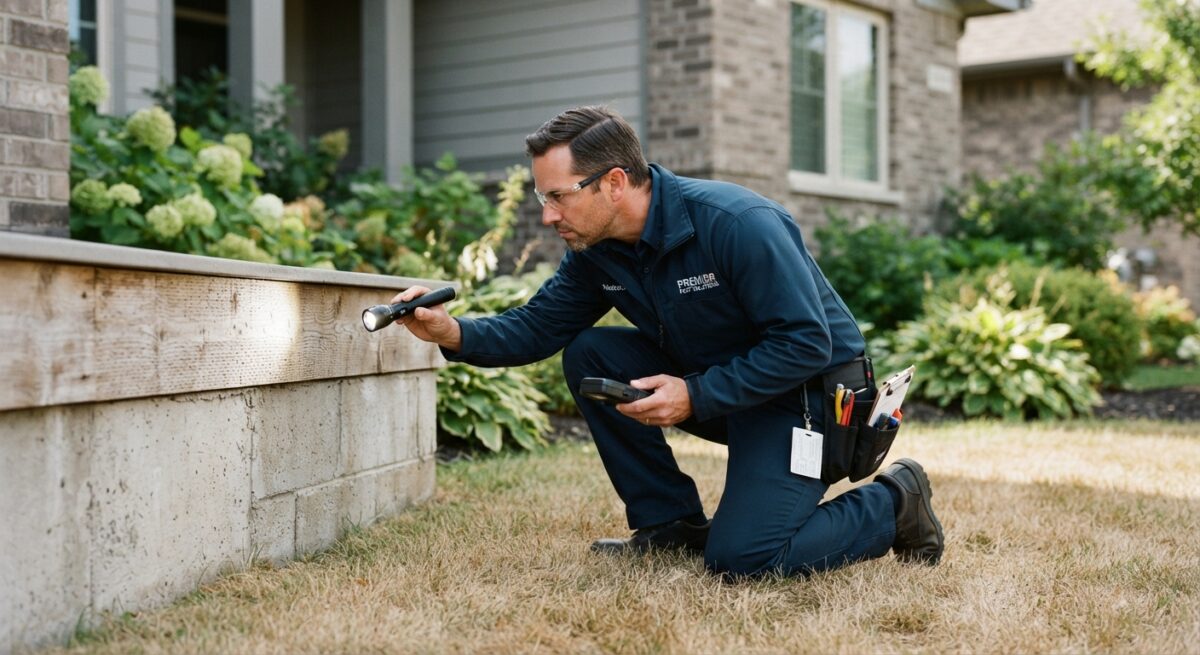
Understanding the signs of common pests is crucial for timely intervention. Look out for:
- Rodents (Mice & Rats): Droppings, gnaw marks, scratching noises, and sightings of the rodents themselves.
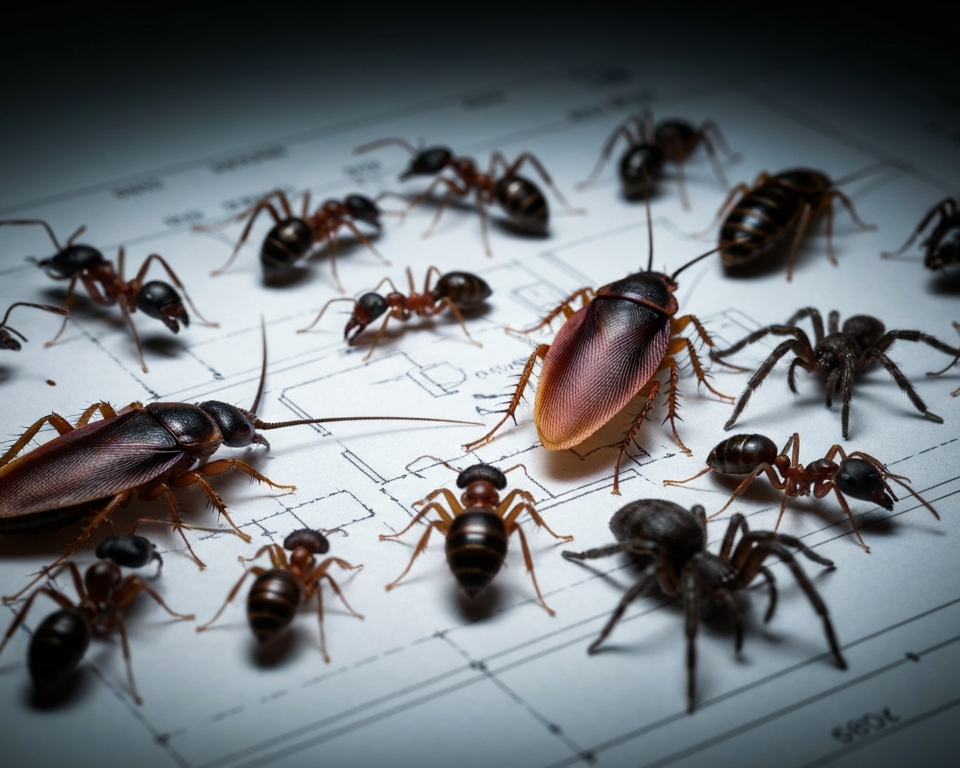
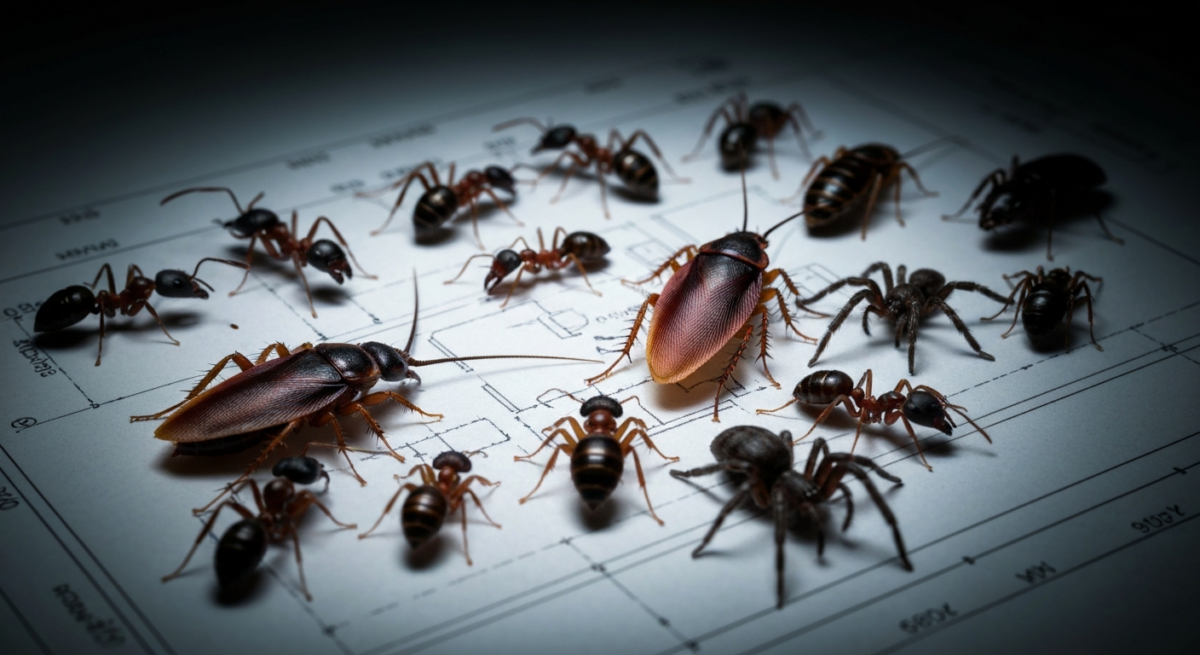
- Insects (Ants, Cockroaches): Trails of ants, visible roaches, egg casings, and musty odors.
- Termites: Mud tubes, discarded wings, wood damage, and frass (termite droppings).
Early identification allows for quicker elimination. For challenging infestations or specific pest types, professional exterminators can employ targeted treatments. Discovering a spider? Learn about common species in our guide to common house spiders.
Adapting to Seasonal Pest Issues
Pest activity often fluctuates with the seasons. Understanding these patterns helps in optimizing your home pest prevention efforts:
- Spring: Warmer weather brings out insects and rodents seeking food and shelter. Focus on sealing entry points and reducing outdoor attractants.
- Summer: Increased insect activity, particularly ants and mosquitoes. Maintain yard hygiene and address moisture issues.
- Fall: Pests like mice and certain insects attempt to find warm shelter indoors. Intensify efforts to seal your home’s exterior.
- Winter: While some pests become dormant, indoor pests may remain active. Monitor for signs of infestation and address any concerns promptly.
Frequently Asked Questions
What are the first signs of a pest problem in a home?
Common signs include pest droppings, gnaw marks on surfaces, unusual noises within walls or ceilings, visible pest activity (insects or rodents), and unpleasant odors.
How often should I perform home pest prevention checks?
It is advisable to conduct thorough checks at least seasonally, especially during transitions between major weather patterns (spring, fall). Regular visual inspections of common entry points and potential harborage areas should be done monthly.
Can I prevent pests without using harsh chemicals?
Yes, integrated pest management (IPM) strategies focus on prevention through sanitation, exclusion, and environmental modification. Chemical treatments are typically a last resort and are applied judiciously by professionals.
Take Action Today
Proactive home pest prevention is the most effective way to protect your property and family from the detrimental effects of pests. By implementing the strategies outlined above and staying vigilant, you can significantly reduce the risk of infestations.
Don’t wait for a pest problem to escalate. If you suspect an infestation or want to establish a preventative maintenance plan, contact the experts at Northpoint Pest Solutions. Our team is dedicated to providing safe, effective, and reliable pest control services for your home.
Call us today for a consultation!
About the Author
Alex Smith is a seasoned pest control specialist with over 15 years of experience in identifying, managing, and preventing a wide range of pest issues in residential and commercial properties. Mel is committed to providing homeowners with practical advice and effective solutions for a pest-free environment.