


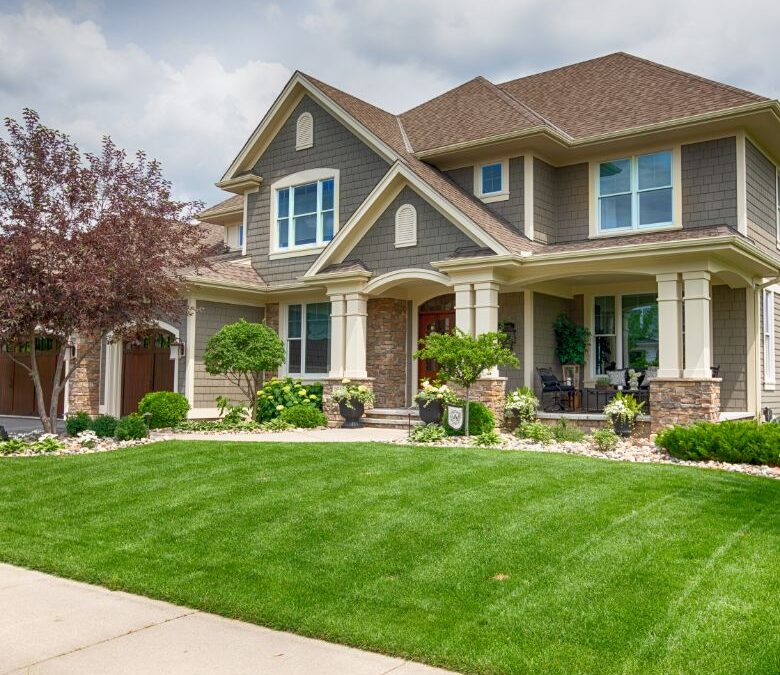
Living in San Francisco Bay Area, with its beautiful landscapes and thriving gardens, can sometimes come with an unwelcome challenge: subterranean rodent pests. Gophers, moles, and voles, while seemingly small and unassuming, can wreak havoc on your lawn, flowerbeds, and even the structural integrity of your property. The good news? You don’t have to resign yourself to a constant battle. Rodent exclusion pest control offers a long-term, humane, and effective solution to keep these underground invaders at bay.
Understanding Your Underground Adversary
Before diving into exclusion methods, it’s crucial to understand the differences between these common pests:
Gophers: These burrowing rodents are characterized by their prominent cheek pouches used for carrying food. They create extensive tunnel systems with noticeable mounds of soil as entrance/exit points. Gophers primarily feed on plant roots and tubers, causing significant damage to gardens and lawns.
Moles: Moles are insectivores, primarily feeding on earthworms, grubs, and other soil invertebrates. They create raised ridges in the lawn as they tunnel just beneath the surface. While they don’t directly eat plants, their tunneling can disrupt root systems and create unsightly pathways.
Voles: Often mistaken for mice, voles are small rodents with short tails. They create shallow runways on the surface of the ground, often hidden by vegetation or mulch. Voles are herbivores and can damage plant stems, roots, and bulbs.
Why Choose Exclusion Over Trapping or Poison?
While trapping and poisoning can offer immediate relief, they often address the symptoms rather than the root cause. New rodents can quickly move in to fill the vacated space. Exclusion, on the other hand, focuses on preventing these pests from accessing your property in the first place. This offers several advantages:
Long-Term Solution: By physically blocking entry points, you create a lasting barrier against future infestations.
Humane Approach: Exclusion methods don’t involve harming or killing the animals.
Environmentally Friendly: No harmful chemicals are introduced into your soil or ecosystem.
Cost-Effective in the Long Run: While the initial investment might be higher, you avoid the ongoing costs of traps, bait, and repeated pest control services.
Effective Rodent Exclusion Strategies:
Implementing a successful rodent exclusion plan involves identifying vulnerable areas and implementing preventative measures:
1. Physical Barriers:
Underground Fencing: This is one of the most effective methods, particularly for protecting gardens and valuable landscaping. Dig a trench at least 2-3 feet deep and line it with galvanized hardware cloth (1/4-inch mesh or smaller). For maximum effectiveness against pocket gophers, the mesh should be buried to a depth of 24 to 30 inches, as these persistent rodents can dig surprisingly deep. Extend the fencing a few inches above ground level to prevent rodents from climbing over. Ensure all seams are securely overlapped and fastened. The mesh should overlap by at least 6 inches at joints to prevent gaps that could allow entry.
Wire Mesh Protection for Trees and Shrubs: Wrap the base of young trees and shrubs with hardware cloth to prevent voles and gophers from gnawing on the bark and roots. Bury the mesh a few inches below the soil line and extend it several inches above. For trees in the Bay Area’s Mediterranean climate, extend the protection at least 18 to 24 inches above ground, as gophers may gnaw bark during dry seasons when other food sources become scarce. Use mesh with openings no larger than 1/4 inch to effectively exclude even young rodents.
Foundation Sealing: Inspect your foundation for any cracks, gaps, or openings where rodents might enter. Seal these with concrete, caulk, or steel wool. Pay close attention to areas around pipes and utility lines. Any opening larger than 1/4 inch should be sealed, as young mice and voles can squeeze through remarkably small spaces. For areas around utility penetrations, use a combination of copper wool or stainless steel mesh stuffed into the gap, followed by a layer of caulk or expanding foam rated for exterior use.
Raised Bed Protection: For Bay Area gardeners who use raised beds for vegetables and ornamentals, line the bottom and sides with hardware cloth before adding soil. This creates an impenetrable barrier that protects root systems from below while allowing proper drainage—essential in our region’s clay-heavy soils. The mesh should extend up the interior walls of the raised bed by at least 6 inches.
2. Habitat Modification:
Reduce Food Sources:
- Clean up fallen fruits, nuts, and seeds in your yard—particularly important in the Bay Area where fruit trees like citrus, avocado, and stone fruits are common
- Store pet food and birdseed in sealed containers
- Keep garbage cans tightly closed
- Remove vegetable garden debris promptly, as overripe produce attracts rodents
Minimize Cover:
- Keep your lawn mowed short
- Trim back dense vegetation and groundcover that provide shelter for voles—particularly ivy, pachysandra, and other thick ground covers popular in Bay Area landscaping
- Remove piles of wood, rocks, and debris that can offer hiding places for all three types of rodents
- Create a vegetation-free buffer zone of at least 12 inches around structures to eliminate protected pathways
Improve Drainage: Excess moisture can attract earthworms and grubs, a primary food source for moles. Ensure proper drainage in your yard to make it less appealing. Given the Bay Area’s seasonal rainfall patterns, with wet winters and dry summers, check that downspouts direct water away from foundations and that low-lying areas don’t create standing water.
Strategic Planting: Consider incorporating plants that rodents find unpalatable around the perimeter of more vulnerable areas. Plants with strong scents or tough, fibrous roots can serve as natural deterrents. However, remember that no plant is completely rodent-proof when food is scarce.
3. Monitoring and Maintenance:
Even the best exclusion systems require regular inspection. Walk your property monthly to check for new signs of rodent activity—fresh mounds, surface runways, or gnaw marks. Inspect physical barriers for any damage or gaps that may have developed. The Bay Area’s expansive clay soils can shift with seasonal moisture changes, potentially creating new entry points. After winter rains, check that hardware cloth installations remain properly positioned and haven’t been compromised by soil movement.
4. Professional Assistance:
Pest Control Experts: Experienced pest control professionals specializing in rodent exclusion can assess your property, identify entry points, and implement tailored exclusion strategies. They have the knowledge and tools to handle complex infestations and ensure long-lasting results. Look for professionals familiar with Bay Area soil conditions and local rodent species, as tactics that work in other regions may need adaptation for our unique Mediterranean climate and terrain.
Taking Action in The Bay Area
Protecting your Bay Area property from gophers, moles, and voles requires a proactive approach. By understanding their habits and implementing effective exclusion techniques, you can create a less inviting environment and enjoy your beautiful surroundings without the constant threat of underground damage. While DIY methods can be successful for minor issues, don’t hesitate to consult with professionals for comprehensive protection. The investment in proper exclusion will pay dividends in preserved landscaping, protected structures, and peace of mind for years to come.
This article was updated on 10/16/2025