

Table of Contents
- Introduction
- The Crucial Importance of Professional Pest Control
- Identifying Common Household and Commercial Pests
- Understanding Integrated Pest Management (IPM)
- Effective Pest Prevention Strategies
- Choosing the Right Pest Control Service
- Frequently Asked Questions
Introduction
Safeguarding your property from unwanted intruders is paramount, and effective pest control solutions form the cornerstone of maintaining a healthy and safe environment. Pests, whether they are insects, rodents, or other wildlife, can cause significant damage to structures, contaminate food supplies, and pose serious health risks to occupants. This comprehensive guide explores the multifaceted world of pest management, offering insights and strategies to protect your home or business.
Ignoring pest infestations can lead to escalating problems, requiring more extensive and costly interventions later. Proactive and informed approaches are essential for long-term success. Understanding the common pests, their behaviors, and the most effective methods to deter them is crucial for homeowners and business owners alike.
The Crucial Importance of Professional Pest Control
While DIY methods can offer temporary relief, professional pest control services provide a level of expertise and effectiveness that is difficult to match. Experts possess the knowledge to accurately identify pest types, understand their life cycles, and implement targeted treatment plans.
A professional approach ensures that treatments are applied safely and effectively, minimizing risks to human health and the environment. Companies like Northpoint Pest Solutions offer specialized knowledge in effective pest control solutions management, leveraging advanced techniques and products to deliver superior results.
Why Professional Intervention is Key
- Accurate Identification: Professionals can correctly identify the pest species, which is critical for choosing the right treatment.
- Targeted Treatment: They employ methods tailored to the specific pest and infestation level.
- Safety: Proper handling of pesticides and application methods protect residents and pets.
- Prevention: Experts offer advice and implement measures to prevent future infestations.
Identifying Common Household and Commercial Pests
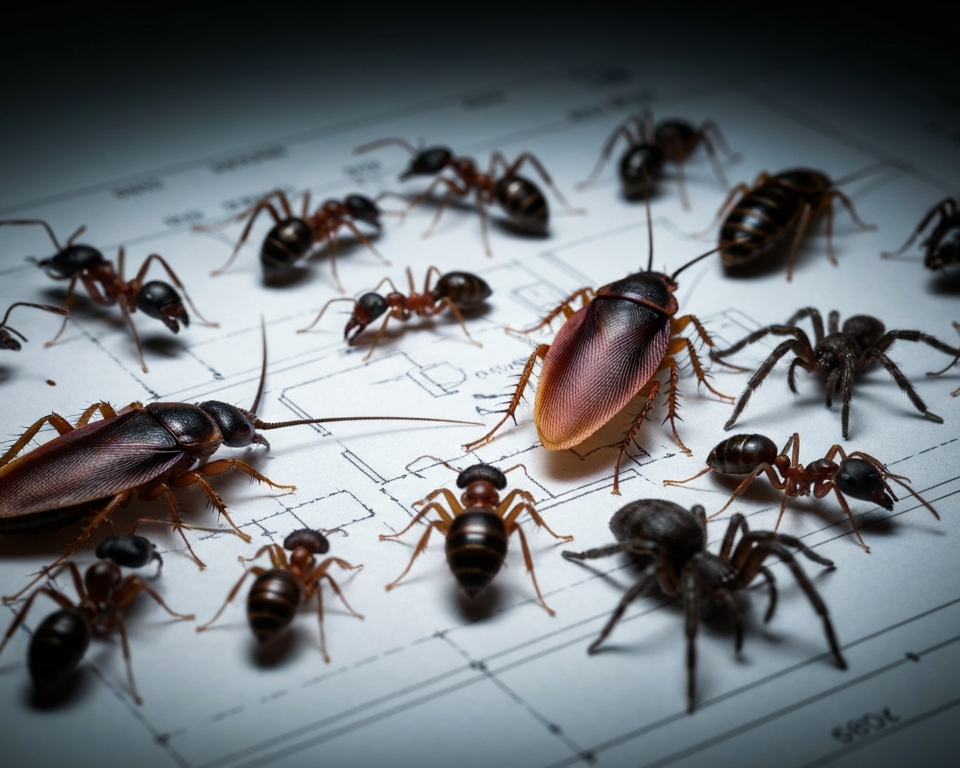
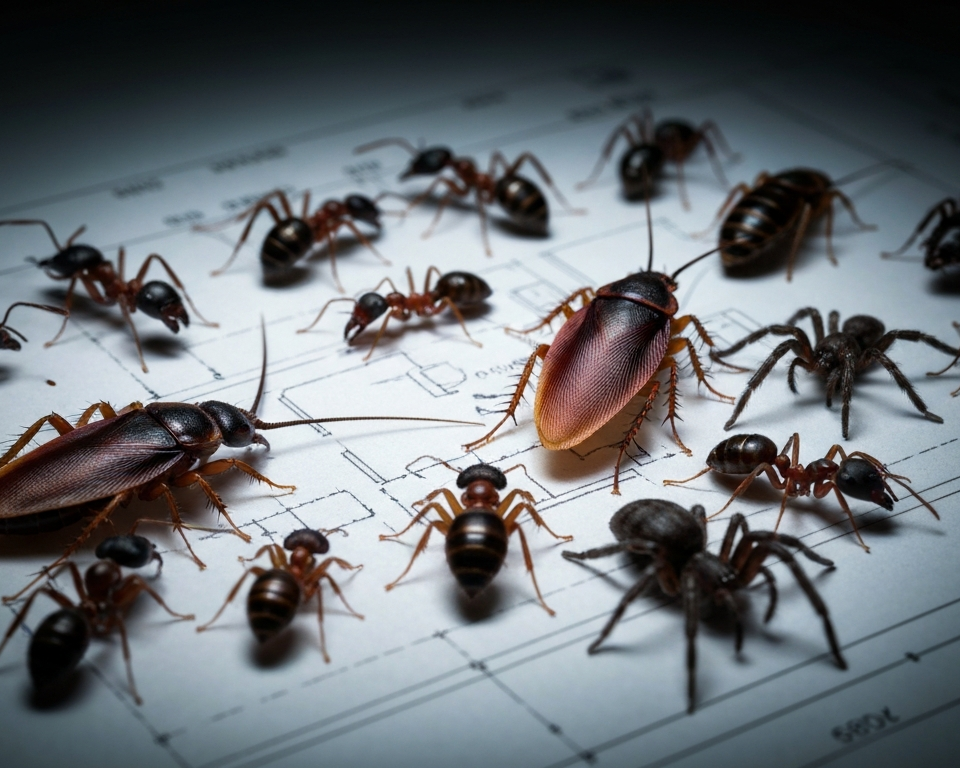
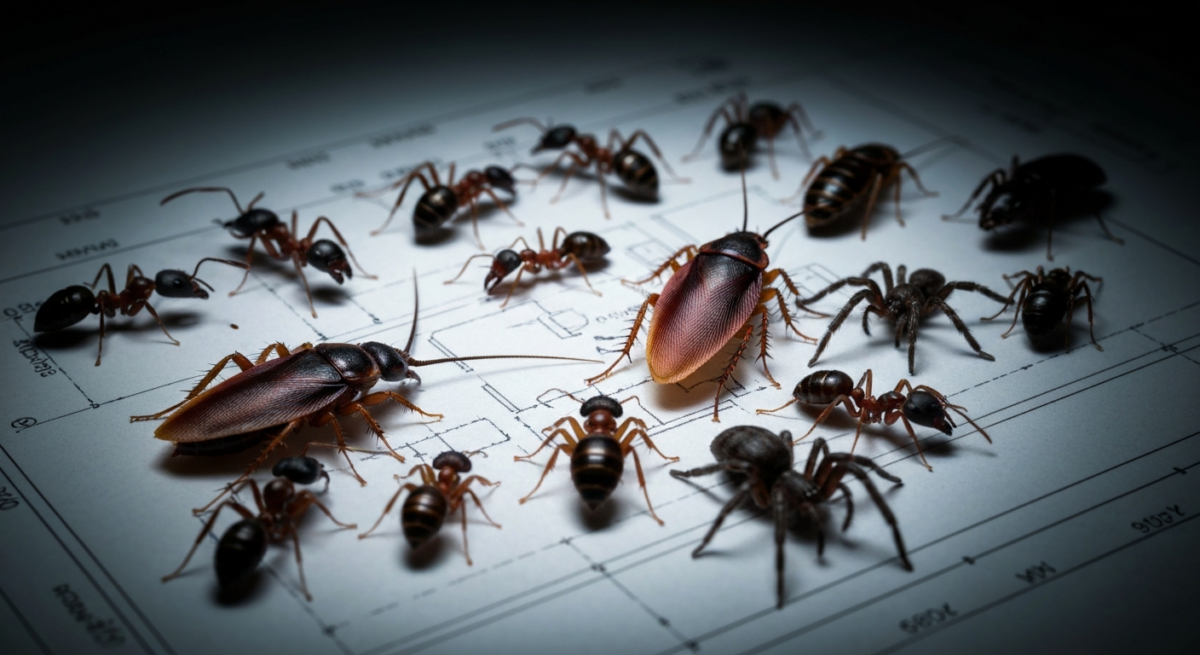
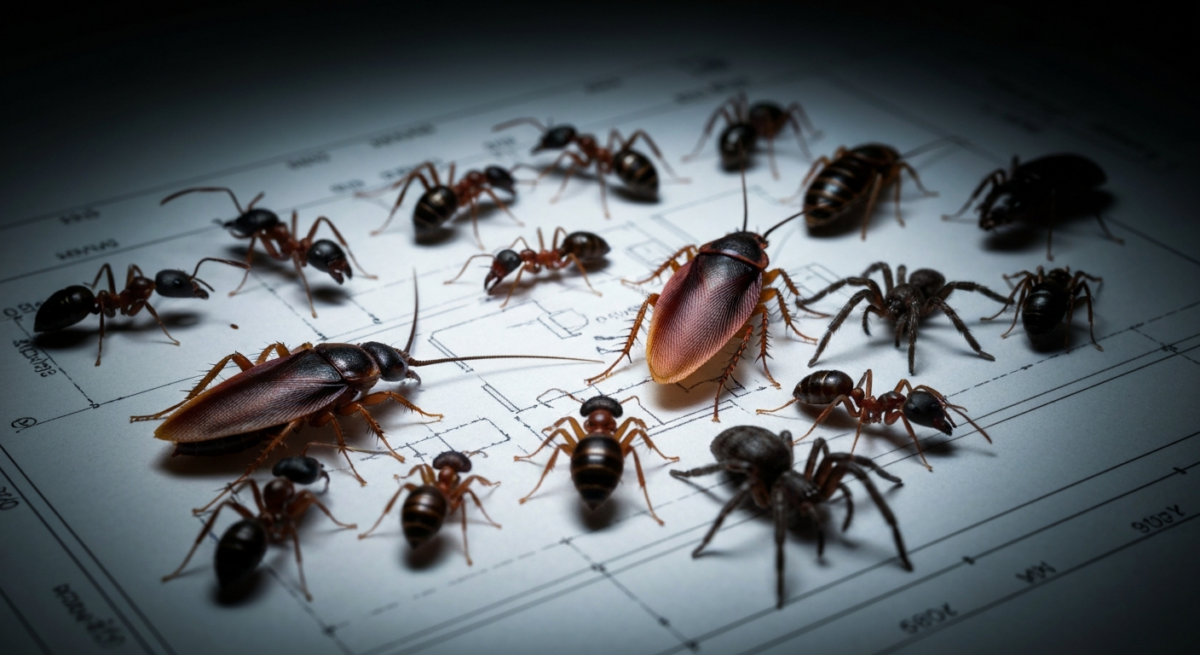
Recognizing the signs of infestation is the first step toward resolution. Common pests include ants, cockroaches, rodents, termites, mosquitoes, and spiders. Each type presents unique challenges and requires specific management strategies.
For instance, termites can cause structural damage that is often hidden until it is severe. Rodents can spread diseases and contaminate food. Understanding the behavior and indicators of these pests is vital for timely intervention. For more detailed information on pest identification and behavior, resources like the Wikipedia page on pest control offer extensive insights.
Understanding Integrated Pest Management (IPM)
Integrated Pest Management (IPM) is a sustainable and comprehensive approach that combines biological, cultural, physical, and chemical tools to manage pests effectively. The goal is to minimize risks to people and the environment by using pesticides only when necessary and in the least harmful manner.
IPM strategies focus on understanding pest biology and ecology to develop long-term solutions. This approach often involves monitoring pest populations, setting action thresholds, and implementing a combination of control methods. For businesses, implementing robust IPM plans is often a regulatory requirement, ensuring compliance and public safety.
Key IPM Components
- Inspection and Monitoring: Regular checks to detect pests and assess infestation levels.
- Identification: Correctly identifying the pest to determine the most effective control strategy.
- Prevention: Modifying the environment to make it less attractive to pests.
- Control Methods: Employing a mix of physical, biological, and chemical controls.
Effective Pest Prevention Strategies
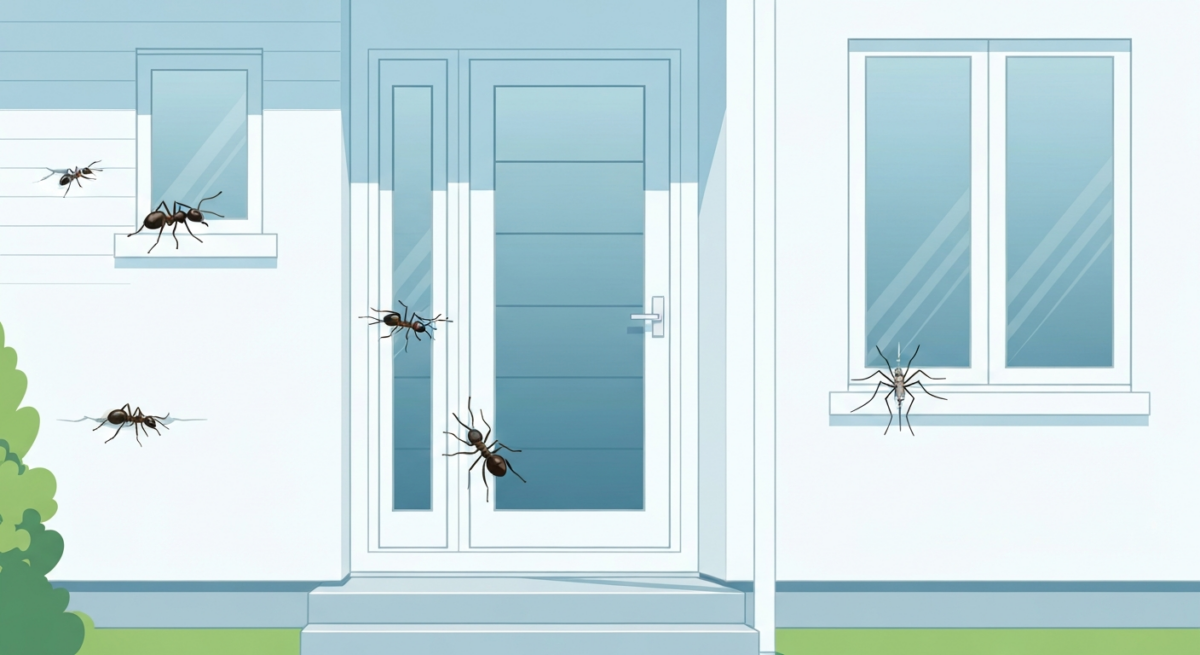
Prevention is always more effective than eradication. Implementing simple yet consistent home pest control solutions prevention measures can significantly reduce the likelihood of infestations. These strategies focus on eliminating food sources, water, and entry points.
Key prevention tips include maintaining cleanliness, sealing cracks and crevices, properly storing food, managing waste effectively, and addressing moisture issues. Regular property maintenance is a vital aspect of long-term pest deterrence.
- Sanitation: Keep kitchens clean, promptly clean spills, and store food in airtight containers.
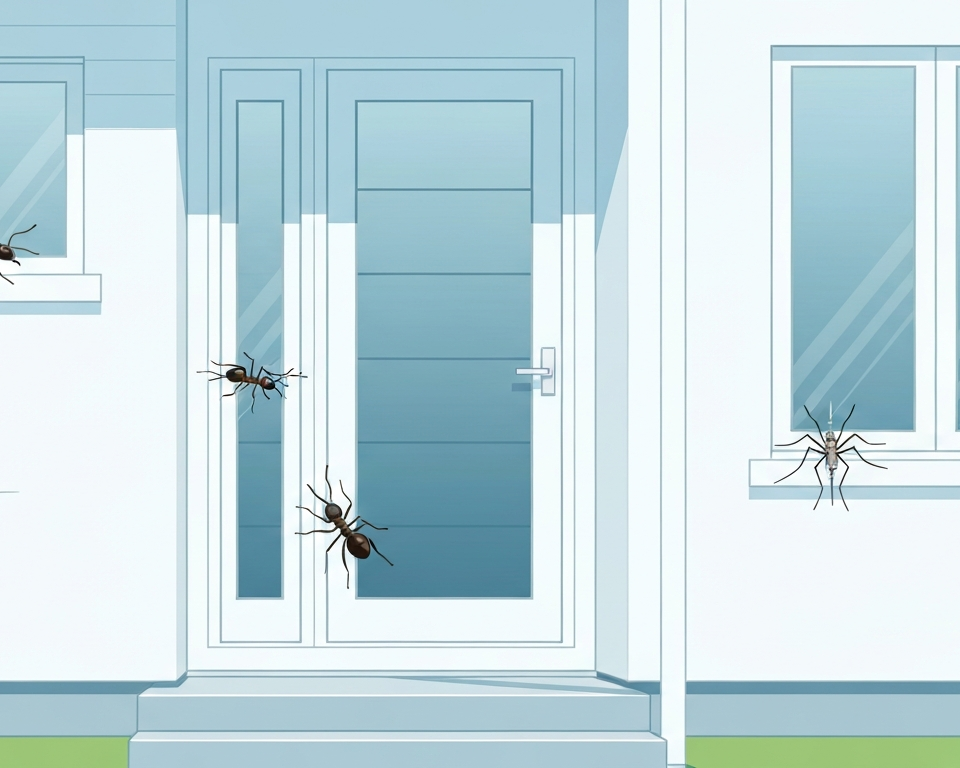
- Exclusion: Seal entry points such as cracks in walls, gaps around pipes, and damaged window screens.
- Moisture Control: Repair leaky pipes and ensure proper ventilation in damp areas like bathrooms and basements.
- Yard Maintenance: Keep landscaping tidy, trim trees and shrubs away from the house, and manage standing water.
Choosing the Right Pest Control Service
Selecting the right provider for your commercial pest control needs or residential services is critical. Look for licensed and insured companies with a proven track record and positive customer reviews. Understanding their treatment methodologies and commitment to safety is also important.
A reputable pest control service will offer customized plans tailored to your specific needs, emphasizing both effective eradication and preventative measures. Consider providers that offer guarantees and ongoing support to ensure lasting peace of mind. Exploring options from established providers can help you make an informed decision.
Frequently Asked Questions
What are the signs of a termite infestation?
Signs include discarded wings, mud tubes on foundations, frass (termite droppings) that resemble sawdust, and hollow-sounding wood. If you suspect termites, immediate professional inspection is recommended.
How often should I schedule professional pest control?
The frequency depends on your location, the type of property, and the prevalence of pests. Many homeowners opt for quarterly or bi-annual treatments, while businesses may require more frequent services based on industry regulations and risk factors.
Are pest control treatments safe for pets and children?
Reputable pest control companies use treatments that are approved for residential use and follow strict safety protocols. It’s important to inform your provider about pets and children so they can take appropriate precautions and suggest the safest options available.
Author Bio
Mel Smith is a seasoned pest management specialist with over 15 years of experience in developing and implementing effective pest control solutions for residential and commercial properties. His expertise lies in integrated pest management strategies and ensuring client satisfaction through reliable and safe pest eradication techniques.
Call to Action
Ready to protect your property from pests? Contact Northpoint Pest Solutions today for a comprehensive inspection and customized pest management plan. Our expert team is dedicated to providing safe, effective, and long-lasting solutions tailored to your specific needs. Visit Northpoint Pest Solutions to learn more and schedule your service!