



Once Marin County nights turn cold in November, roof rats and Norway rats stop spending time outdoors and start looking for warm places to nest. The result is gnawed wires, damaged hoses, and repair bills that can catch you completely off guard. The short answer: rats are in your car because your property gives them shelter, food, and easy access. Sealing entry points and controlling the rodent population on your property is the only lasting fix.
Why Do Rats Chew Car Wires in the First Place?
Rats do not chew wires to be destructive. Their teeth never stop growing, so they must gnaw constantly to file them down. Wires, hoses, and plastic covers in an engine bay provide convenient surfaces to gnaw.
In Marin County, both Norway rats and roof rats are active through the winter. Cold weather does not slow them down. It actually drives them closer to structures and into sheltered spaces like garages and parked vehicles. October and November are the months when rodents move indoors most aggressively.
What Are the Signs Rats Are Getting Into Your Engine Bay?
The warning signs are specific enough that you can spot them before a mechanic does. Norway rat droppings are roughly three-quarters of an inch long and capsule-shaped. In some cases, the damage triggers multiple warning lights at once.
If your car is behaving strangely and you can’t find an obvious mechanical cause, a rodent inspection under the hood may be worth doing before you book a full diagnostic.
Why Are Repair Costs High and Will Insurance Cover It?
Damage to hoses, sensors, and plastic housing adds to the bill, and vehicle wiring repairs can be costly depending on which systems are affected.
Document all damage with photos as soon as you find it, and check your policy details before assuming the repair will be covered.
What Can Homeowners Do Right Now?
A few immediate steps reduce the appeal of your garage or driveway. Rats with easy access to high-calorie food sources grow faster and are more likely to nest nearby, so eliminating food removes a major attractant.
Trim trees and shrubs near the driveway. Roof rats are agile climbers that use overhead utility lines, fence tops, and tree canopies to move across a property. Trimming back branches that overhang your garage roof can cut off one of their access routes.
Rodent repellents are widely marketed for this problem. Without sealing entry points and reducing the rodent population, repellents alone will not stop the problem from recurring.
Why Repellents Alone Fail and What Actually Works
Rats that are well established on a property are motivated by survival. They have food, warmth, and shelter nearby, and a mild deterrent is not enough to overcome those instincts. Traps can catch individuals, but they don’t address the root cause: the entry points that let rats onto your property and into your home in the first place.
Effective rodent control requires a two-part approach. First, trap the current population. Second, seal the entry points that give rats access to your garage, crawl space, and home. Mice can squeeze through openings as small as a dime. Rats can fit through gaps as small as a quarter.
These access points are easy to overlook without a trained inspection. Professional exclusion addresses the problem at the source instead of waiting for rodents to get in and then reacting.
How Professional Rodent Exclusion Protects Your Property This Winter
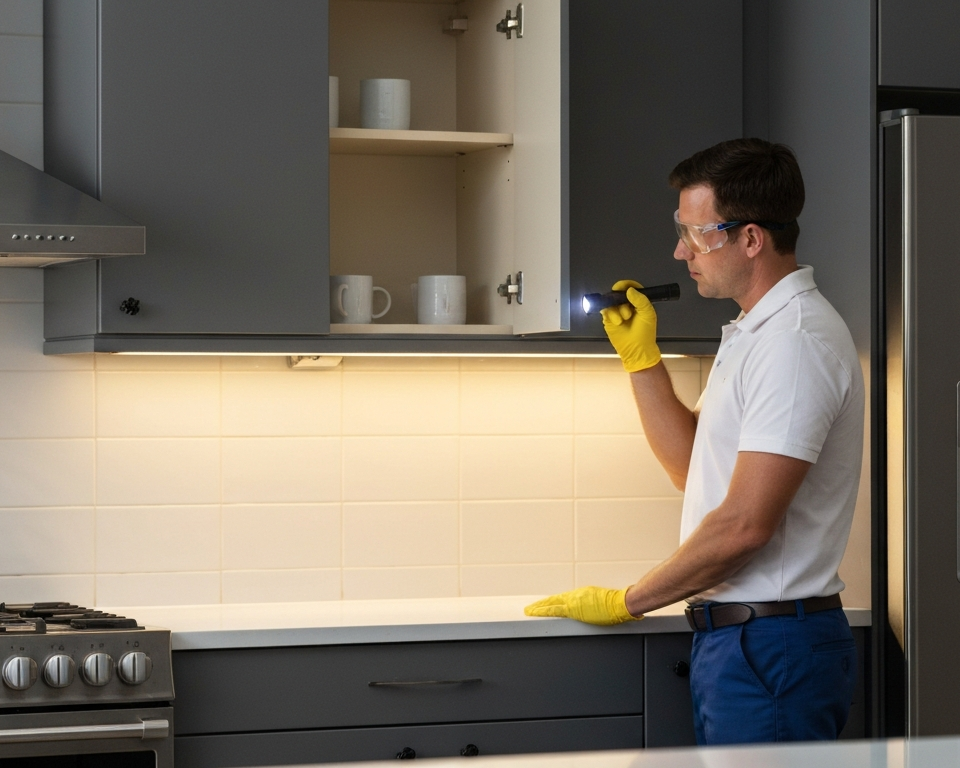
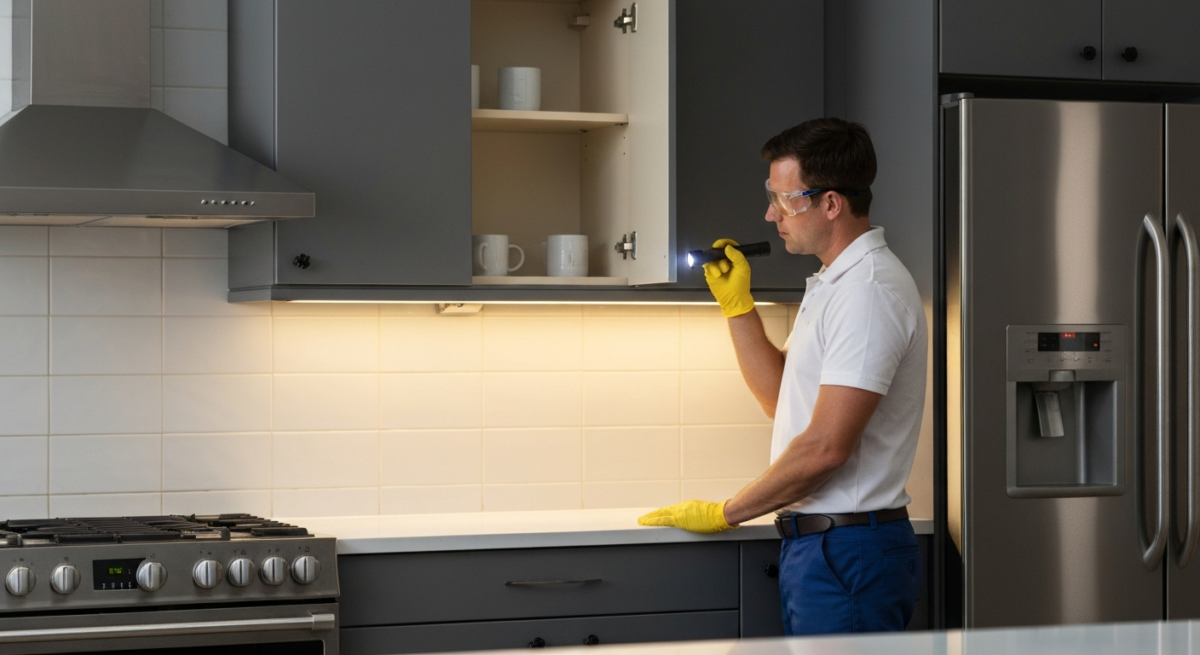
Professional rodent exclusion in Marin County involves a thorough inspection using tools like imaging cameras and borescopes to find hidden gaps inside walls and tight spaces. Technicians seal those gaps with gnaw-resistant materials, including industrial-grade steel wool, copper mesh, and reinforced sealants that hold up through multiple seasons.
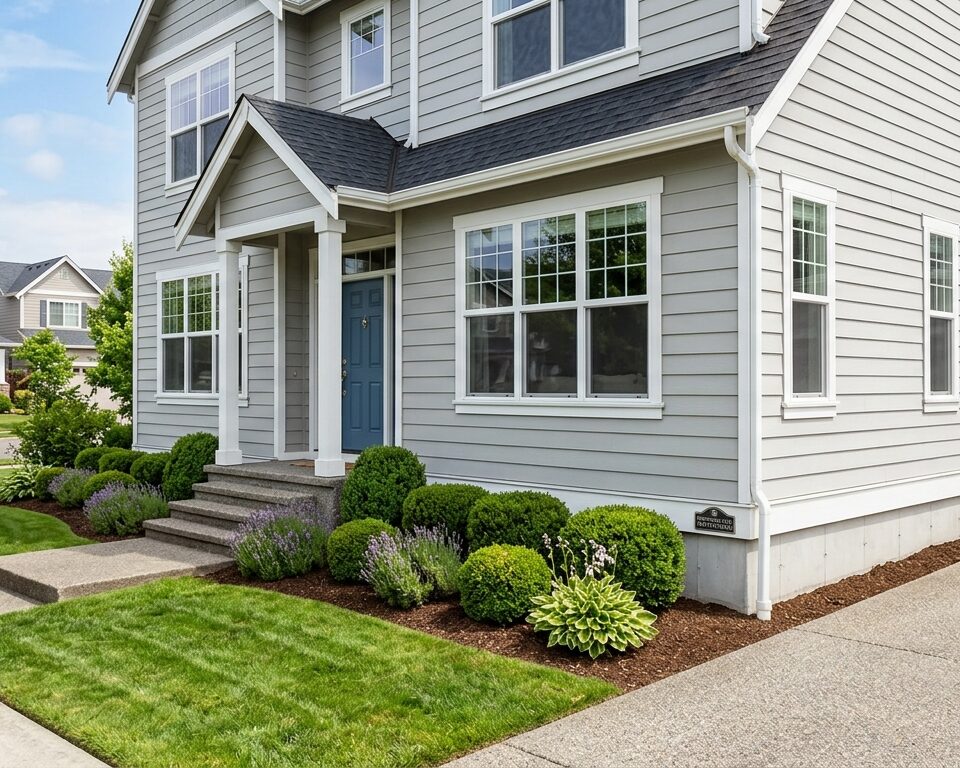
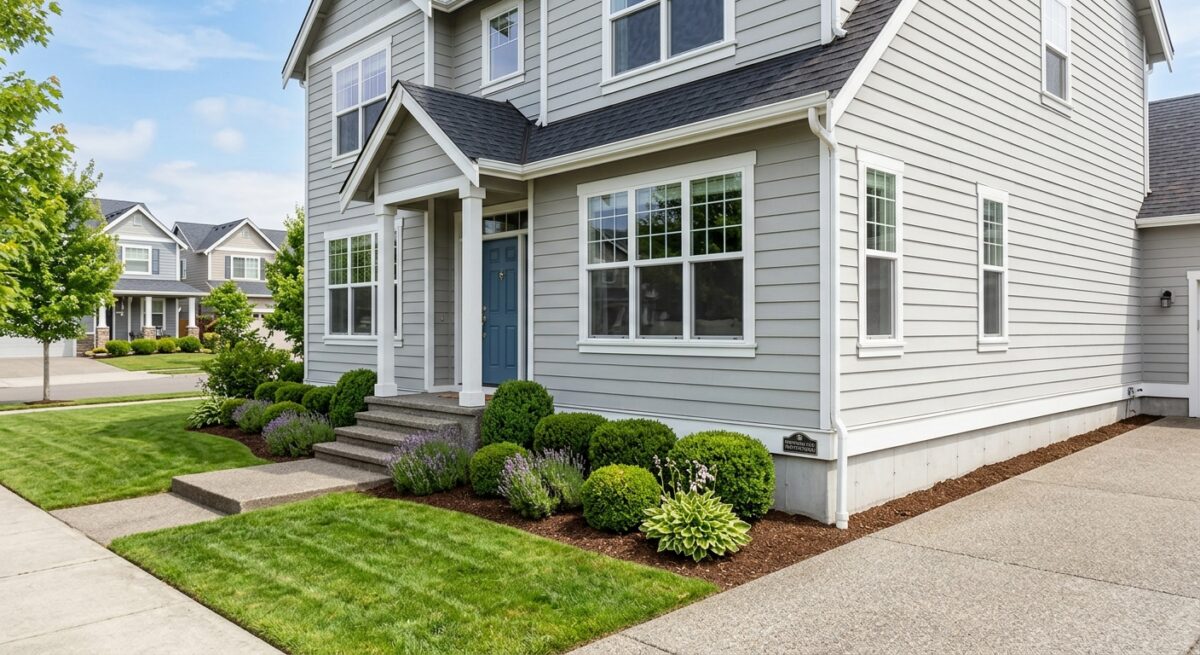
Homes in Marin County often have older foundations, wooden siding, and hillside locations that create specific entry points. Regional climate and local rodent species also affect exclusion strategies, which is why a one-size-fits-all approach rarely works here.
A professional familiar with Marin County construction and local rat behavior can spot vulnerabilities a general inspection might miss.
Professional exclusion before winter eliminates the need for ongoing poison use, reduces the frequency of follow-up treatments, and keeps your home protected throughout winter.
Frequently asked questions
Do rats really stay active in Marin County during November and December?
Yes. Rats do not hibernate. Cold weather drives them indoors and closer to structures. October and November are exactly when rodent activity spikes as they search for warmth, food, and shelter. Your garage, engine bay, and home are all targets.
How do I know if rats are living in my garage and not just passing through?
Look for nesting material in corners or on shelves, droppings along walls or near food storage, gnaw marks on wood or plastic, and grease smears along baseboards where rats repeatedly travel the same path. Consistent signs in one area point to an active nesting site, not a single passing rat.
Can rats in my garage mean they are also inside my house?
Very likely. Rats that are nesting in a garage are already close to the home’s foundation, crawl space vents, and utility penetrations. Rats can fit through a quarter-sized gap, and the same entry points that let them into the garage often connect to the house. A full property inspection is the best way to find out.
Rats chewing car wires signal a larger rodent problem on your property. North Point Pest Solutions is licensed, bonded, and insured, and serves homeowners throughout Marin County with pre-scheduled interior and exterior services over 12 months. If additional visits are needed, they’re included at no charge under the warranty to keep your home pest-free.
Call 1(844)677-7462 or book an appointment to schedule your rodent exclusion inspection.