



April brings beautiful blooms and ripening fruit to Marin County. But it also brings a surge in roof rat activity. Here is how to protect your harvest and your home’s attic.
It is mid-April here in the North Bay. The spring weather is spectacular, the soil has warmed up, and our backyard gardens are bursting with life. For many homeowners in Marin, Sonoma, and Solano counties, this is the time of year when our backyard citrus trees—lemons, limes, and oranges—are heavy with fruit.
You walk outside on a sunny Saturday morning, planning to pick a few fresh lemons for the kitchen. But as you reach into the branches, you notice something infuriating: several of the lemons are still hanging on the branch, but they have been completely hollowed out, leaving nothing but an empty rind.
You don’t have a bird problem or a bug problem. You have a Roof Rat problem. And right now, their populations are experiencing a massive spring boom.
Meet the Acrobats: The Roof Rat
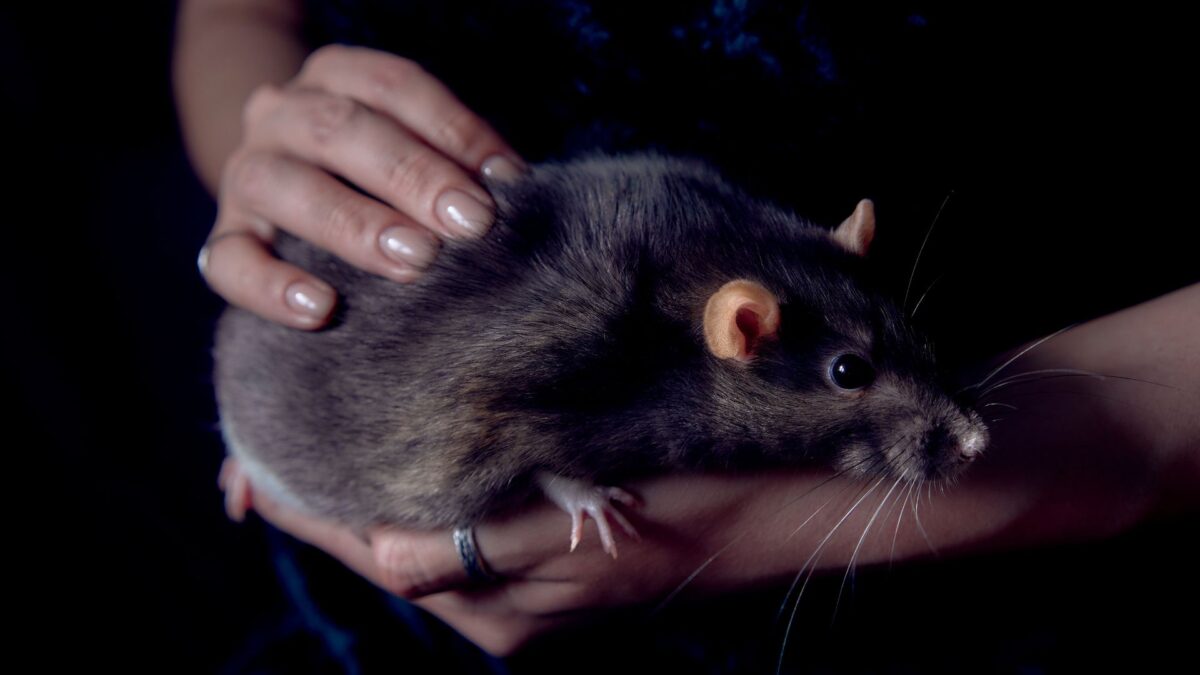
Also known as “citrus rats” or “black rats,” Roof Rats (Rattus rattus) are the most common rodent issue we face in Northern California. Unlike the larger, heavier Norway rats that prefer to burrow in the ground or live in sewers, Roof Rats are agile, lightweight climbers.
They are perfectly adapted to the North Bay’s lush, established neighborhoods. They live their lives off the ground, using overhead utility lines, fence tops, and interconnected tree canopies as their personal highway system.
Why the April Surge?
During the winter, many of these rats sought shelter from the cold rains by squeezing into warm attics and wall voids. But as April brings warmer temperatures and a sudden abundance of outdoor food, their behavior shifts.
Spring is their peak breeding season. A single female roof rat can have litters of up to eight pups every few months. To support this rapid population explosion, the adult rats become voracious foragers. Your garden provides the perfect buffet: ripening citrus, new vegetable shoots, pet food left on the patio, and even the snails climbing your fence.
Signs You Have a “Rat Highway”
Aside from hollowed-out fruit, look for these telltale signs that roof rats are commuting through your yard:
Greasy Rub Marks: Rats have poor eyesight and navigate by memorization, running the exact same routes every night. The oils and dirt from their fur leave dark, greasy smudges along the tops of wooden fences or along the edges of your roofline.
Chewed Bark: Roof rats need water, and they will often strip the bark off small tree branches to get to the moisture inside.
Droppings: You will find dark, spindle-shaped droppings (about a half-inch long with pointed ends) around your patio furniture, near the barbecue grill, or at the base of your fruit trees.
Your Spring Defense Plan
The danger of roof rats in your garden is that they rarely stay in the garden. Once they are comfortable foraging in your yard, it is only a matter of time before they find a gap in your eaves and move into your attic to nest.
To break the cycle this spring, you need to alter their environment:
Harvest Promptly: Do not leave ripe fruit on the trees, and meticulously clean up any fruit that falls to the ground. If you have a vegetable garden, harvest your crops the moment they are ready.
Trim the Canopy: Roof rats can jump an incredible distance. You must trim all tree branches and thick shrubs so they are at least 3 to 4 feet away from the exterior of your roof. Cut their access bridges.
Manage the Ivy: Thick, climbing vines like English Ivy or Bougainvillea are the ultimate Roof Rat hotels. They provide perfect camouflage from owls and hawks. Keep vines thinned out and aggressively trimmed away from your roof vents.
Secure the Buffet: Never leave dog or cat food outside overnight. Ensure your compost bins have tight-fitting, secure lids.
Stop the Invasion Before It Starts
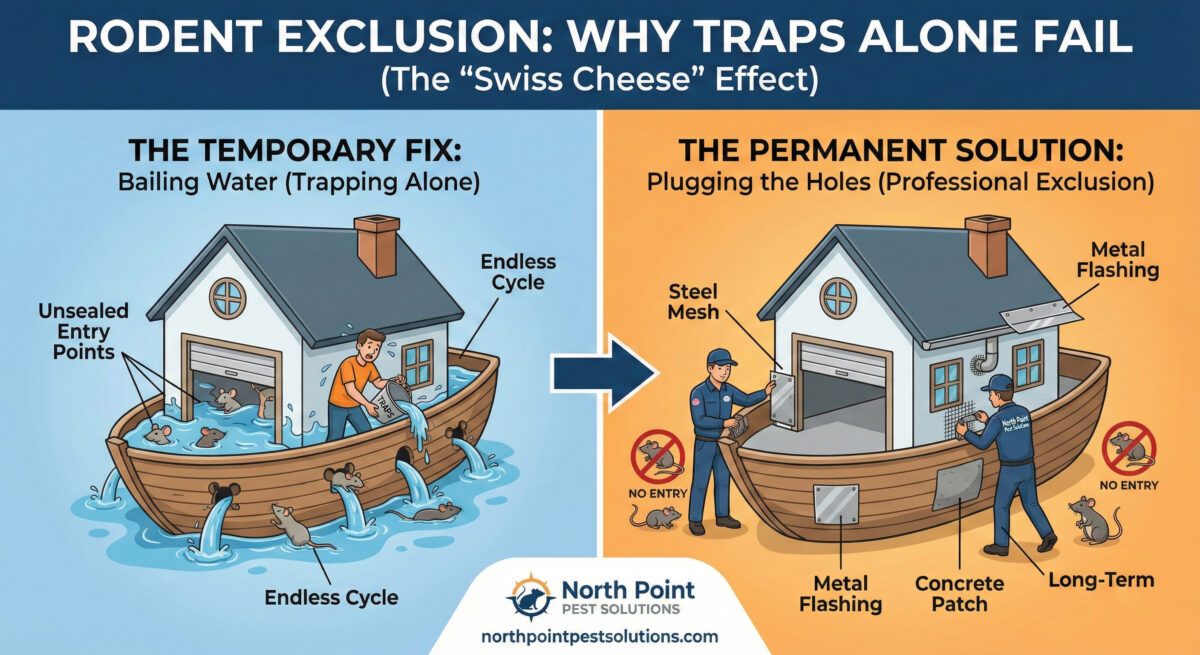
If the roof rats are already feasting on your lemons, your home is at immediate risk for an attic invasion. Once inside, they will chew through electrical wires, destroy insulation, and create severe biohazards.
Don’t share your spring harvest with rodents. Contact North Point Pest Solutions today. Our licensed professionals specialize in comprehensive rodent exclusion and trapping throughout the North Bay, ensuring your home and garden remain protected all season long.