

Table of Contents
- Introduction
- Key Principles of Effective Pest Management
- Residential Pest Prevention Strategies
- Commercial Pest Management Strategies
- Eco-Friendly Pest Removal Approaches
- Frequently Asked Questions
Introduction
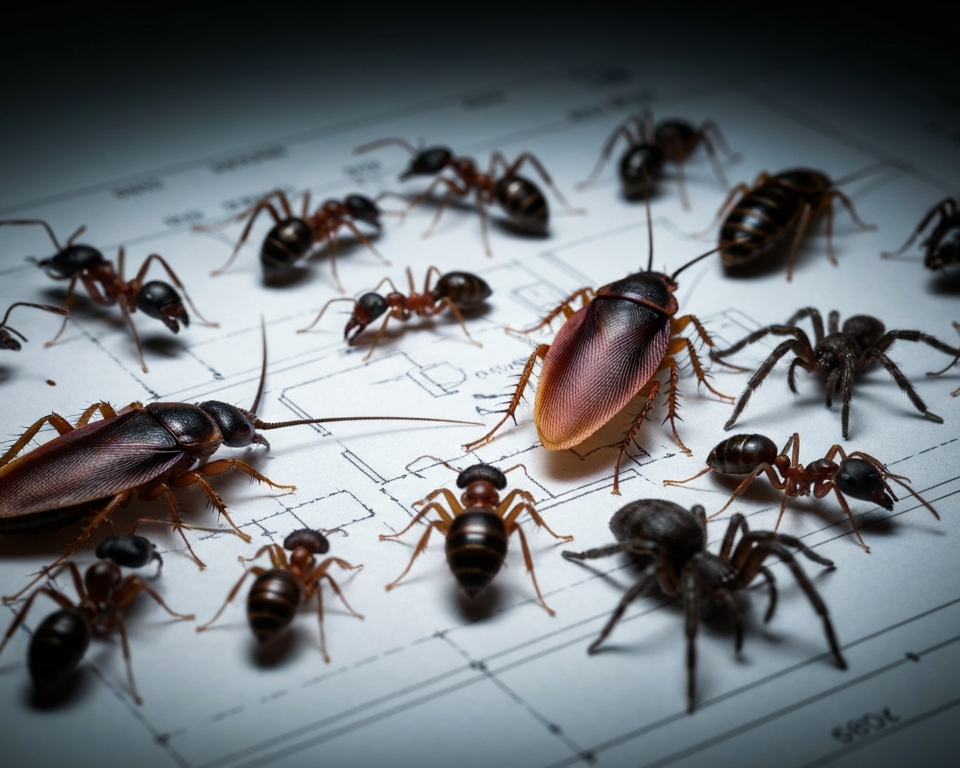
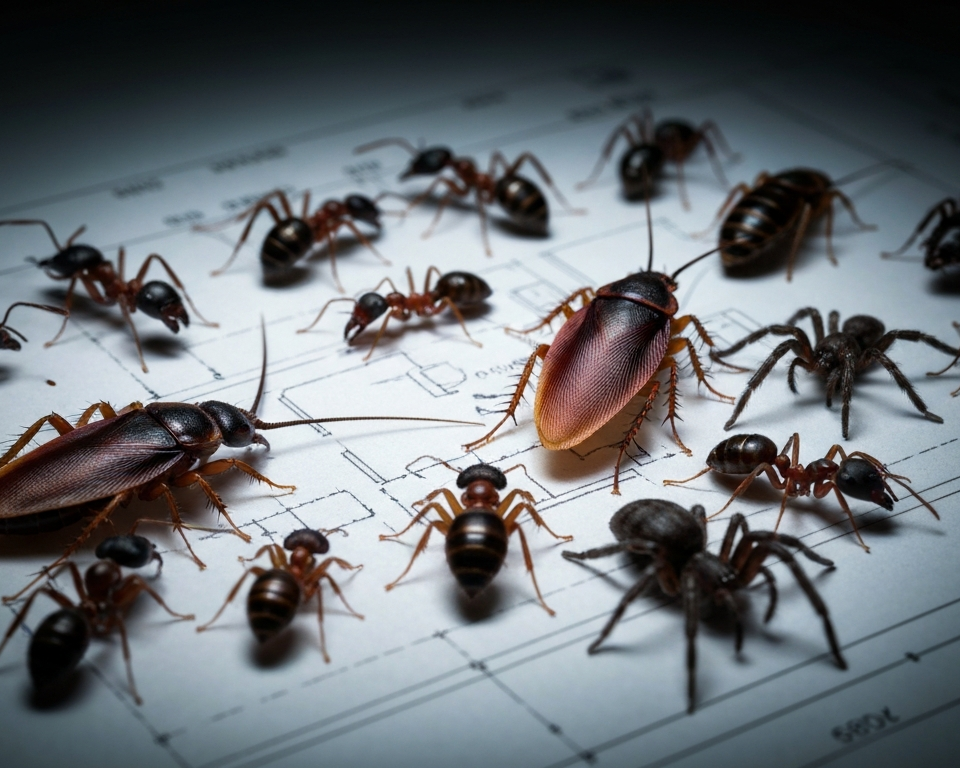
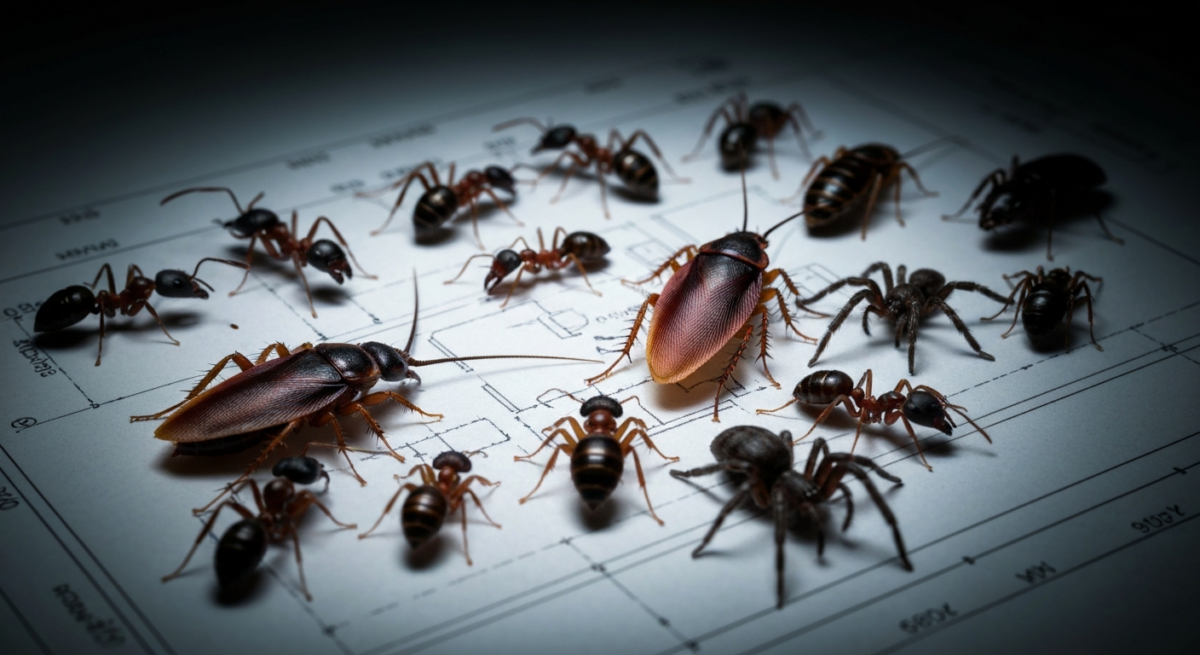
Maintaining a pest-free environment is crucial for health, safety, and property integrity. Implementing effective pest management practices safeguards against the numerous issues that infestations can cause, from structural damage to the spread of diseases. This comprehensive guide delves into the essential strategies and proven techniques required to successfully manage and prevent pest problems in both residential and commercial settings.
Understanding the lifecycle and behavior of common pests is the first step toward developing a robust strategy. Whether you are dealing with ants marching through your kitchen or rodents compromising your business operations, a proactive and informed approach is always superior to reactive measures. For professional assistance and tailored solutions, consider reaching out to experts like Northpoint Pest Solutions.
Key Principles of Effective Pest Management
Successful pest control hinges on several core principles that form the foundation of any integrated pest management (IPM) program. These principles ensure that solutions are not only effective but also sustainable and safe.
- Identification: Accurately identify the pest species to understand its behavior and vulnerabilities.
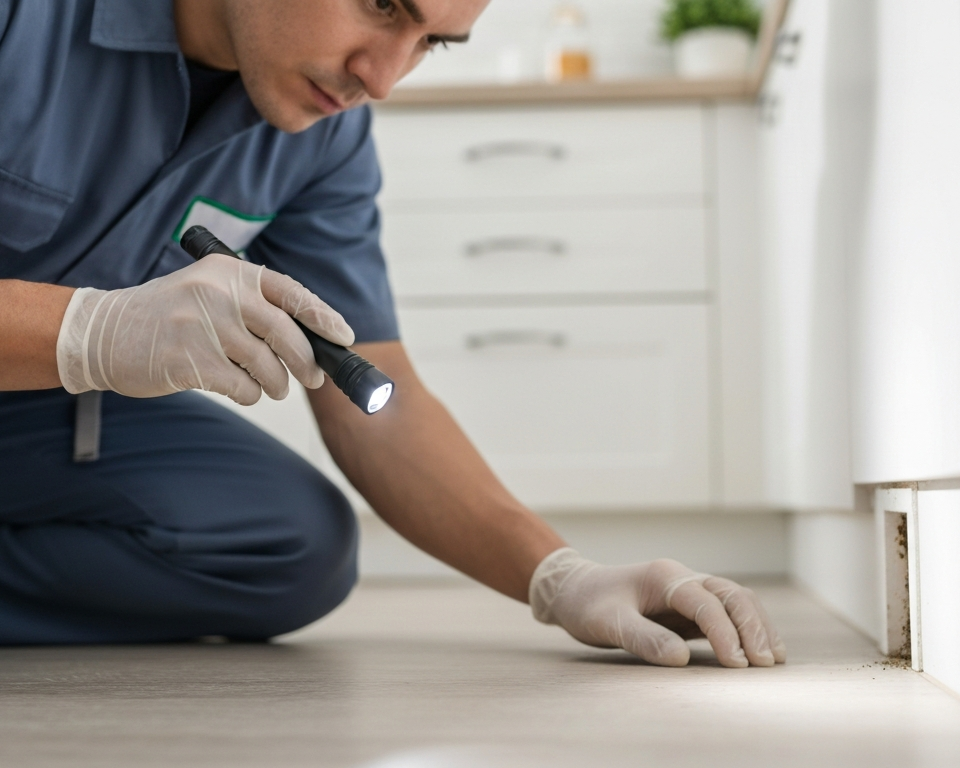
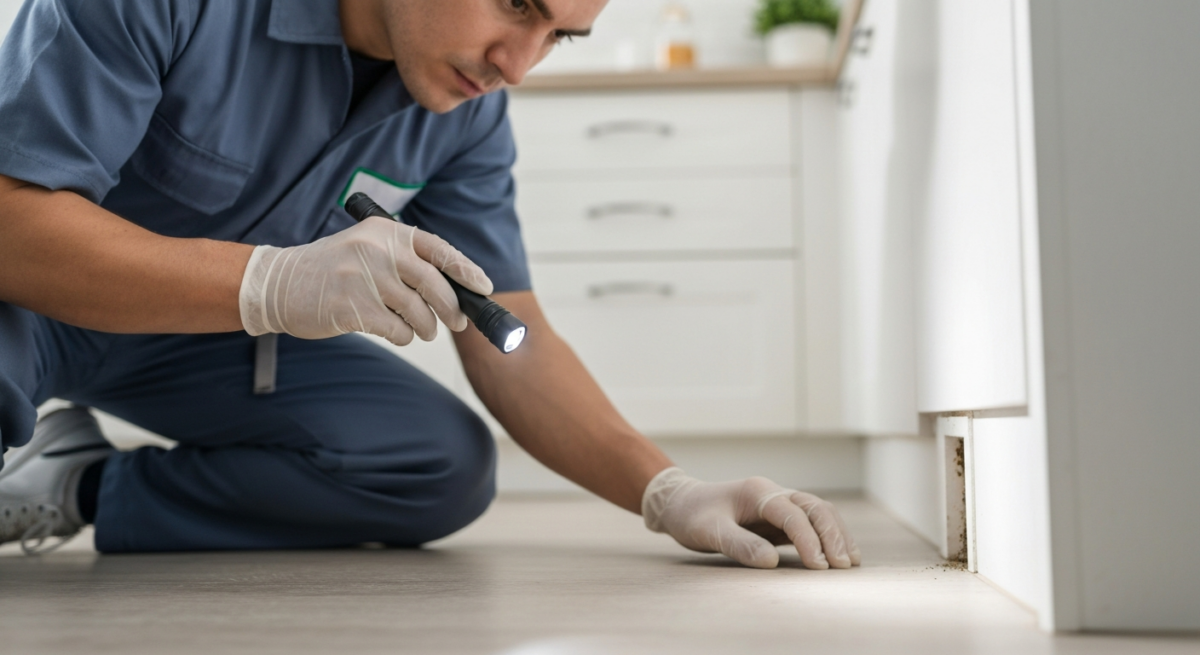
- Monitoring: Regularly inspect properties for signs of pest activity. Early detection is key.
- Prevention: Implement measures to deter pests from entering or establishing themselves.
- Control: Employ appropriate methods to eliminate existing infestations.
- Evaluation: Assess the effectiveness of implemented strategies and adjust as needed.
Adhering to these principles ensures a systematic and efficient approach to maintaining a pest-free environment. For more on the science behind pest control, resources like the Pest Control Wikipedia page offer valuable insights.
Residential Pest Prevention Strategies
Protecting your home requires consistent effort and smart strategies. Effective pest management at home focuses on exclusion and sanitation.
Key Areas for Homeowners
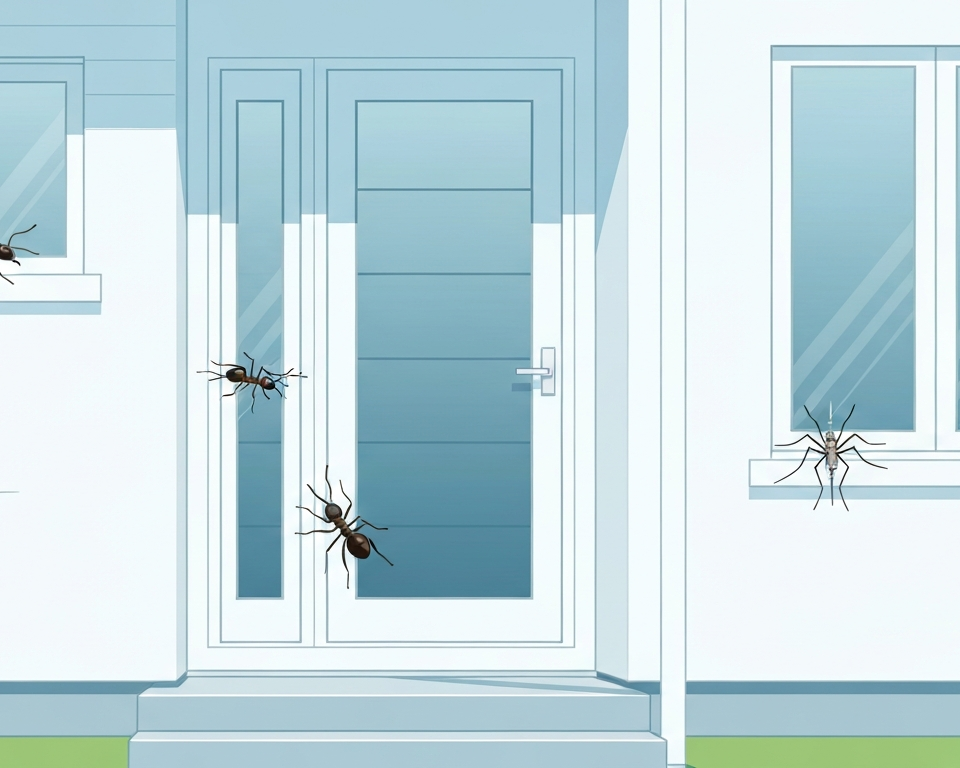
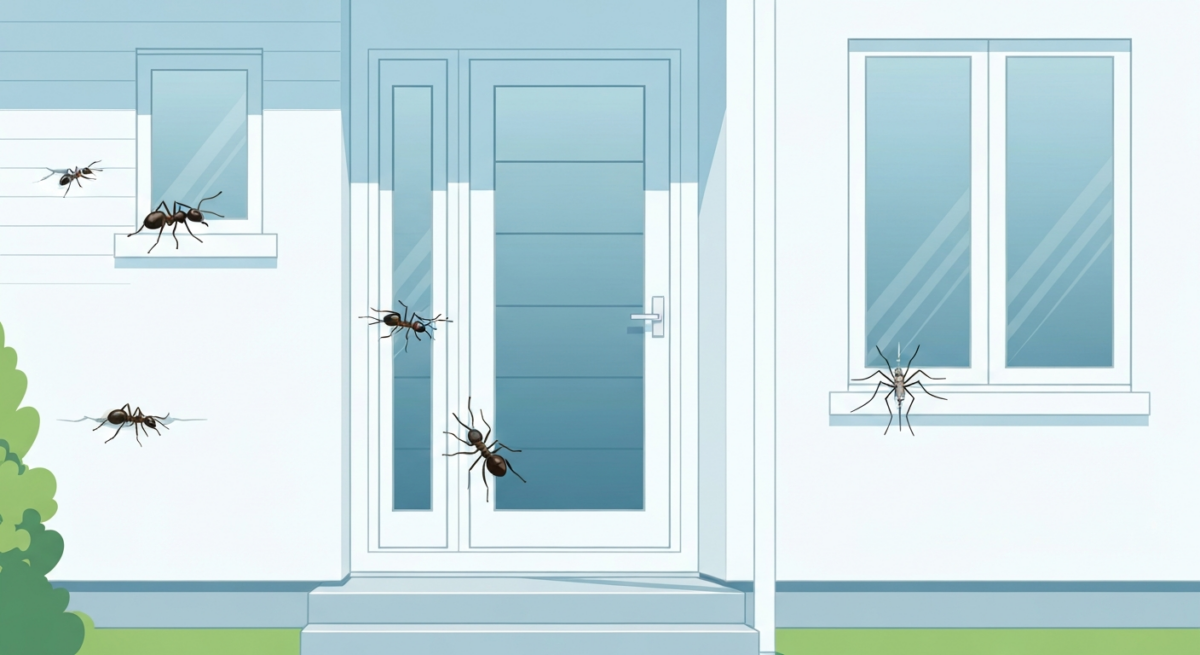
- Sealing Entry Points: Inspect and seal cracks, gaps, and holes in walls, foundations, and around utility lines. Pay attention to window screens and door sweeps.
- Proper Food Storage: Store food in airtight containers. Clean up spills and crumbs promptly to avoid attracting pests.
- Waste Management: Use trash cans with tight-fitting lids and dispose of garbage regularly, especially organic waste.
- Moisture Control: Repair leaky pipes and faucets, and ensure proper ventilation in basements and crawl spaces to reduce humidity, which attracts many pests.
- Yard Maintenance: Keep shrubbery trimmed away from the house and eliminate standing water sources to reduce breeding grounds for insects and rodents.
Implementing these preventative measures significantly reduces the likelihood of encountering pest problems within your living space. Many of these practices align with the services offered by reputable providers, ensuring comprehensive protection for your residence.
Commercial Pest Management Strategies
For businesses, pest infestations can lead to significant financial losses, reputational damage, and health code violations. Robust commercial pest management is essential.
Strategies for commercial properties often include:
- Regular Inspections: Scheduled professional inspections to identify potential issues before they escalate.
- Sanitation Programs: Strict adherence to sanitation protocols in food service, storage, and waste disposal areas.
- Integrated Pest Management (IPM): A holistic approach that combines biological, physical, and chemical methods, prioritizing least-toxic solutions.
- Employee Training: Educating staff on recognizing pest signs and reporting them immediately.
- Record Keeping: Maintaining detailed records of pest activity, treatments, and preventative measures taken.
A tailored commercial strategy, often found through providers like Northpoint Pest Solutions, ensures compliance and protects your business’s operations and reputation.
Eco-Friendly Pest Removal Approaches
Concerns about environmental impact and health have driven the development of eco-friendly pest removal methods. These approaches aim to minimize the use of harsh chemicals while remaining effective.
- Biological Controls: Utilizing natural predators or parasites to control pest populations.
- Botanical Insecticides: Employing pesticides derived from plants, such as pyrethrin or neem oil, which are often less toxic.
- Physical Barriers and Traps: Using physical methods like netting, sticky traps, or exclusion devices.
- Behavioral Modification: Altering environmental conditions to make them less attractive to pests.
These methods are integral to modern integrated pest management and contribute to a healthier ecosystem around your property. For specific eco-friendly solutions tailored to your needs, consult with pest management professionals who prioritize sustainable practices.
Frequently Asked Questions
What is Integrated Pest Management (IPM)?
Integrated Pest Management (IPM) is a comprehensive approach to pest control that combines biological, cultural, physical, and chemical tools to manage pest infestations effectively and efficiently. It emphasizes prevention and the use of the least toxic methods first.
How often should I inspect my home for pests?
It is recommended to conduct regular visual inspections of your home, at least monthly, paying close attention to common entry points, kitchens, bathrooms, and basements. Professional inspections should be scheduled periodically, especially if you live in an area prone to specific pests or have a history of infestations.
Are eco-friendly pest control methods as effective as traditional ones?
Eco-friendly methods can be highly effective, especially when used as part of an integrated pest management strategy. While some may require more frequent application or specific conditions to work optimally, they offer a safer alternative for families, pets, and the environment.
When should I call a professional pest control service?
You should call a professional pest control service if you notice signs of a significant infestation, if pests pose a health risk (e.g., termites, rodents, stinging insects), or if DIY methods have proven ineffective. Professionals have the expertise, tools, and access to treatments necessary for thorough eradication and prevention.
Expert Takeaway
As a professional in pest management, I emphasize that effective pest management is a continuous process, not a one-time event. It requires vigilance, knowledge, and the right strategies. By understanding pest behavior and implementing preventative measures, property owners can significantly reduce the risk of infestations. For complex or persistent issues, partnering with experienced professionals ensures comprehensive protection and peace of mind. Don’t let pests compromise your health or property; take proactive steps today.
Alex Smith
Certified Pest Control Technician
Take Action Now!
Ready to secure your property against pests? Contact Northpoint Pest Solutions today for a free consultation and customized pest management plan. Protect your home and business with our proven expertise.