


Introduction & Context
For many residents of Marin County, the transition from the lush, damp landscapes of our region into our homes can sometimes bring along uninvited guests. Among the most common yet misunderstood of these intruders is the earwig. Often identified by their intimidating pincer-like appendages, earwigs are nocturnal insects that thrive in cool, moist environments. While they are generally harmless to humans, their presence in large numbers can be highly distressing for homeowners. Understanding Earwig Control is not just about eliminating the insects you see; it is about addressing the environmental conditions that attract them to your foundation in the first place. Whether you are finding them in your basement, near your garden beds, or even in the kitchen, these pests are usually a sign of excess moisture. By taking proactive steps to manage humidity and seal potential entry points, you can reclaim your sanctuary from these persistent crawlers.
Key Takeaways & Core Concepts
- Moisture Management is Key: Earwigs are attracted to damp areas. Reducing humidity in crawl spaces and basements is the most effective long-term strategy for Earwig Control.
- Eliminate Harborage Sites: These insects love to hide under decaying organic matter. Clearing woodpiles, leaf litter, and thick mulch away from your home’s exterior is vital.
- Exclusion Tactics: Like many household pests, earwigs enter through small cracks in foundations, gaps under doors, and damaged window screens. Check out our guide to home exclusion to learn how to seal your property effectively.
- Nocturnal Habits: Because they are active at night, you might not notice an infestation until it has grown. Regular inspections of dark, damp corners can help you catch a problem early.
- Professional Assistance: Sometimes, even the best DIY efforts aren’t enough. If you notice a persistent population, contacting North Point Pest Solutions ensures that the root cause is addressed by licensed experts.
According to the University of California Agriculture and Natural Resources, earwigs are primarily scavengers that feed on decaying plant material, though they can occasionally damage garden seedlings. Their tendency to congregate in moist areas makes them a classic indicator of ‘hidden’ water issues within a building structure.
Actionable Step-by-Step Guide
Step 1: Conduct a Perimeter Inspection
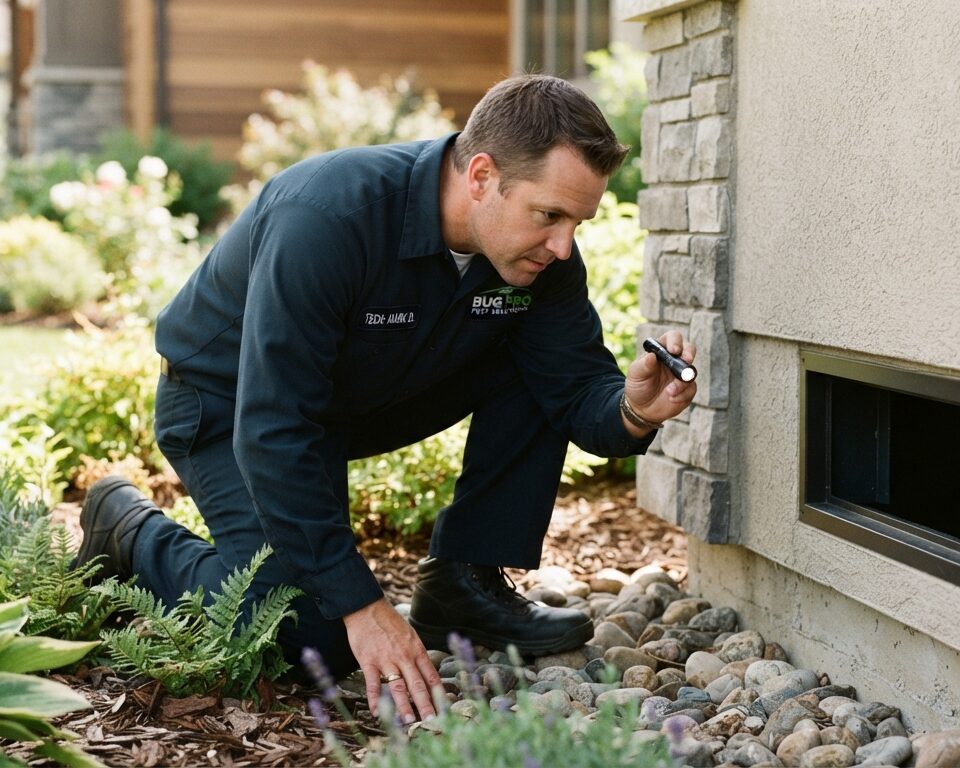
Start by walking around your home’s exterior. Look for areas where mulch or soil touches the siding. Move these materials at least 6-12 inches away from your foundation to create a ‘dry zone’ that earwigs find less hospitable. Inspect your gutters and downspouts; if they are clogged, they are likely dumping water too close to your home, creating the perfect damp environment for these pests.
Step 2: Seal Entry Points
Use high-quality silicone caulk to seal cracks in your foundation or exterior walls. Ensure that weather stripping on all exterior doors is tight and that window screens are free of tears. Earwigs are expert hitchhikers and can squeeze through surprisingly small gaps.
Step 3: Manage Indoor Humidity
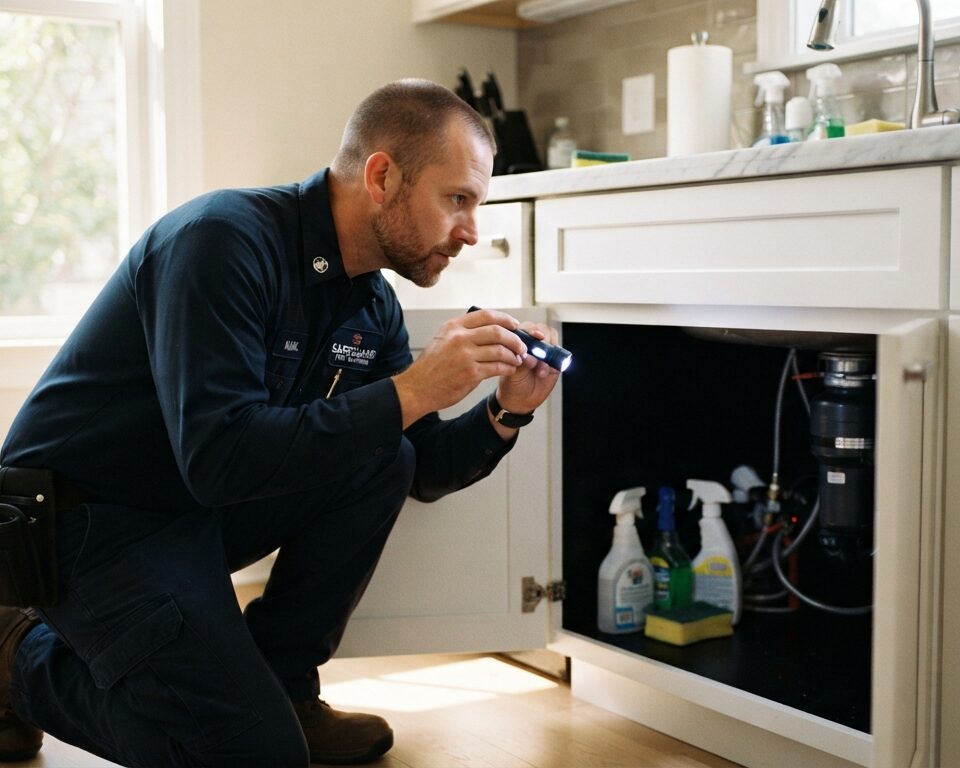
Inside the house, use dehumidifiers in basements or crawl spaces. Fix any leaking pipes under kitchen or bathroom sinks immediately. If you have indoor potted plants, make sure the saucers are not holding standing water for extended periods, as these can become breeding grounds.
Step 4: Maintain Your Landscaping
Keep your lawn trimmed and remove debris like old boards, piles of stones, or thick layers of dead leaves. By reducing the number of dark, damp hiding spots near your home, you make your property significantly less attractive to earwigs and other pests.
Frequently Asked Questions
Do earwigs really crawl into people’s ears?
No, this is a persistent urban legend. While their name suggests this behavior, there is no scientific evidence that earwigs seek out human ears. They are simply looking for dark, damp places to hide and are generally quite shy around humans.
Are earwigs dangerous to my pets or children?
Earwigs are not venomous and do not pose a significant threat to humans or pets. Their pincers are used for defense and mating, but they are rarely strong enough to break human skin. They are primarily a nuisance pest rather than a medical concern.
Can I just use store-bought sprays to get rid of them?
Over-the-counter sprays may kill individual earwigs on contact, but they rarely solve the underlying infestation. Effective Earwig Control requires addressing the moisture sources and exclusion issues that allow them to thrive in your home.
When should I call a professional pest control service?
If you have implemented moisture control and exclusion tactics but continue to see large numbers of earwigs, it is time to call the experts. A professional can identify hidden infestations and apply targeted treatments that are safer and more effective than DIY methods.
Conclusion & Summary
Managing earwigs in Marin County is a matter of vigilance and environmental control. By focusing on reducing moisture, clearing away debris from your foundation, and sealing entry points, you can significantly reduce the likelihood of an earwig infestation. Remember that these pests are indicators of an environment that has become too damp for comfort. If you find yourself battling a persistent population, don’t hesitate to reach out for professional help to ensure your home remains a safe, dry, and pest-free environment for your family. For comprehensive pest management, visit our homepage to explore our full range of services.