


Introduction & Context
For many residents of Marin County, the joy of outdoor living and hiking through our beautiful regional trails is a hallmark of our lifestyle. However, these natural excursions often come with a hidden hitchhiker: the flea. Flea control is a common concern for homeowners in the North Bay, particularly because our mild, temperate climate allows these resilient pests to thrive year-round. While many people associate fleas strictly with pets, the reality is that these parasites can quickly transition from outdoor environments into your carpets, upholstery, and bedding, creating an uncomfortable and often difficult-to-manage infestation.
Understanding the life cycle of a flea is the first step in effective management. Fleas are not just a nuisance; they are persistent vectors of discomfort that can cause allergic reactions in both humans and pets. Whether you have indoor-only pets or no animals at all, the possibility of a flea outbreak remains a reality due to local wildlife like opossums or raccoons carrying them near your foundation. At North Point Pest Solutions, we believe that education is the most powerful tool in your arsenal. This guide is designed to help you recognize the signs of an infestation early and take the necessary steps to reclaim your home from these biting invaders.
Key Takeaways & Core Concepts
- The Life Cycle: Fleas pass through four stages: egg, larva, pupa, and adult. Only about 5% of a flea population is found on the pet; the remaining 95% exists as eggs, larvae, and pupae in your carpet fibers and floor cracks.
- Environmental Sensitivity: Fleas thrive in humidity and temperatures between 65°F and 80°F. Marin County’s microclimates provide ideal conditions for these pests to reproduce rapidly.
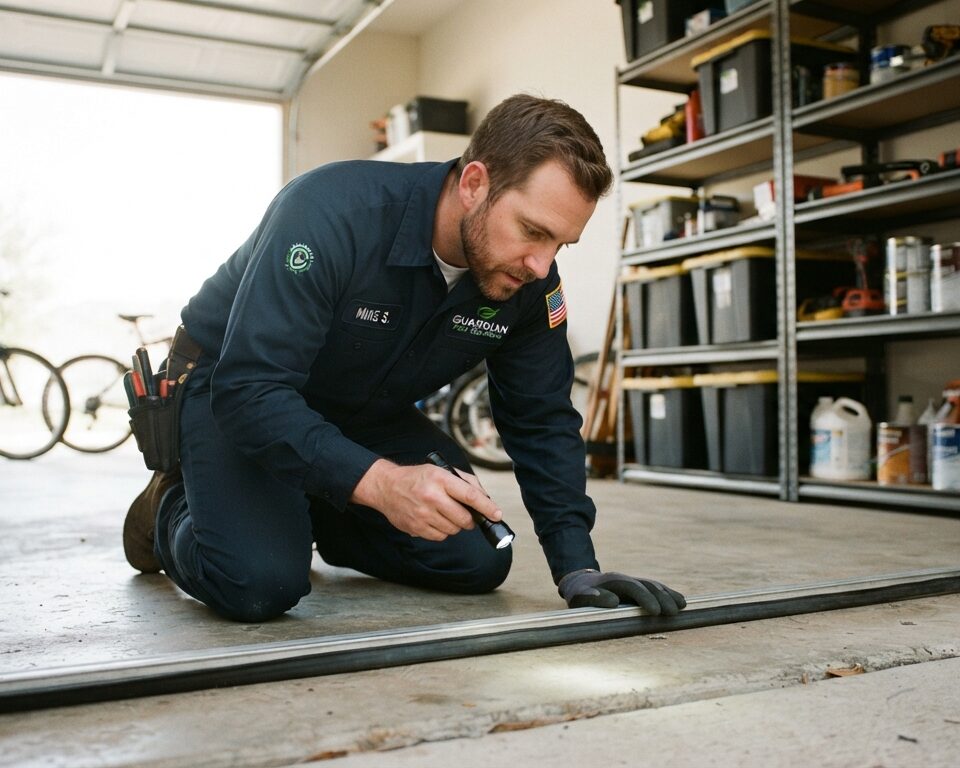
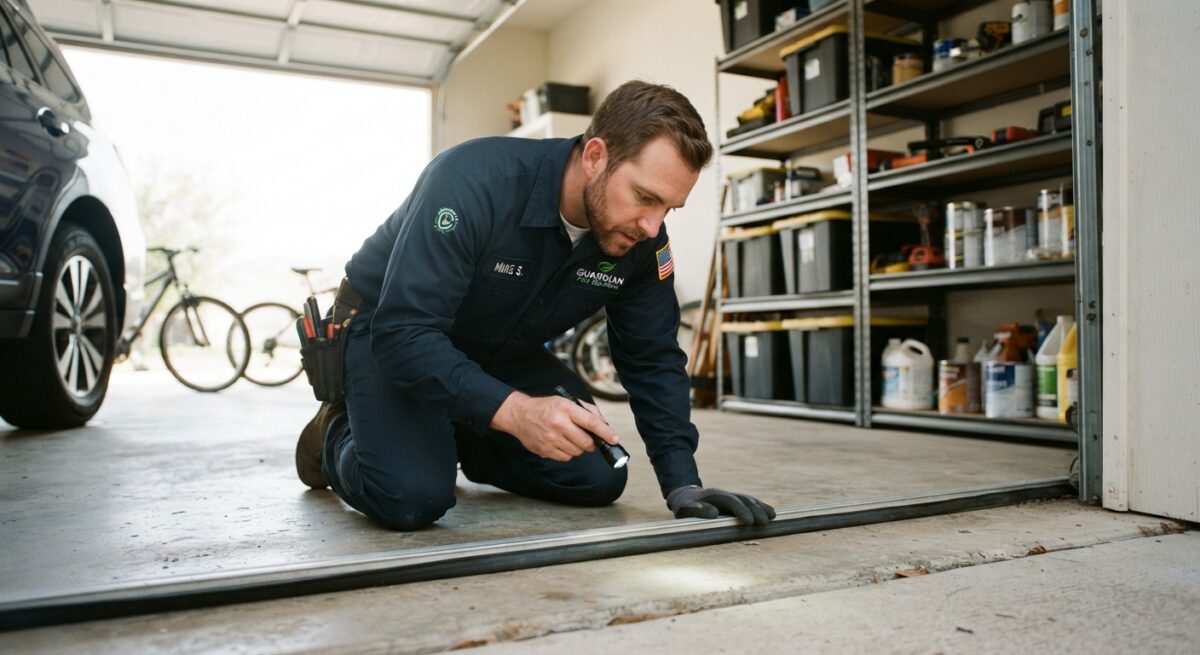
- The Wildlife Connection: Even if you do not own pets, local wildlife can introduce fleas to your perimeter. Maintaining your garage pest-free through exclusion is a vital step in preventing the migration of these pests.
- Integrated Pest Management (IPM): Effective control requires a multi-faceted approach. You cannot simply rely on one treatment; you must combine sanitation, pet care, and professional intervention to break the reproductive cycle.
- Health Risks: Beyond the itch, fleas can transmit diseases and tapeworms. It is essential to treat infestations promptly to ensure the health and safety of your household.
By understanding that the majority of an infestation is actually hidden in your environment, you can shift your strategy from merely treating the symptoms to eliminating the root cause. According to the Centers for Disease Control and Prevention (CDC), proactive environmental management is the gold standard for long-term relief.
Actionable Step-by-Step Guide
Step 1: Thorough Inspection and Sanitation
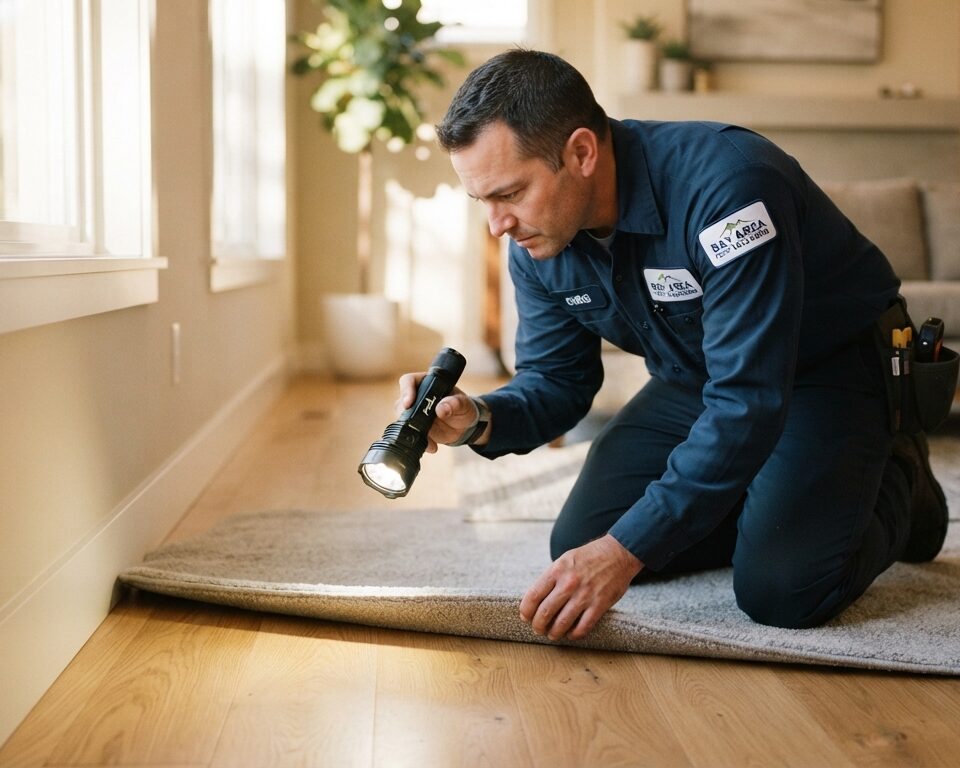
Start by identifying the areas where your pets spend the most time. Use a white sock test—walking across your carpet wearing white socks can help you spot tiny black specks or adult fleas. Once identified, wash all bedding, rugs, and pet blankets in hot water. Vacuuming is your most important tool; vacuum every square inch of your flooring, including under furniture and along baseboards. Always empty the vacuum canister or bag immediately into an outdoor bin to prevent the pests from crawling back out.
Step 2: Treat Your Pets and Your Premises
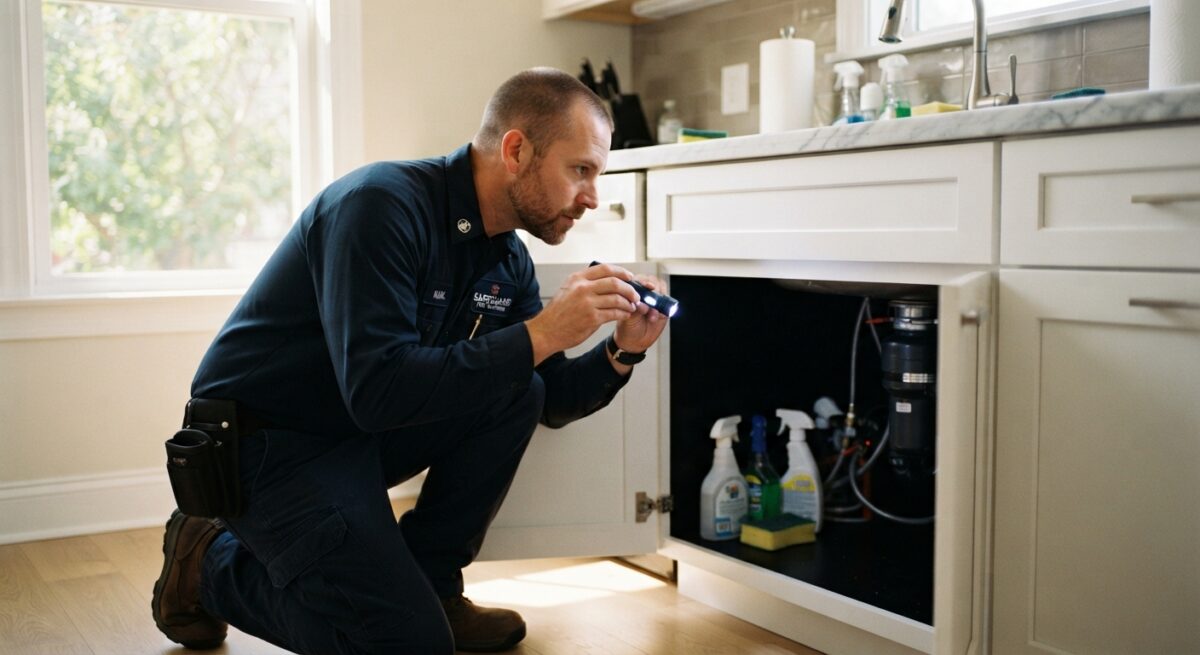
Consult with your veterinarian to ensure your pets are on an effective, year-round preventative medication. Treating the pet is only half the battle. You must address the environment where the eggs and larvae reside. If the infestation is severe, DIY sprays often fail to reach the pupae stage, which is protected by a tough cocoon. This is where professional-grade professional pest control services become necessary to break the cycle completely.
Step 3: Maintaining an Exclusion Zone
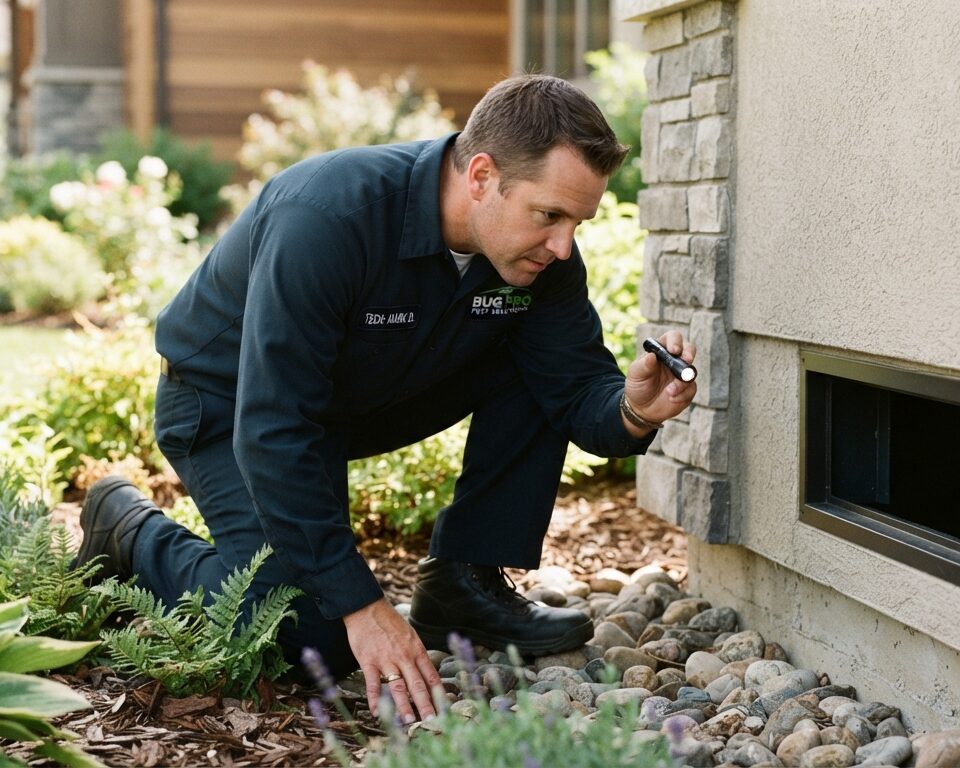
Prevent future outbreaks by sealing entry points around your home. Ensure your crawl spaces are clear of debris that might attract rodents or other wildlife. If you suspect that local wildlife is bringing fleas into your yard, consider consulting with professionals about landscape modifications. For further reading on keeping your home sealed against external threats, refer to the Environmental Protection Agency’s guidance on pet pest management.
Frequently Asked Questions
Can I get rid of fleas without professional help?
While minor, localized infestations can sometimes be managed with diligent vacuuming and pet treatment, fleas are notoriously difficult to eliminate entirely because of their pupal stage. If you continue to see bites or fleas after a week of intensive cleaning, professional intervention is recommended to prevent a full-scale home infestation.
Do fleas live in my yard or inside my house?
Both. Fleas originate in the environment—usually in shaded, humid areas of your yard—and are brought inside by pets or wildlife. Once inside, they move into the carpet, furniture, and pet bedding to complete their life cycle.
Why do I still see fleas after treating my pet?
This is the most common frustration for homeowners. Treating the pet kills the adult fleas currently feeding on the animal, but it does nothing to the eggs and larvae already present in your home’s flooring. You must treat both the animal and the home environment simultaneously.
Are fleas dangerous to humans?
While fleas primarily target animals, they will bite humans. These bites are itchy, irritating, and can occasionally lead to secondary infections from scratching. In some rare cases, they can transmit diseases, making it important to address an infestation immediately.
Conclusion & Summary
Flea control in Marin County is a manageable task, but it requires consistency and a strategic approach. By combining regular vacuuming, proper pet care, and professional exclusion techniques, you can effectively protect your home from these persistent parasites. Remember that the key to success is breaking the life cycle at every stage, not just targeting the adult fleas you see. If you find yourself overwhelmed by an infestation, do not hesitate to reach out to our team at North Point Pest Solutions. We are here to ensure your home remains a safe, comfortable sanctuary for you and your family. Take the first step today by reviewing our services and scheduling a professional inspection.