


Introduction & Context
For many residents of Marin County, the charm of living near the beautiful, rugged landscapes of the North Bay is undeniable. However, these natural environments often serve as the perfect habitat for various wildlife, including rodents. When these opportunistic creatures transition from the outdoors to your living space, they can quickly escalate from a minor nuisance into a significant property threat. Understanding how to identify the early warning signs of rodent infestations is the most critical step in safeguarding your residence. Whether you are dealing with house mice, deer mice, or the more formidable roof rat, the impact on your home’s structural integrity and your family’s health can be severe. Recognizing the presence of these pests early allows for more humane, efficient, and cost-effective management solutions. This guide provides homeowners with the necessary knowledge to detect, prevent, and manage rodent activity, ensuring your sanctuary remains protected throughout the year.
Key Takeaways & Core Concepts
Managing a pest-free home requires a fundamental understanding of why rodents enter our dwellings and how they behave. By focusing on these core concepts, you can shift from reactive measures to proactive prevention.
- The Necessity of Exclusion: Rodents can squeeze through openings as small as a dime. Sealing potential entry points is the most effective long-term deterrent.
- Sanitation as a Barrier: Rodents are driven by the search for food and water. Proper kitchen hygiene, such as storing dry goods in airtight containers, drastically reduces your home’s appeal to scavengers.
- Understanding Behavioral Patterns: Unlike insects, rodents are mammals with high intelligence. They follow established paths or ‘runways’ along walls, which makes their movement patterns predictable once identified.
- Health and Safety Risks: Beyond structural damage like chewed electrical wiring—which is a major fire hazard—rodents can carry pathogens and parasites that pose real risks to human health. For more general advice on maintaining a secure home, visit our ultimate guide to preventing pest infestations.
- Integrated Pest Management (IPM): This approach emphasizes biological, mechanical, and chemical control methods to minimize risks. You can learn more about these professional standards at the Environmental Protection Agency’s guide on IPM.
Actionable Step-by-Step Guide
Phase 1: Inspection and Detection
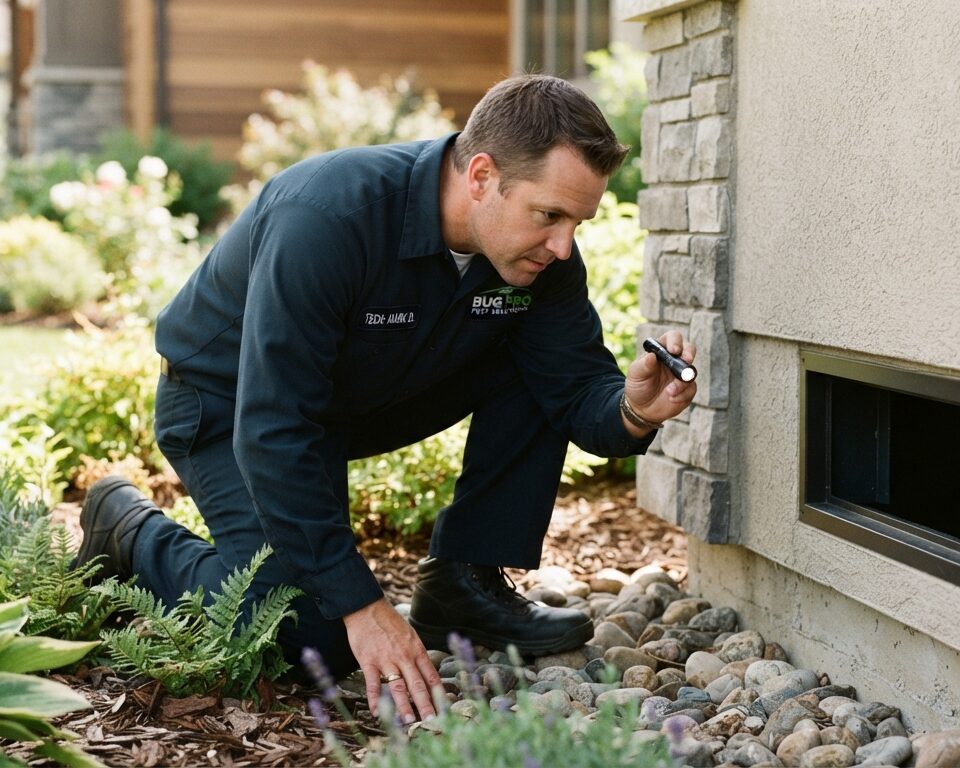
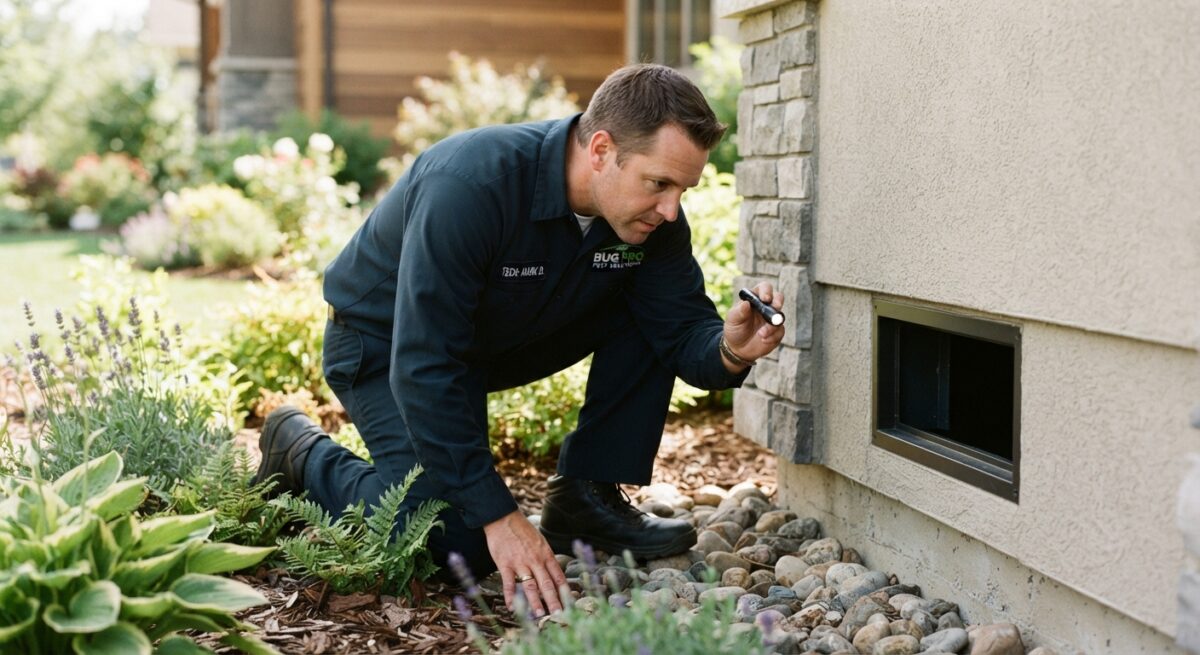
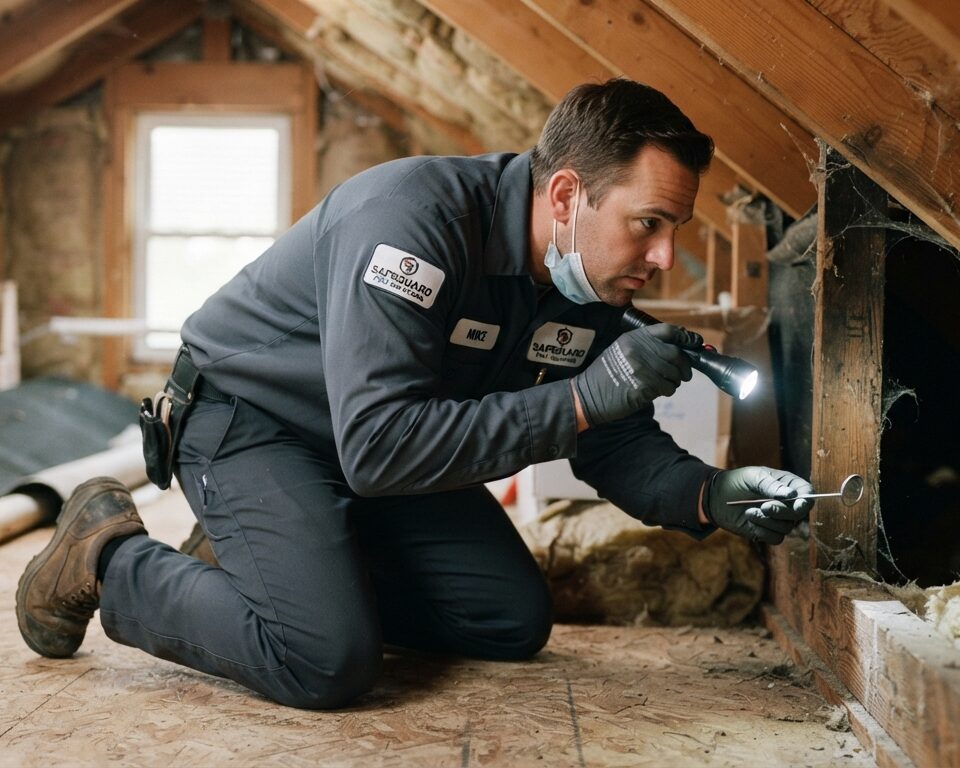
The first step in managing rodent infestations is conducting a thorough property audit. Look for physical evidence such as droppings, gnaw marks on baseboards or pantry items, and greasy rub marks along floorboards where rodents travel. Listen for scratching or scurrying sounds in the walls or attic, particularly at night when these nocturnal creatures are most active. If you find evidence in your kitchen, you may also want to check for other common pantry invaders by reviewing our guide on identifying and managing pantry pests.
Phase 2: Sealing Entry Points
Once you have identified high-activity areas, it is time to ‘exclude’ the pests. Use high-quality materials like heavy-gauge steel wool, hardware cloth, or copper mesh to plug holes around pipes, vents, and utility lines. Silicone caulk is excellent for smaller gaps, but ensure that the backing material is chew-proof. Remember that if a rodent can fit its head through a gap, its body will follow.
Phase 3: Habitat Modification
Remove the resources that attract rodents. This includes trimming tree branches that touch your roofline, as roof rats use these as bridges to enter your attic. Clear away debris, woodpiles, and overgrown vegetation near your home’s foundation. Inside, ensure all trash cans have tight-fitting lids and eliminate standing water sources under sinks or in basements.
Phase 4: Monitoring and Professional Intervention
If you have implemented these measures and still hear noises or find new droppings, it is time to call in the experts. Professional pest management provides targeted solutions that are safer for your family and pets than over-the-counter poisons. Consistent monitoring ensures that if a new colony attempts to establish itself, it is caught before it becomes a full-blown infestation.
Frequently Asked Questions
How can I tell if I have mice or rats in my home?
Mice typically leave smaller, spindle-shaped droppings, while rats leave larger, capsule-shaped droppings. Additionally, rats are more likely to be heard in attics or crawl spaces, whereas mice are often found near food sources in kitchens.
Are rodenticides safe to use around my pets?
Using DIY poisons is generally discouraged because of the risk of accidental ingestion by pets or wildlife. Professional services utilize tamper-resistant stations and safer, integrated methods to protect your household members.
Why do rodents chew on electrical wires?
Rodents have teeth that never stop growing. Chewing on hard materials like wood and plastic insulation helps them keep their incisors at a manageable length, which unfortunately often leads to fire hazards.
What time of year are rodents most active in Marin County?
While activity occurs year-round, rodents are most likely to seek shelter indoors during the cooler fall and winter months when outdoor food supplies dwindle and temperatures drop.
Conclusion & Summary
Protecting your home from rodent infestations is a continuous process of inspection, exclusion, and sanitation. By staying vigilant and addressing small entry points before they become large gaps, you can maintain a comfortable, pest-free living space. Remember that effective control is rarely a one-time event; it requires a commitment to home maintenance and, when necessary, the expertise of professional pest control providers. For those ready to take the next step in securing their property, please contact us to discuss a customized management plan for your home. Your peace of mind is our priority.