


Introduction & Context
For many residents in Marin County, the beauty of our natural landscape is one of the primary reasons we choose to live here. However, that same proximity to nature often leads to an unwelcome reality: persistent spider encounters inside the home. While most spiders found in our region are harmless, their presence—and the unsightly webs they leave behind—can be a source of constant frustration for homeowners. Spider control is not just about removing the occasional arachnid; it is about understanding why they are entering your living space and breaking the cycle of infestation.
Spiders are opportunistic hunters. If you have them in your home, it is usually because they have found a reliable food source (other insects) or a comfortable environment to shelter, mate, and lay eggs. Managing them requires a multi-faceted approach that addresses both the interior of your home and the exterior perimeter. Whether you are dealing with common house spiders or are worried about more elusive species like the ones discussed in our guide on Are Wolf Spiders in California Dangerous?, taking proactive steps is essential for maintaining a peaceful, pest-free living space.
Key Takeaways & Core Concepts
Effective spider management relies on understanding the biology of these predators and the conditions that invite them indoors. By focusing on these core pillars, you can drastically reduce the spider population in your residence:
- Eliminate the Food Source: Spiders follow the insects. If you have a high population of gnats, flies, or pantry pests, you will inevitably have spiders. Keeping your home clean and managing your kitchen hygiene is the first step in natural spider control.
- Seal Entry Points: Spiders enter through microscopic cracks in your foundation, gaps around door sweeps, and torn window screens. A thorough inspection of your home’s exterior is vital.
- Reduce Clutter: Spiders love quiet, undisturbed spaces. Cardboard boxes, piles of wood, and unused storage items in garages or attics provide perfect habitats for them to build webs and lay egg sacs.
- Integrated Pest Management (IPM): This is the gold standard for pest control. It involves monitoring pest populations, using non-chemical methods first, and applying targeted treatments only when necessary. You can learn more about these professional strategies in our guide on The Ultimate Guide to Home Pest Control.
- External Perimeter Maintenance: Removing vegetation that touches your siding and keeping your garden tidy prevents spiders from having a ‘bridge’ to reach your windows and vents.
For more general information on how to keep your home protected year-round, visit our Ultimate Guide to Home Pest Prevention.
Actionable Step-by-Step Guide
Phase 1: Exterior Inspection and Exclusion
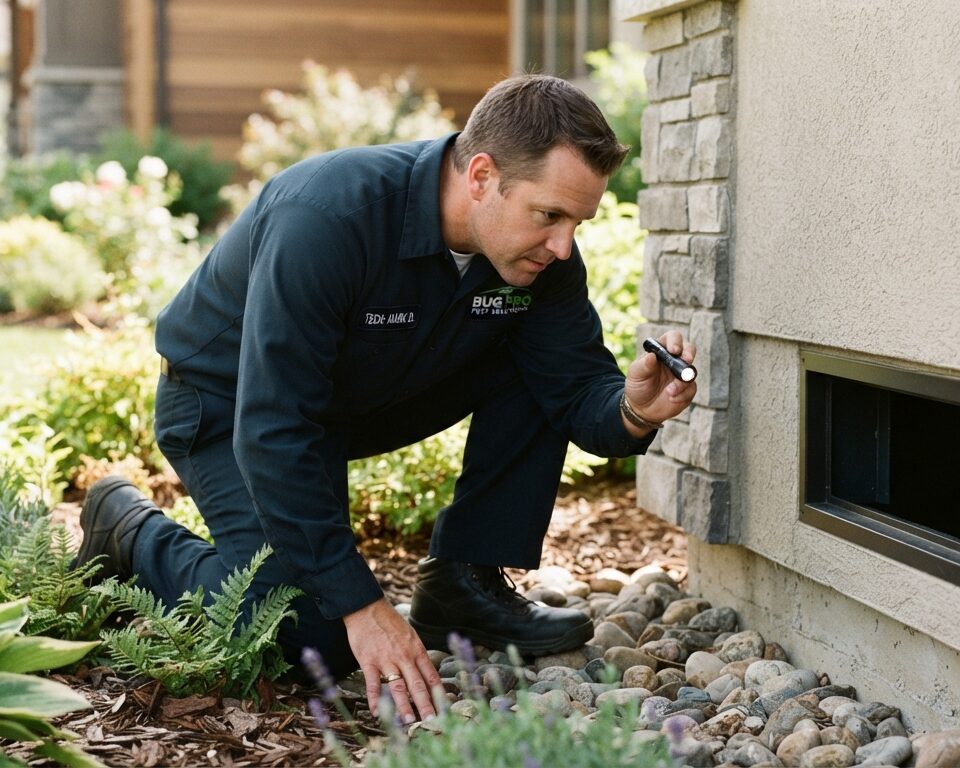
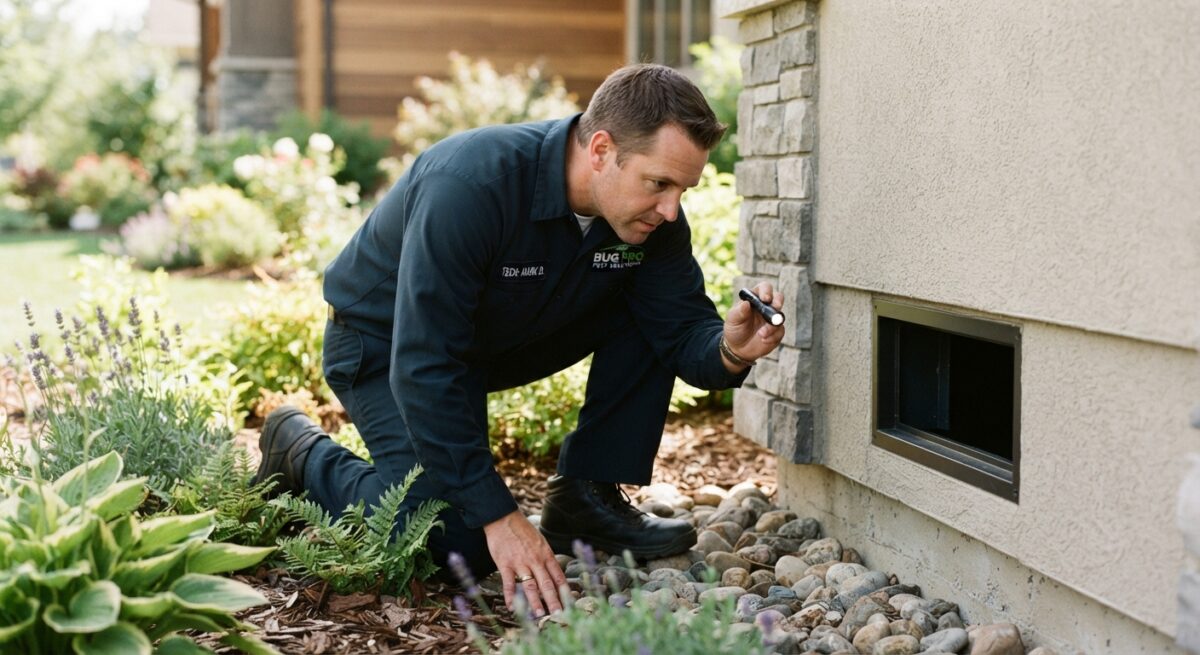
Begin by walking the perimeter of your home with a bright flashlight. Look for gaps around utility lines, plumbing penetrations, and door frames. Use a high-quality silicone caulk to seal these gaps. Ensure that your window screens are tight-fitting and free of holes. If you have shrubs or trees touching your house, trim them back at least two feet to create a ‘dry zone’ that spiders are less likely to cross.
Phase 2: Interior Sanitation
Spiders dislike being disturbed. Regularly vacuuming corners, behind furniture, and along baseboards removes not only the spiders but also their egg sacs and webbing. Pay special attention to garages, basements, and attics, which are often overlooked. According to the Environmental Protection Agency, reducing moisture and clutter is one of the most effective ways to manage pests naturally.
Phase 3: Targeted Management
If you find that your efforts are not enough, it may be time to consult with professionals. DIY sprays often provide only temporary relief because they do not address the source of the infestation. Professional services ensure that treatments are applied safely, particularly in homes with pets or children. For those interested in learning more about the industry standards for safety, the National Pesticide Information Center provides excellent resources on how to handle pest management products responsibly.
Frequently Asked Questions
Why do I keep seeing spiders in my home even after cleaning?
Spiders are often attracted to the insects that live in your home. If you have an underlying issue with other pests, the spiders will keep returning to hunt. Additionally, spiders can enter through tiny gaps in window frames or doors that are not visible to the naked eye.
Are all house spiders dangerous?
In the Bay Area, the vast majority of house spiders are harmless to humans. While many can bite if handled roughly, their venom is generally mild. The primary concern is usually the nuisance of their webs and the potential for a larger infestation.
When should I call a professional for spider control?
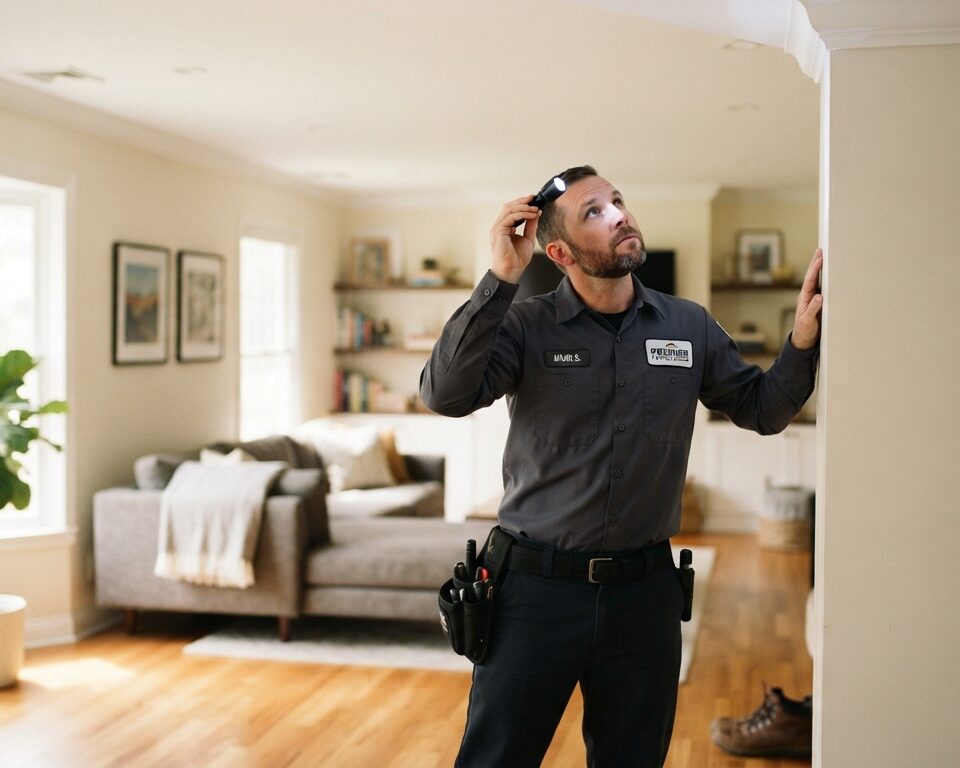
You should call a professional if you are seeing a high volume of spiders, if you find egg sacs in multiple rooms, or if you are concerned about identifying a specific, potentially dangerous species. A professional can also identify hidden entry points you might have missed.
Does turning off outdoor lights help?
Yes. Many insects are attracted to light, and spiders frequently build their webs near light sources to take advantage of the ‘all-you-can-eat’ buffet of moths and flies. Using yellow LED bulbs or motion-sensor lights can reduce the number of insects, thereby reducing the spider population.
Conclusion & Summary
Controlling spiders in your Marin County home is a process of exclusion, sanitation, and professional vigilance. By maintaining a clean home, sealing your exterior entry points, and reducing the insect population around your property, you can significantly diminish the number of spiders you encounter. Remember that consistent effort is the key to success. If the problem persists, do not hesitate to contact our expert team at North Point Pest Solutions. We are here to help you reclaim your living space and ensure your home remains a protected, pest-free sanctuary for you and your family.