


Introduction & Context
For many North Bay residents, the arrival of warmer weather brings the joy of outdoor living. However, it also marks the peak season for stinging insects. Whether you are hosting a backyard barbecue or simply maintaining your landscaping, encountering wasps, yellowjackets, or hornets can turn a peaceful afternoon into a stressful situation. These insects play a vital role in our ecosystem by pollinating plants and controlling other pest populations; however, when they build nests in close proximity to human activity, they become a significant threat to safety.
Understanding the behavior and nesting habits of these pests is the first step in protecting your property. Many homeowners mistakenly believe that all stinging insects are equally aggressive, but identifying the specific species is crucial for effective management. At North Point Pest Solutions, we prioritize both the safety of your family and the integrity of your home. By recognizing the signs of an infestation early, you can take proactive steps to minimize risks and keep your living environment comfortable and secure throughout the year.
Key Takeaways & Core Concepts
Managing stinging insects requires a combination of knowledge, vigilance, and, when necessary, professional intervention. Below are the core concepts every homeowner should understand:
- Species Identification: It is critical to distinguish between beneficial pollinators like honeybees and more aggressive species like yellowjackets. According to University of California Agriculture and Natural Resources, proper identification prevents unnecessary harm to helpful insects.
- Nesting Preferences: Wasps and hornets often choose protected areas such as roof eaves, wall voids, or dense shrubbery. Regularly inspecting these high-risk zones is essential for early detection.
- Aggression Factors: Stinging insects are usually defensive rather than offensive. They react to vibrations, strong odors, and perceived threats to their colony.
- Integrated Pest Management (IPM): This approach focuses on long-term prevention through habitat modification, such as sealing cracks and removing food sources. You can learn more about these strategies in our guide on home pest prevention.
- Professional Safety: Attempting to remove a large nest without proper protective gear is dangerous. If you discover a significant nest, contact a professional to ensure the safety of everyone involved.
Actionable Step-by-Step Guide
Step 1: Conduct a Perimeter Inspection
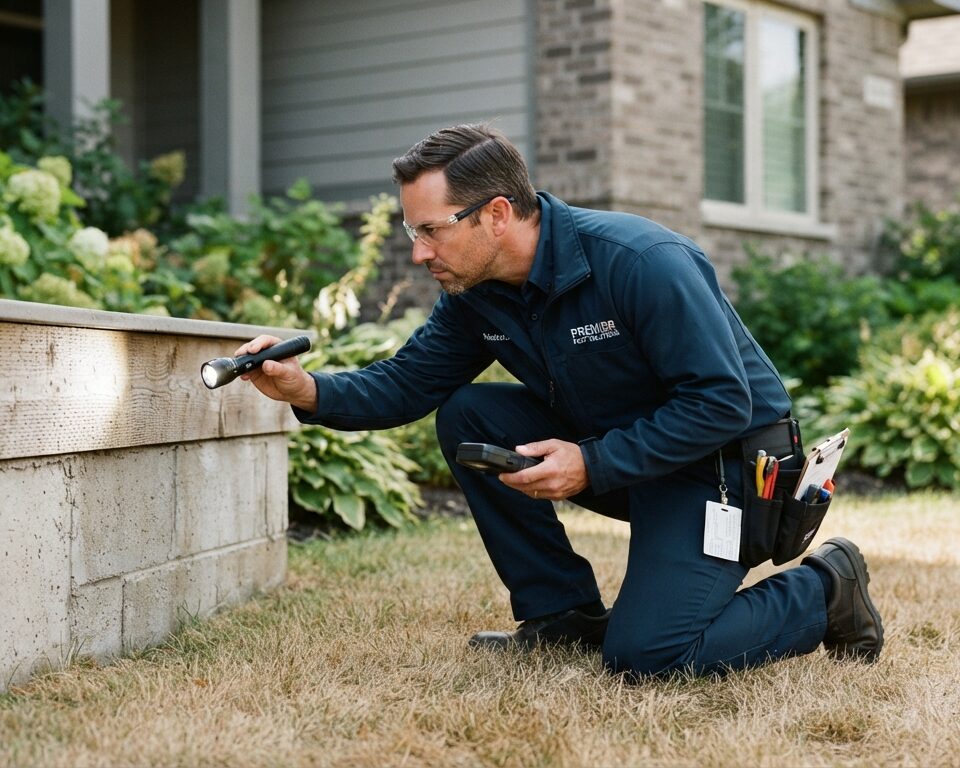
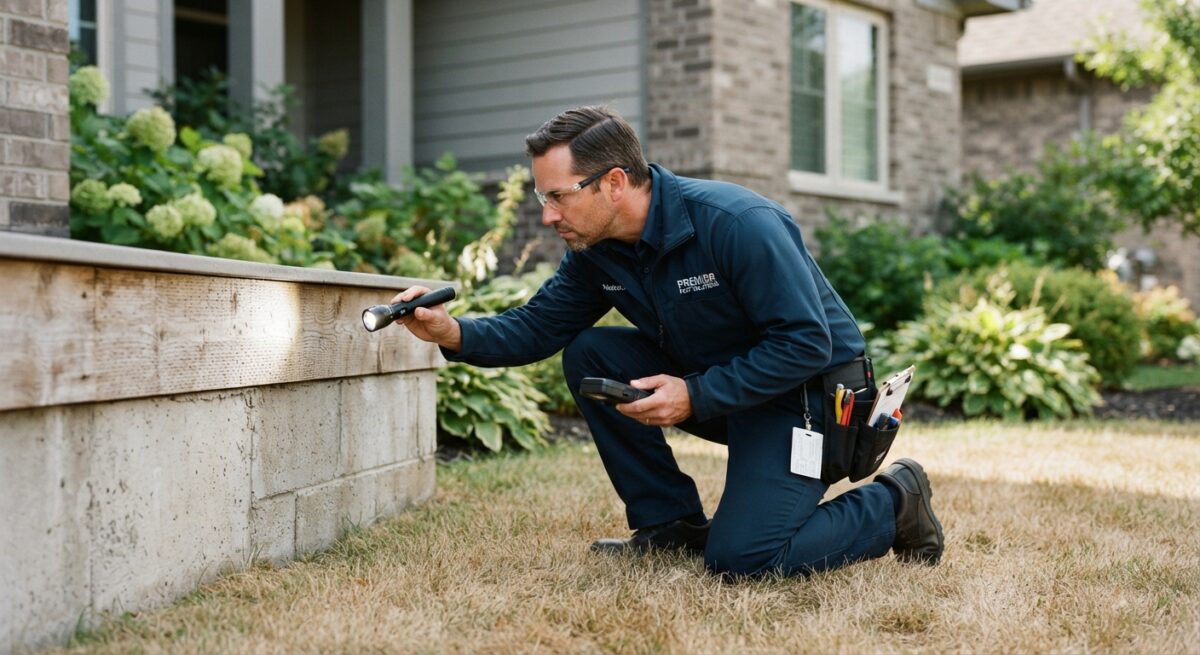
Start by walking around your home during the early morning or late afternoon, when stinging insects are most active. Check under eaves, near deck railings, inside sheds, and within wood piles. Look for papery, gray, or brown structures that resemble hives or aerial nests. If you find a nest, keep a safe distance and observe the activity levels.
Step 2: Eliminate Attractants
Stinging insects are often drawn to food and water sources. Keep trash cans tightly sealed, clean up fallen fruit from garden trees, and address standing water in your yard. If you have outdoor dining areas, ensure that sugary drinks and food scraps are cleared away immediately, as these are primary magnets for yellowjackets.
Step 3: Seal Potential Entry Points
Many stinging insects utilize gaps in siding, vents, and window screens to build nests in wall voids. Use high-quality caulk or fine mesh screens to seal these entry points. This not only prevents stinging insects from settling in but also serves as a general home pest control strategy to keep other invaders out.
Step 4: Maintain Your Landscaping
Trim back overgrown bushes and keep tree branches away from the roofline. Stinging insects often use thick vegetation as a bridge to reach your home. By maintaining a clean, clear buffer zone around your foundation, you reduce the likelihood of them establishing a permanent colony near your living space.
Step 5: Know When to Call the Experts
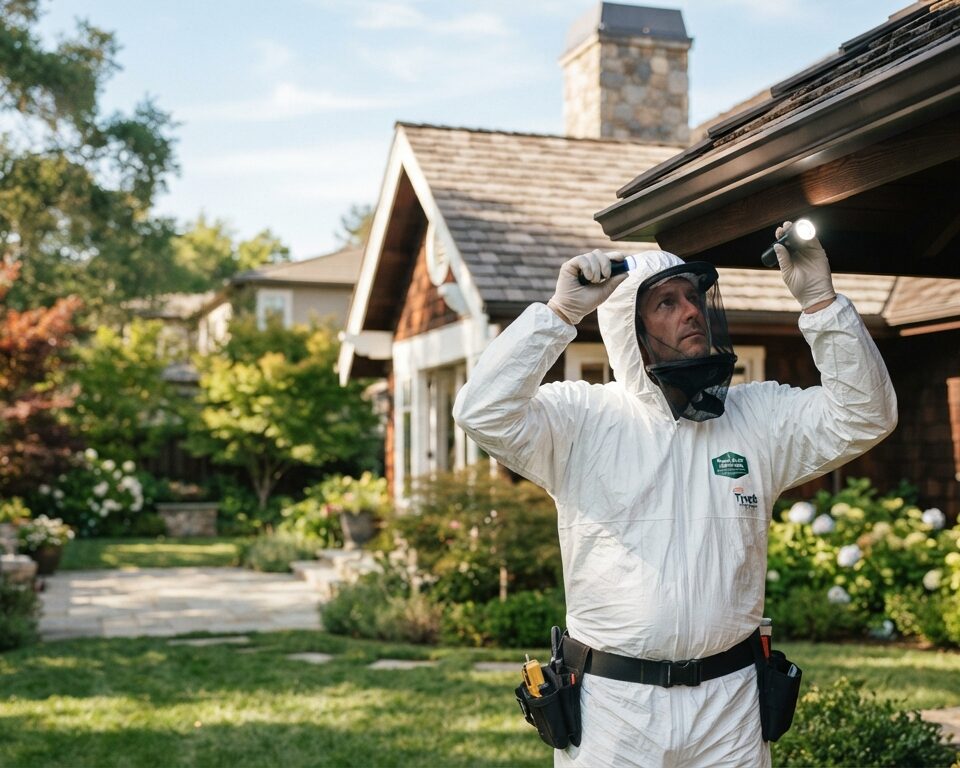
If you encounter a nest that is located in an area that is difficult to reach, or if the colony appears to be extremely large and aggressive, do not attempt a DIY removal. Professional technicians have the specialized equipment and protective suits required to eliminate the threat safely. For immediate assistance, feel free to contact us to discuss your situation.
Frequently Asked Questions
Why do stinging insects build nests on my house?
Homes provide excellent protection from the elements and predators. Eaves, soffits, and wall voids offer a stable, temperature-controlled environment that is ideal for colony growth.
Are all stinging insect nests dangerous?
While some species are solitary and non-aggressive, social wasps and hornets will defend their nests vigorously. Any nest located near doorways or high-traffic areas should be treated with caution.
Can I just use an over-the-counter spray?
While store-bought sprays exist, they are often ineffective against large, established nests and can cause insects to swarm in defense. It is rarely worth the risk of being stung.
How do I know if I have an infestation in my walls?
If you notice a high volume of insects entering and exiting a specific crack in your siding or foundation, you likely have a nest inside the wall void. This requires professional inspection.
Conclusion & Summary
Protecting your North Bay home from stinging insects is a manageable task when you combine regular property inspections with proactive maintenance. By removing attractants, sealing entry points, and keeping your landscaping tidy, you significantly reduce the risk of an unwelcome infestation. Remember that these insects are a natural part of our environment, but they have no place inside your home or in your high-traffic outdoor living spaces. Should you encounter a nest that poses a threat to your family’s safety, rely on the professionals at North Point Pest Solutions to handle the situation with expertise and care. Prioritizing safety and vigilance ensures that you can enjoy your property with peace of mind all year long.