


Table of Contents
- Understanding Common Pest Problems
- Seasonal Pest Control: What to Expect
- Identifying Pests: Know Your Enemy
- Integrated Pest Management Strategies
- Preventing Future Pest Infestations
Understanding Common Pest Problems
Discovering unwanted guests in your home can be unsettling. Addressing common pest problems promptly is key to maintaining a healthy living environment. These pests aren’t just annoying; some can spread diseases or damage your property.
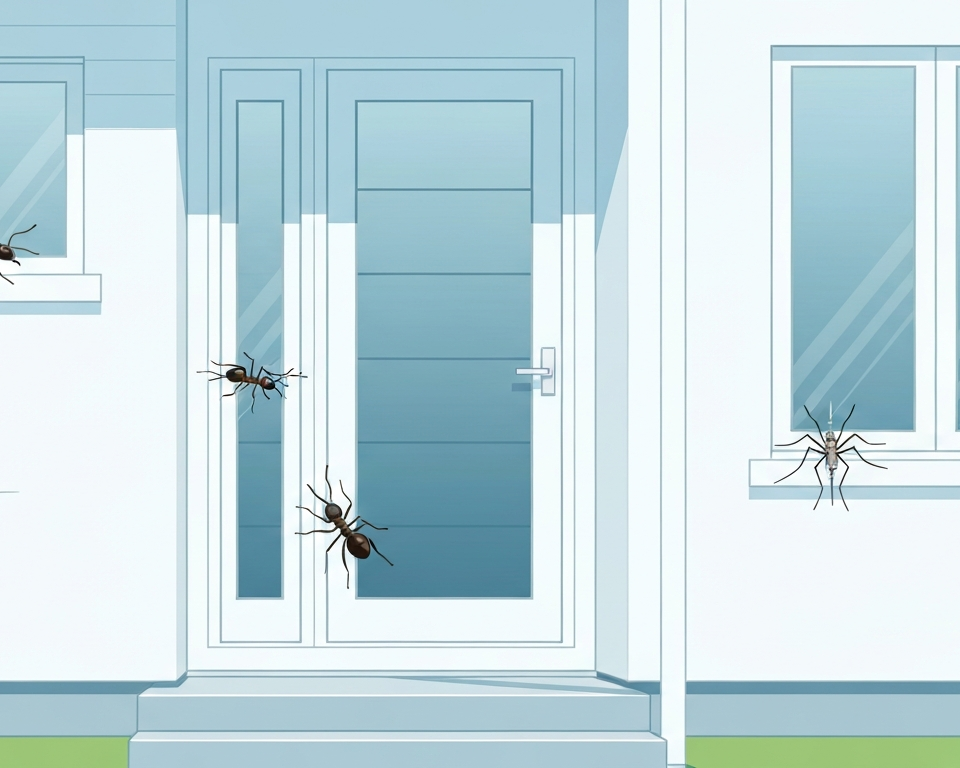
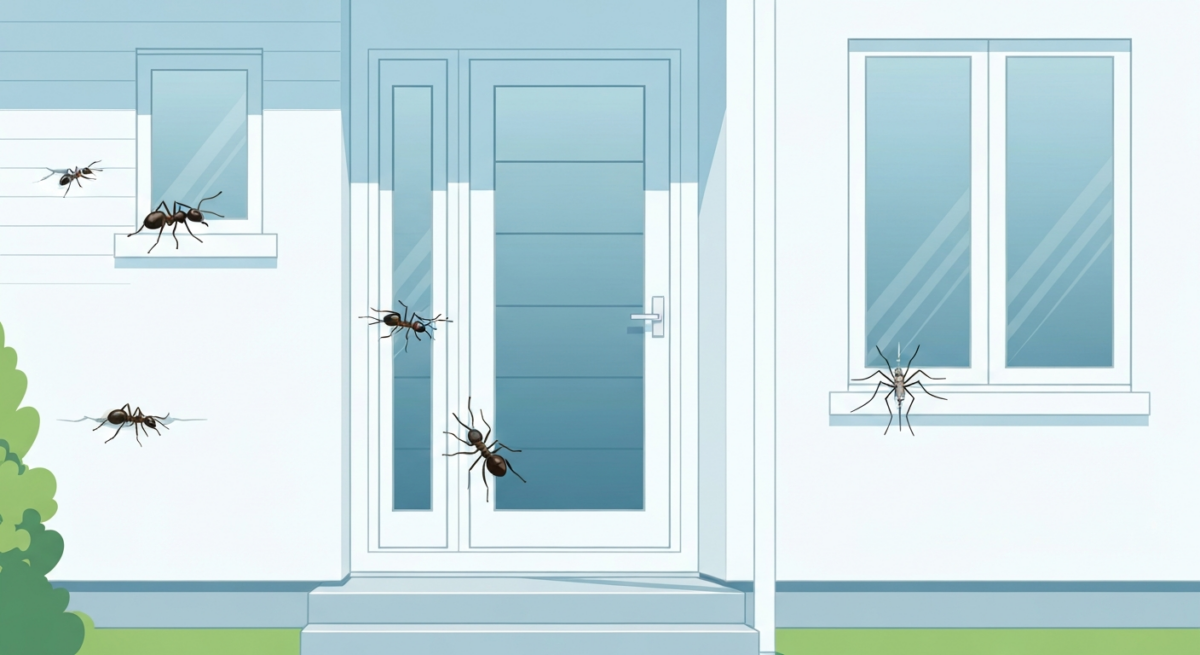
From tiny ants marching across your kitchen counter to buzzing mosquitoes near windows, these invaders can quickly turn a peaceful home into a source of stress. Learning to identify and manage these issues is essential for homeowners.
Seasonal Pest Control: What to Expect
Pest activity often follows a seasonal pattern. Understanding these cycles helps in proactive seasonal pest control measures.
Spring
As temperatures rise, many pests become more active. Ants, spiders, and termites may start seeking new nesting sites or food sources. Cockroaches also thrive in warmer, moist conditions.
Summer
Warm weather brings out flying insects like flies and mosquitoes. Outdoor pests can easily find their way inside through open doors and windows.
Fall
As it gets colder, pests like rodents and certain insects seek warmth indoors. Mice and rats may look for entry points into your home to escape the chill.
Winter
While some pests become dormant, indoor pests like rodents, cockroaches, and stored product pests can remain active. They are drawn to the consistent warmth and available food inside.
Identifying Pests: Know Your Enemy
Effective pest management starts with knowing what you’re dealing with. Identifying pests correctly ensures the right treatment methods are used.
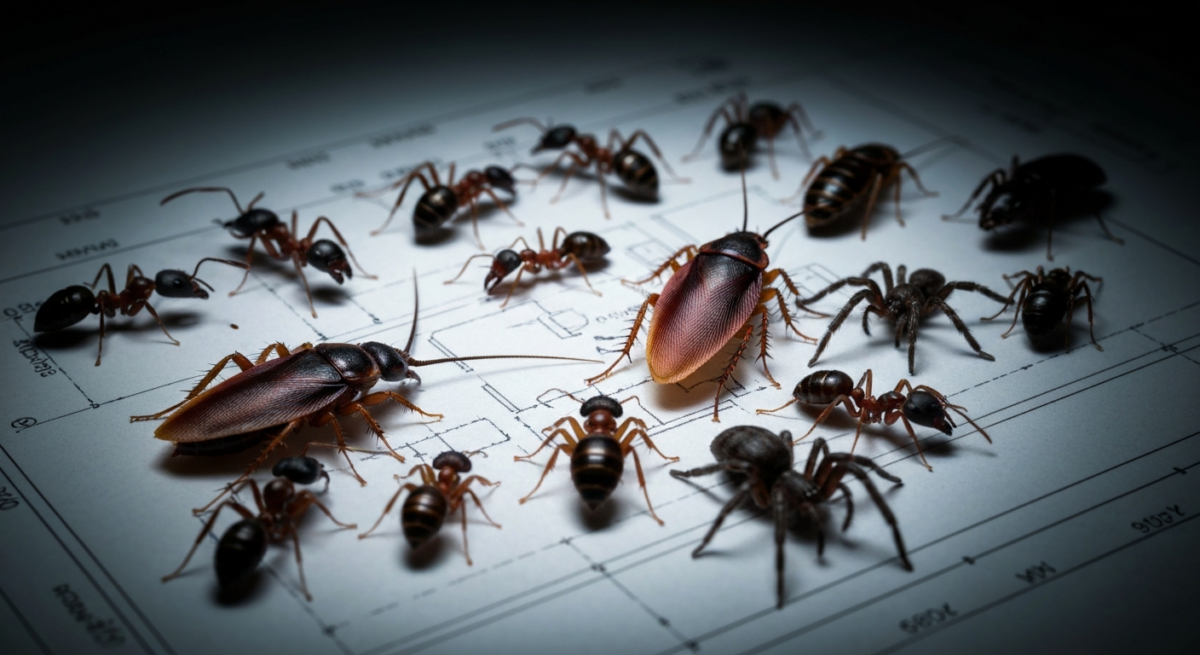
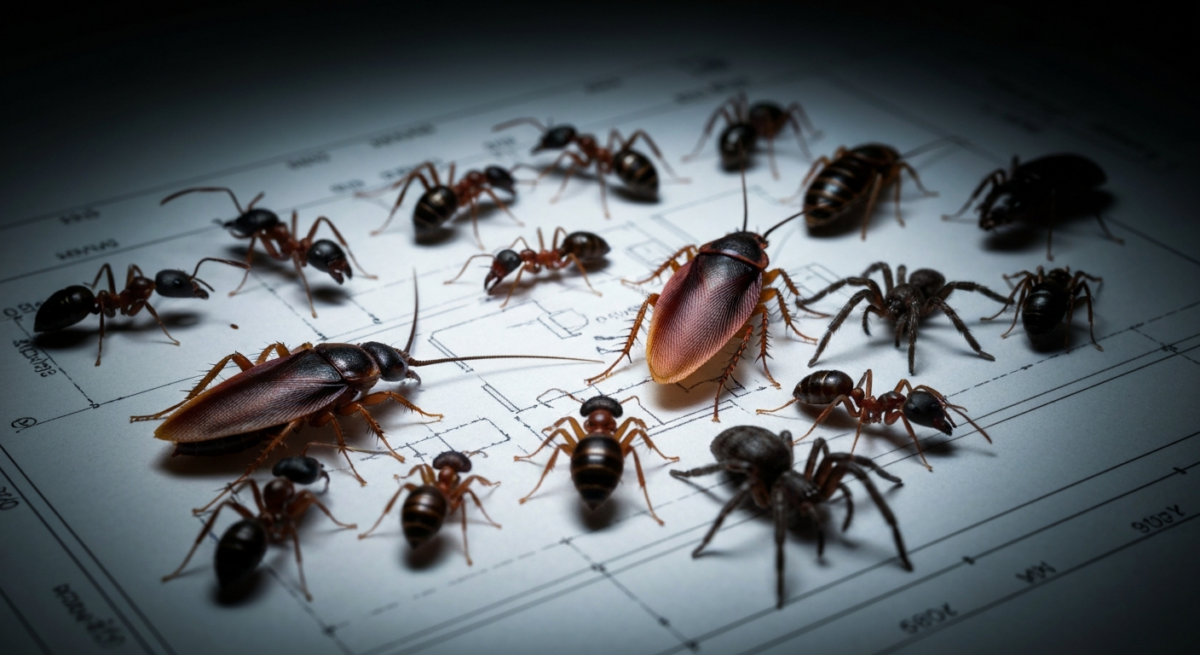
Common culprits include:
- Ants: Small, often seen in trails, attracted to food and water.
- Spiders: Vary in size and appearance; most are harmless but some can bite.
- Cockroaches: Fast-moving, nocturnal, and known to spread germs.
- Rodents (Mice & Rats): Leave droppings, gnaw on wires and structures.
- Mosquitoes: Annoying biters, can transmit diseases.
If you’re unsure about pest identification, professional services can help. For expert assistance, consider North Point Pest Solutions, a leader in comprehensive pest management.
Integrated Pest Management Strategies
Integrated Pest Management (IPM) is a smart approach that combines different methods for long-term pest control. It focuses on prevention, monitoring, and using the least toxic methods first.
Key IPM principles include:
- Sanitation: Keeping your home clean reduces food and water sources for pests.
- Exclusion: Sealing cracks and gaps prevents pests from entering.
- Biological Controls: Using natural predators (less common for home pests).
- Chemical Controls: Using pesticides only when necessary and targeted.
This sustainable approach is effective and safer for your family and pets. For more detailed information on IPM, the U.S. Environmental Protection Agency offers valuable resources.
Preventing Future Pest Infestations
Preventing pest infestations is always easier than dealing with an active problem. Taking proactive steps can save you time, money, and hassle.
- Seal Entry Points: Regularly inspect your home’s exterior and seal any cracks or holes in foundations, walls, and around pipes.
- Manage Moisture: Fix leaky pipes and faucets, and ensure good ventilation in bathrooms and kitchens to reduce humidity.
- Proper Food Storage: Store food in airtight containers, clean up spills immediately, and don’t leave pet food out overnight.
- Yard Maintenance: Keep your lawn mowed, trim bushes away from your house, and remove standing water to reduce breeding grounds for insects.
- Regular Inspections: Conduct routine checks inside and outside your home for early signs of pest activity.
By implementing these preventive measures, you significantly reduce the chances of pests becoming a problem in your home. Consistent vigilance is your best defense.
Frequently Asked Questions (FAQ)
What is the most common pest problem in homes?
Ants are consistently the most common pest problem reported in homes, followed closely by spiders and rodents.
When is the best time to pest-proof my home?
The best time is before pest seasons begin, typically late winter or early spring, and again in the fall to prevent rodents from entering.
How can I prevent pests naturally?
Natural prevention includes maintaining cleanliness, sealing entry points, managing moisture, using essential oils (like peppermint or eucalyptus), and keeping your yard tidy.
Are common pests dangerous?
While many common pests are just nuisances, some, like certain spiders, cockroaches, and rodents, can pose health risks by spreading bacteria or causing allergic reactions.
Author Bio
About the Author: Alex Smith is a seasoned pest control expert with over a decade of experience in integrated pest management and client education. He is dedicated to providing homeowners with practical, effective strategies to maintain pest-free living environments.
Ready for a Pest-Free Home?
Don’t let common pest problems disrupt your peace of mind. For reliable and professional pest solutions tailored to your needs, contact the experts today!
Call us now for a consultation and take the first step towards a protected home!