

Table of Contents
- Introduction to Effective Pest Management
- The Crucial Role of Prevention
- Pest Identification: Knowing Your Enemy
- Embracing Integrated Pest Management (IPM)
- When to Seek Professional Pest Solutions
- Frequently Asked Questions (FAQ)
- Expert Takeaway
- Call to Action
Introduction to Effective Pest Management
Achieving effective pest management is a critical aspect of maintaining a healthy and safe environment, whether in your home or a commercial establishment. Pests can not only cause significant structural damage and contaminate food supplies but also pose serious health risks to occupants. Proactive and strategic approaches are essential to prevent infestations and address existing problems efficiently. Understanding the principles of pest control is the first step toward safeguarding your property and well-being.
This guide delves into the core components of robust pest management, offering actionable insights for homeowners and business owners alike. We will explore preventative measures, the significance of accurate pest identification, and the benefits of employing professional services when necessary. For comprehensive solutions tailored to your specific needs, consider exploring the services offered by Northpoint Pest Solutions.
The Crucial Role of Prevention
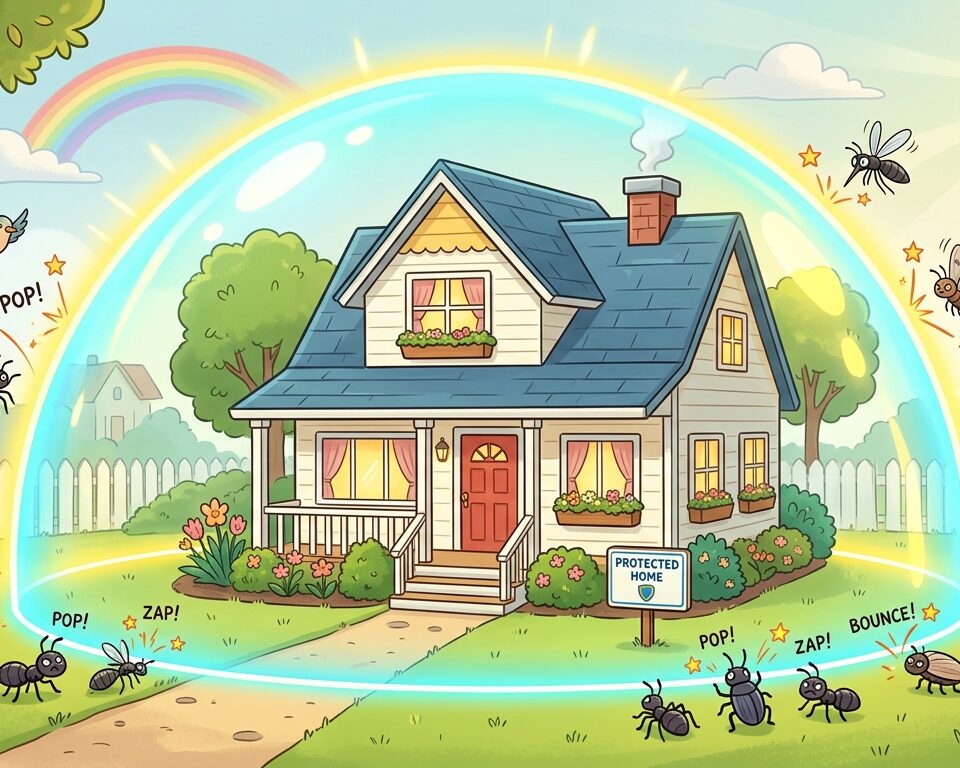
Prevention is the cornerstone of effective pest management. By implementing a few key strategies, you can significantly reduce the likelihood of pest infestations:
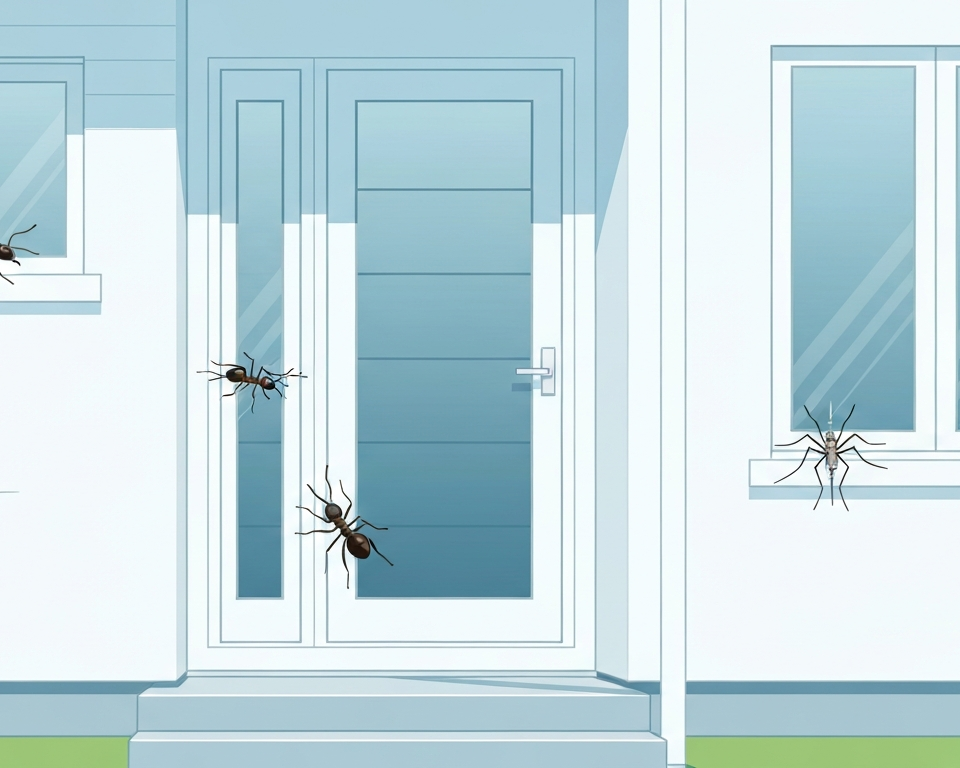
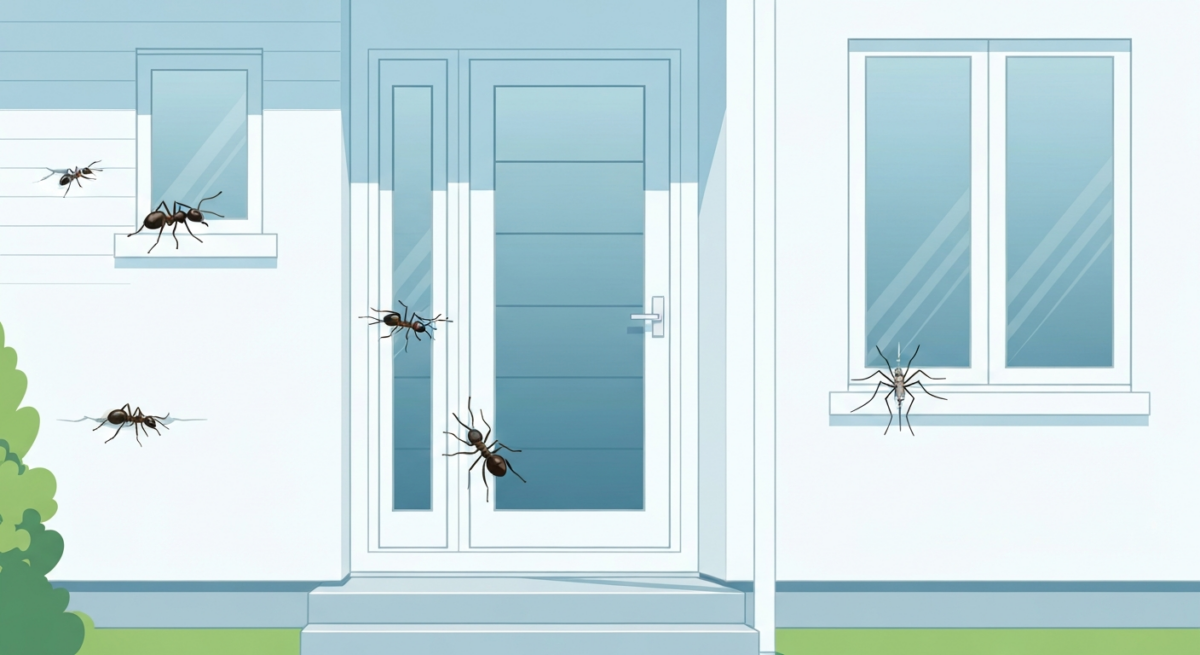
- Seal Entry Points: Regularly inspect your property for cracks and crevices in walls, foundations, and around utility lines. Seal these openings with appropriate materials like caulk or steel wool to prevent pests from entering.
- Proper Food Storage: Store food in airtight containers and promptly clean up spills and crumbs. This eliminates a primary attractant for many common pests, such as ants and rodents.
- Waste Management: Ensure outdoor trash bins are sealed tightly and emptied regularly. Accumulating garbage can attract a wide range of nuisance pests.
- Moisture Control: Pests are often drawn to areas with excess moisture. Fix leaky pipes, ensure proper drainage, and use dehumidifiers in damp areas like basements and crawl spaces.
Pest Identification: Knowing Your Enemy
Why Accurate Pest Identification Matters
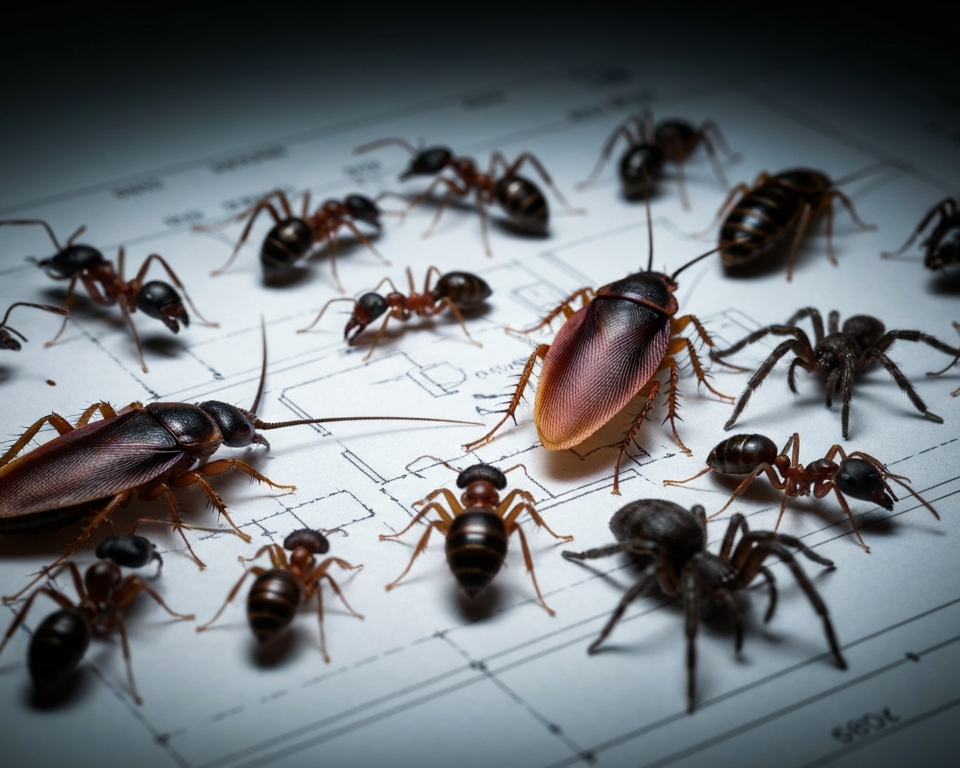
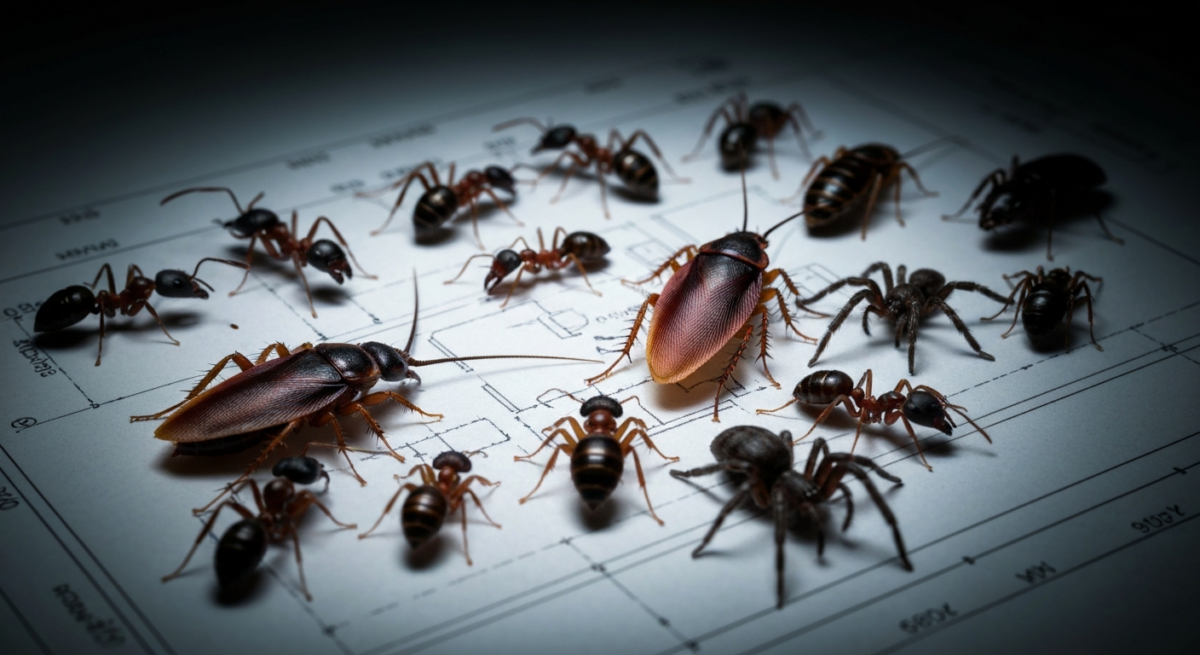
Identifying the specific type of pest is fundamental to effective pest management. Different pests have unique behaviors, life cycles, and vulnerabilities. Misidentification can lead to ineffective treatment methods, wasted resources, and prolonged infestation issues. For instance, a strategy that works for termites would be entirely inappropriate for a cockroach problem.
Understanding the pest allows for targeted interventions. For example, knowing if you are dealing with a social insect like ants or a solitary pest like a spider dictates the best approach for elimination and prevention. Resources like the Environmental Protection Agency (EPA) provide valuable information on pest identification and management.
Embracing Integrated Pest Management (IPM)
Integrated Pest Management (IPM) is a sustainable and comprehensive approach that combines biological, cultural, physical, and chemical tools to manage pests effectively. The core principle of IPM is to minimize risk to people and the environment.
- Monitoring: Regularly inspect areas for signs of pests and their activity.
- Identification: Accurately identify the pest species.
- Action Thresholds: Determine the point at which pest populations or environmental conditions indicate that action must be taken.
- Prevention: Implement preventative strategies to reduce pest numbers and their ability to thrive.
- Control: Use the most effective and least hazardous control methods available.
An IPM strategy emphasizes using chemical pesticides only when necessary and in a manner that minimizes risks. For a robust IPM strategy in commercial settings, exploring commercial pest solutions can be highly beneficial.
When to Seek Professional Pest Solutions
While DIY methods can be effective for minor issues, certain situations warrant professional intervention for effective pest management. These include:
- Severe Infestations: When pest populations are widespread and overwhelming.
- Difficult-to-Treat Pests: Pests like termites or bed bugs require specialized knowledge and equipment.
- Health and Safety Concerns: If pests pose significant health risks, such as venomous spiders or disease-carrying rodents.
- Commercial Properties: Businesses often have stricter regulations and higher stakes, making professional commercial pest solutions a necessity.
Professional pest control companies possess the expertise, tools, and safe products to address infestations thoroughly and prevent future occurrences. For reliable and expert services, consider the professional team at Northpoint Pest Solutions.
Frequently Asked Questions (FAQ)
What are the signs of a pest infestation?
Signs can include visible pests, droppings, damaged property, unusual odors, or gnaw marks. Regular inspection of your property is key to early detection.
How can I prevent pests from entering my home?
Preventative measures include sealing entry points, maintaining cleanliness, proper food storage, and managing moisture levels. Consistent home pest prevention is crucial.
Are DIY pest control methods effective?
DIY methods can be effective for minor issues, but they often lack the potency and comprehensiveness of professional treatments for severe or persistent infestations.
How often should I schedule professional pest inspections?
The frequency depends on your location, property type, and historical pest activity. However, annual or semi-annual professional inspections are generally recommended for comprehensive home pest prevention.
Expert Takeaway
By Alex Smith, Pest Control Specialist
Implementing a proactive and informed strategy is paramount for lasting pest control. Understanding pest behavior, utilizing preventative measures, and knowing when to engage expert help ensures a safer, healthier environment for everyone. Consistent vigilance and a tailored approach are the hallmarks of truly effective pest management.
Call to Action
Ready to take control of pest problems and secure your property? Contact Northpoint Pest Solutions today for a professional assessment and customized pest management plan. Protect your home and business with our expert solutions!