


Table of Contents
- Introduction
- Understanding Common Household Pests
- Prevention is Key: Your First Line of Defense
- Effective Removal Methods for Indoor Pest Control
- When to Call the Pros
Introduction
Keeping your home free from unwanted visitors like ants, spiders, and roaches is essential for a healthy living environment. Effective indoor pest control doesn’t always mean harsh chemicals. By understanding common pests and employing smart prevention techniques, you can significantly reduce the chances of an infestation. This guide will walk you through practical tips to maintain a pest-free home.
Understanding Common Household Pests
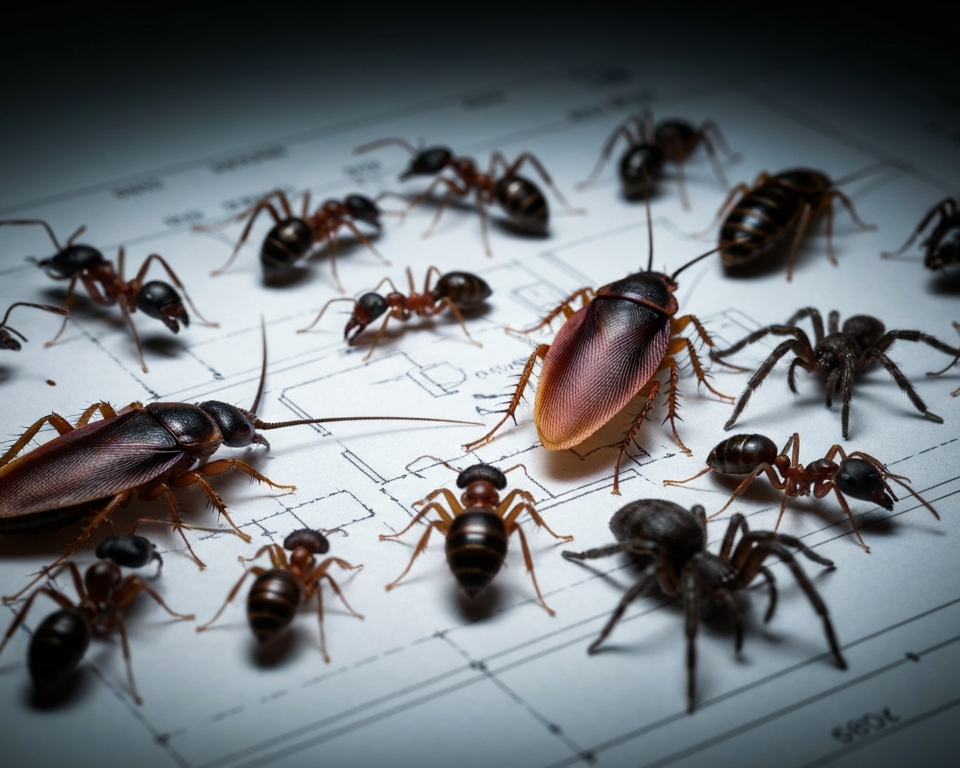
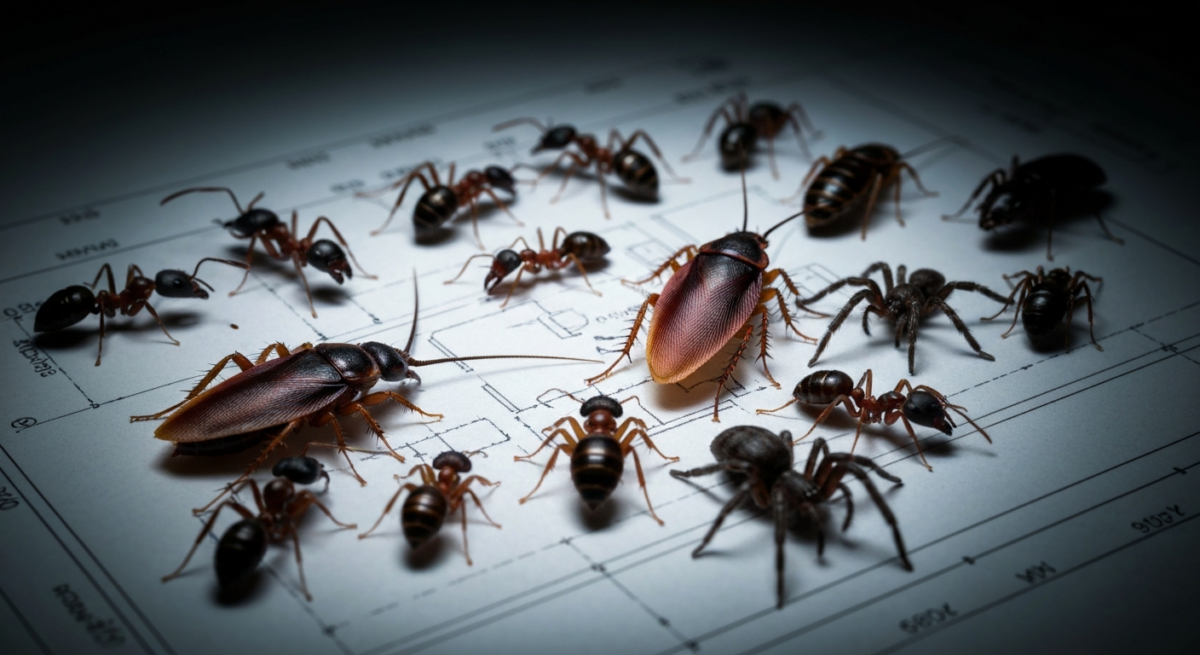
Knowing what you’re up against is the first step in successful indoor pest control. Many common household pests are attracted to food sources, water, and shelter. Some of the most frequent invaders include:
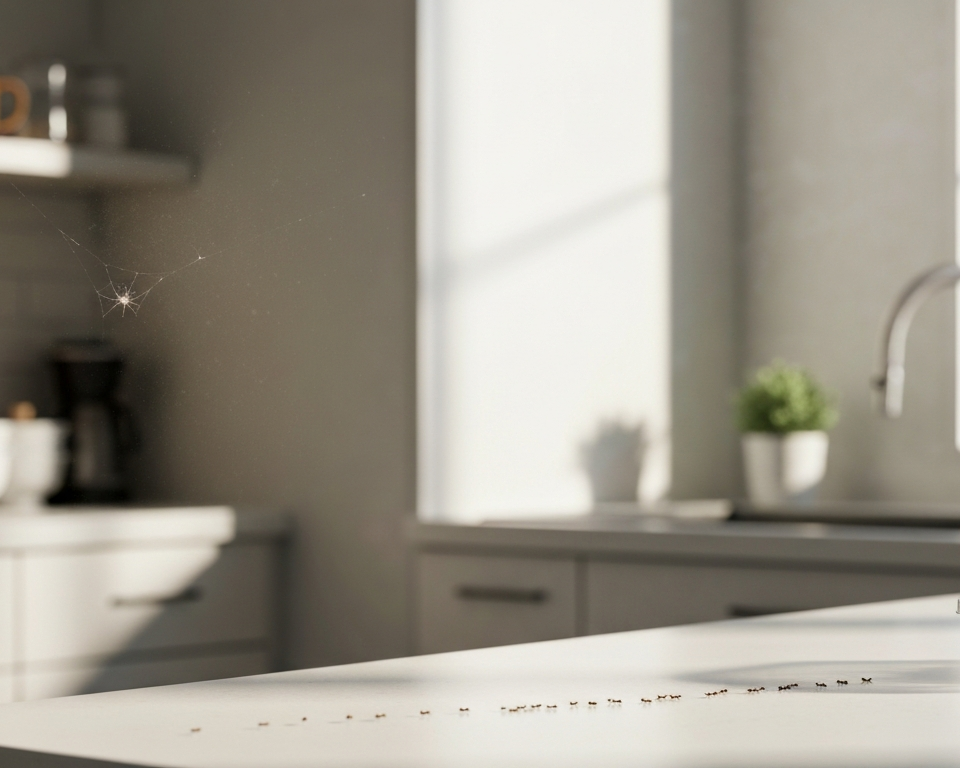
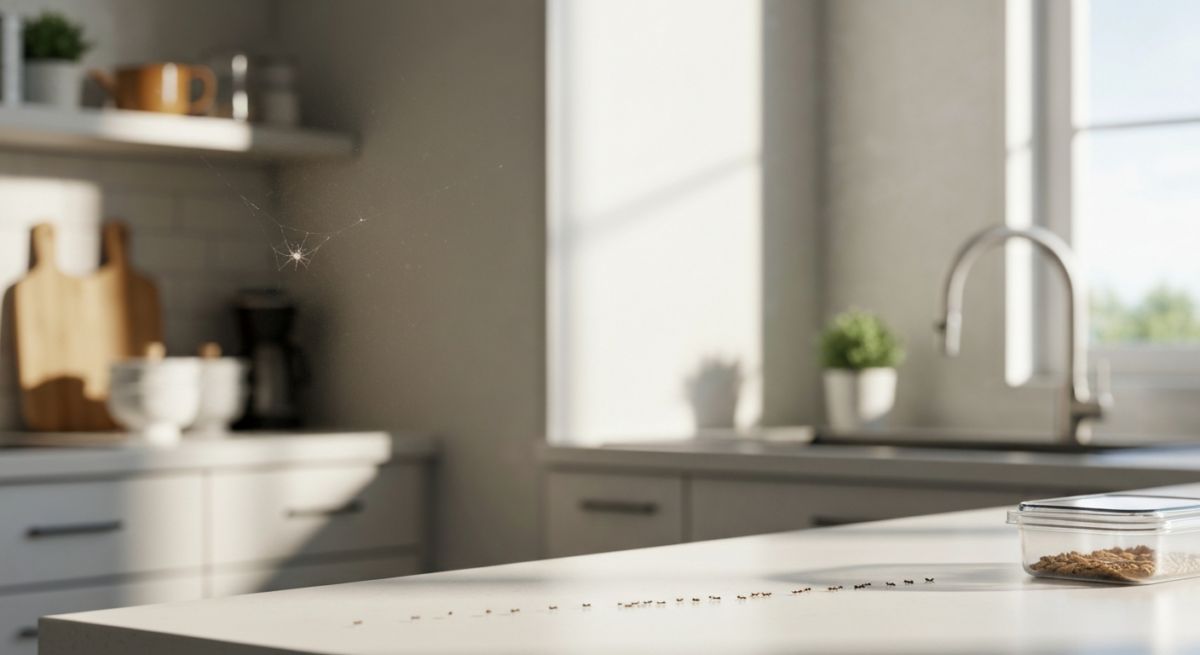
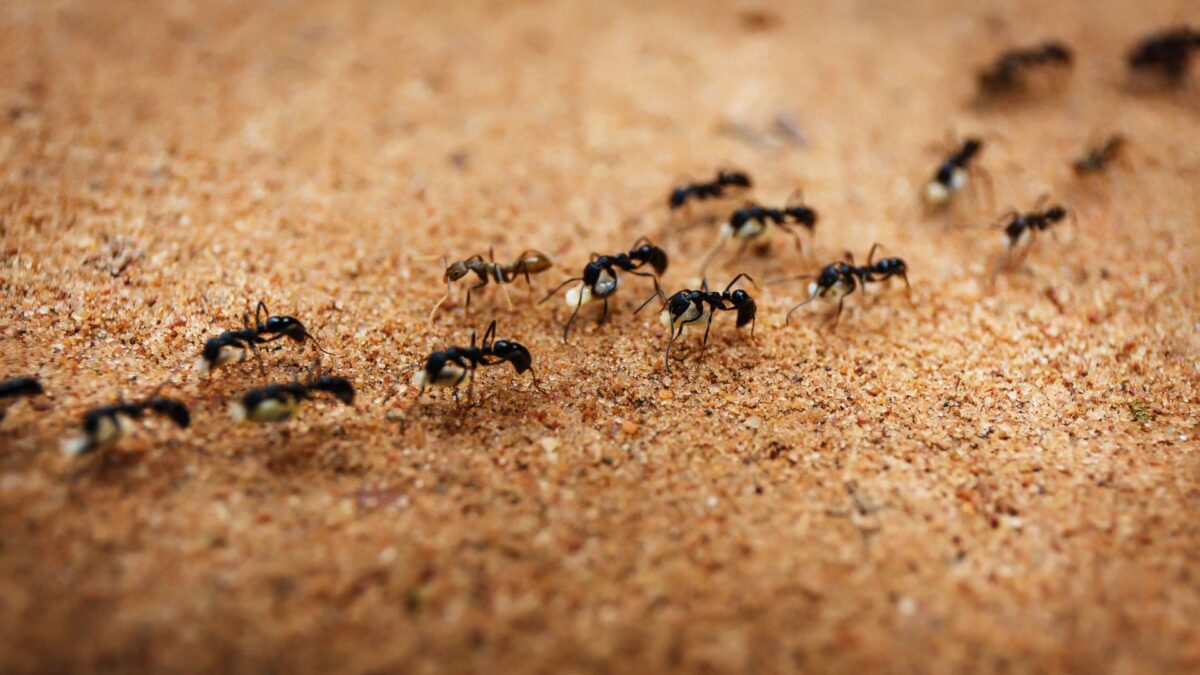
- Ants: Often seeking sweet or greasy food crumbs.
- Spiders: Looking for insects to eat and quiet places to build webs.
- Cockroaches: Drawn to moisture and food, they can spread germs.
- Rodents (Mice and Rats): Seeking warmth, food, and nesting materials.
- Fruit Flies: Attracted to ripening fruit and decaying matter.
Learning the habits of these pests helps in creating targeted prevention strategies. For more detailed information on specific pest behaviors, the Centers for Disease Control and Prevention (CDC) offers valuable insights.
Prevention is Key: Your First Line of Defense
The best strategy for indoor pest control is to make your home less inviting to pests in the first place. Here are some essential home pest prevention tips:
- Seal Entry Points: Check for cracks and gaps in walls, windows, and doors. Seal them with caulk or weatherstripping to block pests from entering.
- Maintain Cleanliness: Regularly clean countertops, floors, and pantries. Store food in airtight containers and dispose of trash promptly.
- Manage Moisture: Fix leaky pipes and faucets. Ensure good ventilation in bathrooms and kitchens to reduce humidity, which attracts pests like cockroaches.
- Yard Maintenance: Keep your yard tidy. Trim bushes away from your home’s foundation and remove standing water to discourage pests from gathering near your house.
Effective Removal Methods for Indoor Pest Control
Even with the best prevention, pests can sometimes find their way inside. When this happens, employing safe and effective removal methods is crucial for indoor pest control. Consider these approaches:
Targeted Solutions
For specific pests, targeted solutions are often most effective. For instance, using sticky traps can help monitor and capture crawling insects. For flying pests like fruit flies, simple traps using apple cider vinegar can be very effective.
Natural Repellents
Many natural substances can help deter pests without the use of harsh chemicals. Essential oils such as peppermint, lavender, and tea tree oil are known to repel certain insects. Placing cotton balls soaked in these oils in affected areas can be a helpful strategy.
DIY Methods
While some DIY methods exist, it’s important to research their effectiveness and safety. For instance, diatomaceous earth is a natural powder that can be effective against crawling insects but should be used carefully.
Remember, your goal is safe pest removal. Always follow product instructions carefully and consider the safety of children and pets.
When to Call the Pros
Sometimes, pest problems become too big to handle on your own. If you’re dealing with a widespread infestation, or if pests like rodents or termites pose a significant risk, it’s time to seek professional help. Companies like Northpoint Pest Solutions offer expert services tailored to your specific pest issues. They have the knowledge and tools to identify the source of the problem and implement effective, safe solutions for long-term peace of mind. Consulting with experts ensures comprehensive indoor pest control that protects your home and family.
Frequently Asked Questions
What are the most common signs of a pest infestation?
Common signs include seeing live pests, finding droppings (like small black specks for ants or larger pellets for rodents), noticing damage to food or structures, and discovering nests or egg cases.
Are natural pest control methods truly effective?
Natural methods can be effective for minor issues or as a preventative measure. Their effectiveness varies depending on the pest and the severity of the infestation. For persistent problems, professional solutions are often needed.
How can I prevent ants from coming into my kitchen?
Keep your kitchen spotless, store food in airtight containers, clean up spills immediately, and seal any entry points where ants might be getting in. Eliminating their food and water sources is key.
Expert Takeaway
John Smith, Pest Control Specialist
With over a decade of experience in pest management, Melvin Smith is dedicated to helping homeowners create safe and pest-free environments. He emphasizes proactive prevention and the use of targeted, eco-friendly solutions. Melvin believes that informed homeowners are empowered homeowners, capable of maintaining healthier living spaces.
Take Action Today!
Don’t let pests take over your home. Implement these indoor pest control strategies today to protect your family and property. If you suspect a serious infestation or need professional guidance, contact experienced pest control services to ensure a thorough and lasting solution.