



Table of Contents
- Introduction
- Identifying Common Household Pests
- Effective Home Pest Prevention Strategies
- Tackling Seasonal Pest Issues
- When to Call the Professionals
Introduction
Keeping your home free from unwanted critters is a top priority for any homeowner. Understanding effective residential pest control is the first step to ensuring a safe and comfortable living environment. Pests can range from tiny ants to larger rodents, and they can cause damage, spread germs, and create a general nuisance. This guide will walk you through essential strategies for prevention and identification, helping you maintain a pest-free home year-round.
At Northpoint Pest Solutions, we understand the stress that pests can bring. Our expert team is dedicated to providing reliable services to protect your property. For professional assistance, explore the services offered at Northpoint Pest Solutions.
Identifying Common Household Pests
The first step in effective pest management is knowing what you’re dealing with. Different pests require different approaches. Here are some common household invaders:
- Ants: Often found in kitchens and bathrooms, searching for food and water.
- Cockroaches: Thrive in warm, moist environments and can spread bacteria.
- Spiders: While many are harmless, some can deliver painful bites.
- Mosquitoes: Annoying biters that can also transmit diseases.
- Rodents (Mice & Rats): Can chew through wires, contaminate food, and damage property. Learn more about rodents on Britannica.
Proper pest identification is crucial for choosing the right treatment method.
Effective Residential Pest Control Prevention Strategies
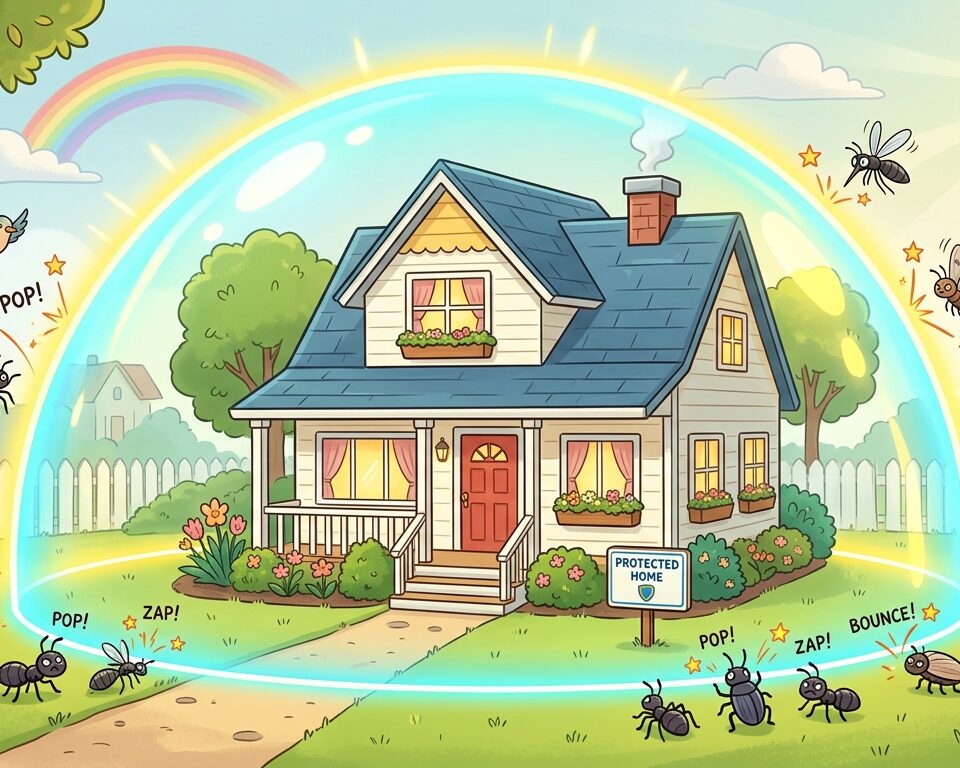
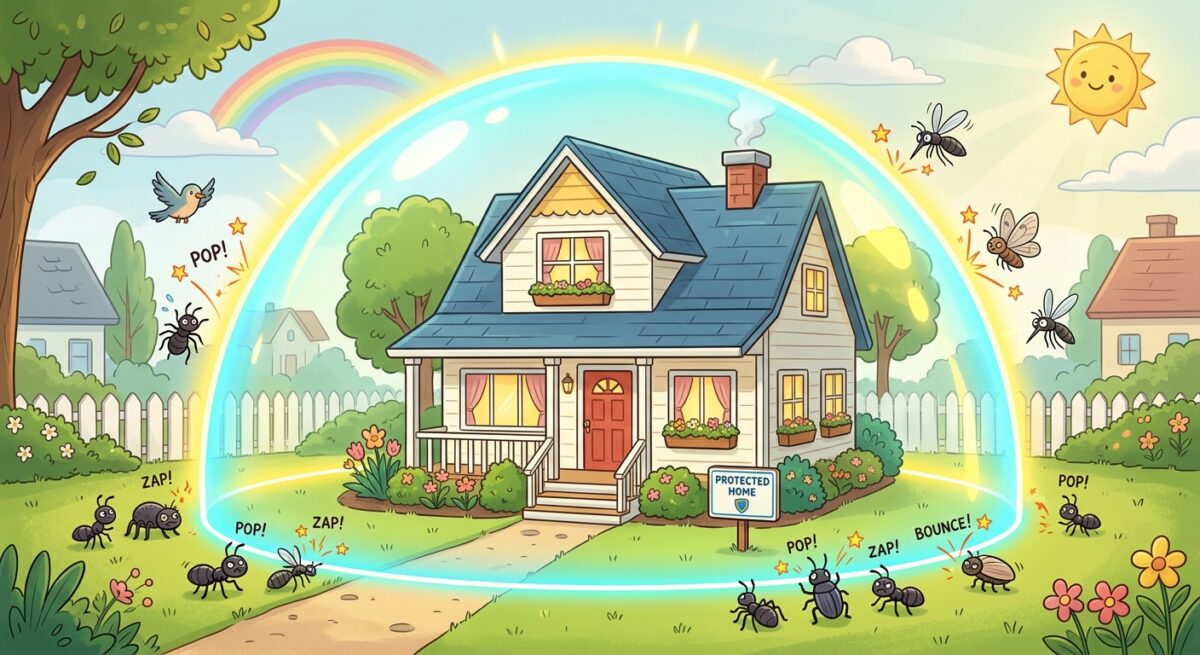
Prevention is always better than a cure when it comes to pests. Implementing a few key habits can significantly reduce your chances of an infestation:
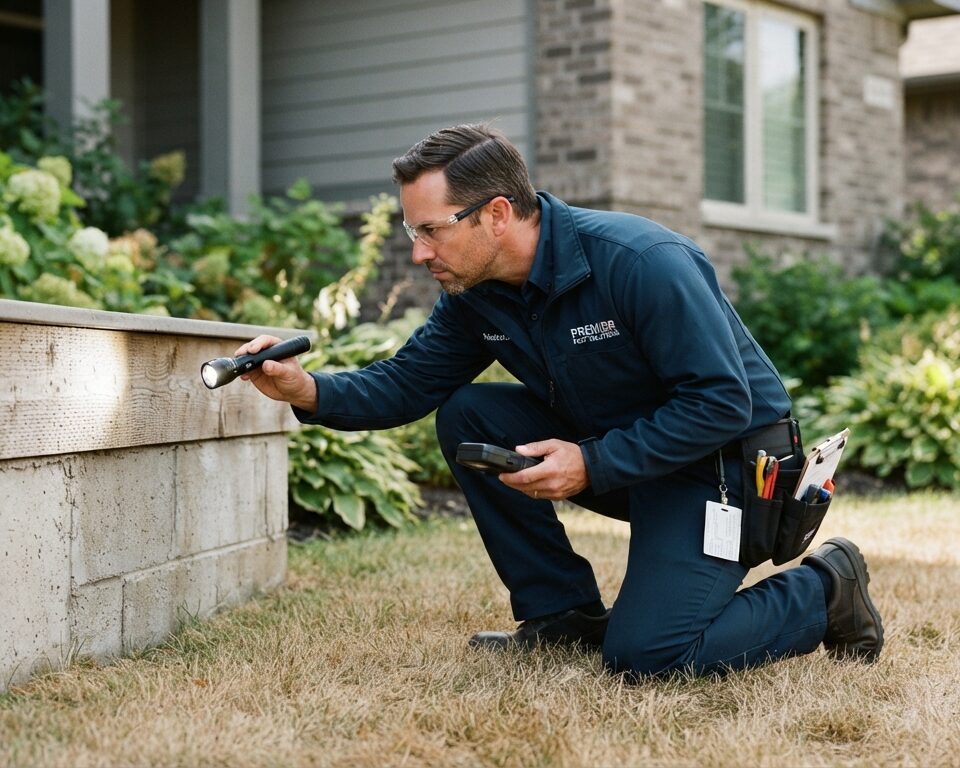
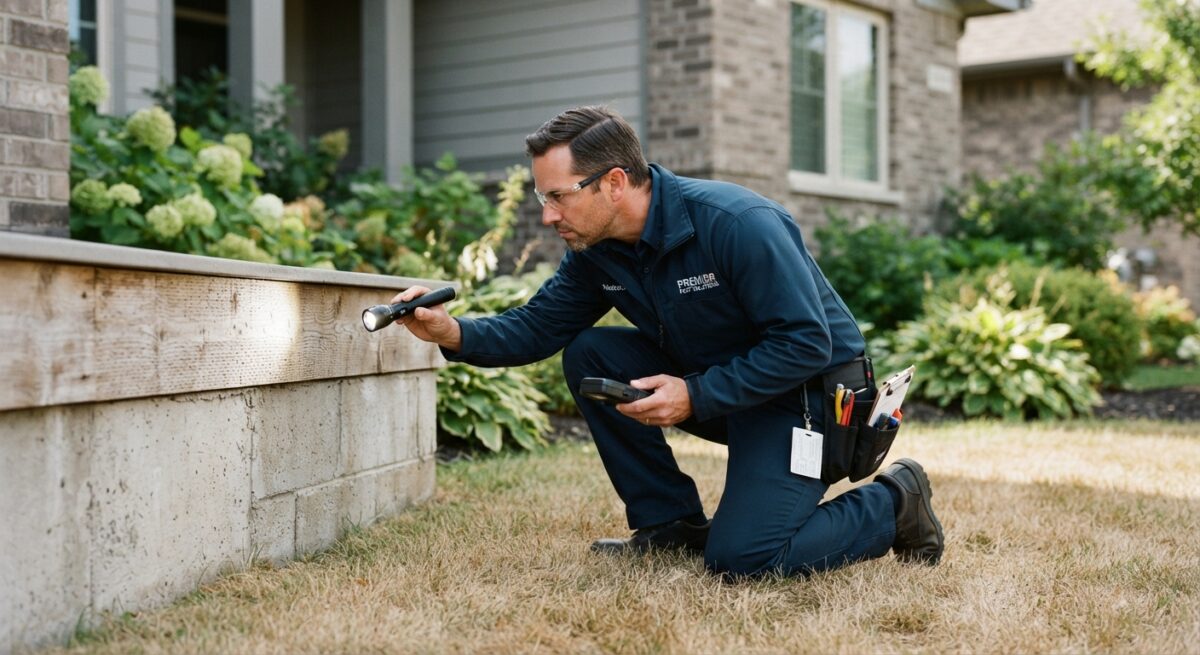
- Seal Entry Points: Regularly inspect your home’s exterior and interior for cracks or gaps in walls, foundations, windows, and doors. Seal them with caulk or weatherstripping.
- Manage Moisture: Fix leaky pipes and faucets. Ensure good ventilation in bathrooms and kitchens. Empty standing water from plant saucers or pet bowls.
- Proper Food Storage: Keep food in airtight containers. Clean up crumbs and spills immediately. Take out the trash regularly.
- Yard Maintenance: Keep your lawn mowed and trim shrubs away from your house. Remove leaf litter and debris where pests can hide.
These simple steps are part of smart home pest prevention and contribute to overall home safety.
Tackling Seasonal Pest Issues
Pest activity often changes with the seasons. Understanding these seasonal pest issues can help you prepare:
- Spring: Ants and spiders become more active as they emerge from winter dormancy.
- Summer: Mosquitoes, flies, and stinging insects like wasps are at their peak.
- Fall: Pests like mice and stink bugs may try to find shelter indoors as temperatures drop.
- Winter: While activity slows, rodents might seek warmth inside homes, and overwintering insects can be present.
Proactive measures during transition periods can prevent larger problems later.
When to Call the Professionals
While DIY methods can handle minor issues, some situations call for expert help. If you suspect a large infestation, deal with dangerous pests like stinging insects or venomous spiders, or find evidence of rodents, it’s time to contact professionals. Companies like Northpoint Pest Solutions have the knowledge, tools, and safe treatments to effectively manage and eliminate pest problems, ensuring your home remains a healthy sanctuary.

Frequently Asked Questions
What are the most common pests found in homes?
The most common pests include ants, cockroaches, spiders, mosquitoes, and rodents like mice and rats. Each requires specific methods for control.
How often should I inspect my home for pests?
It’s recommended to conduct a visual inspection at least once a season, paying close attention to common entry points and areas where pests are attracted, such as kitchens and basements.
Are DIY pest control methods effective?
DIY methods can be effective for minor issues or as a preventative measure. However, for significant infestations or hard-to-reach pests, professional services offer more reliable and comprehensive solutions.
How can I prevent ants from entering my home?
To prevent ants, keep your kitchen clean, store food in airtight containers, seal cracks and crevices, and address any moisture issues. Eliminating their food and water sources is key.
Expert Takeaway
By John Smith, Pest Control Specialist
As a seasoned professional in pest management, I’ve seen firsthand the impact that both minor and major pest issues can have on homeowners. Implementing consistent prevention strategies is your first line of defense. Don’t hesitate to seek expert advice when dealing with persistent or severe pest problems to ensure the long-term health and safety of your living space.
Take Control of Your Home’s Health
Don’t let pests compromise your comfort and safety. Start implementing these residential pest control tips today! If you need expert assistance, reach out to the trusted professionals at Northpoint Pest Solutions for a comprehensive inspection and effective treatment plan. Your peace of mind is just a call away!
Contact Northpoint Pest Solutions today for a free estimate!