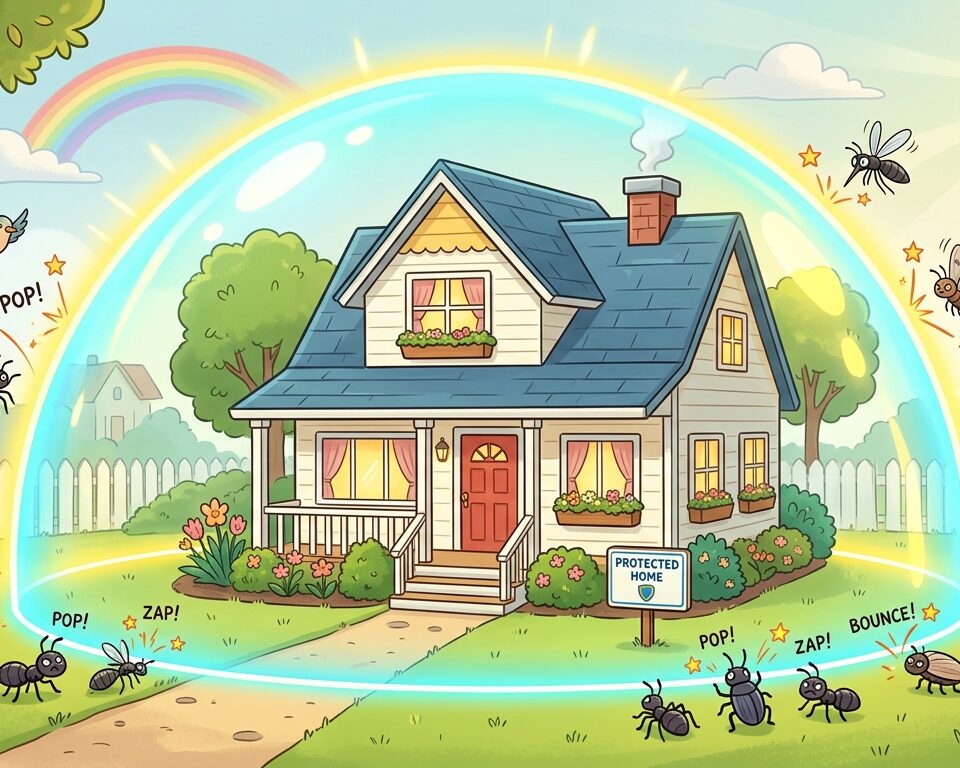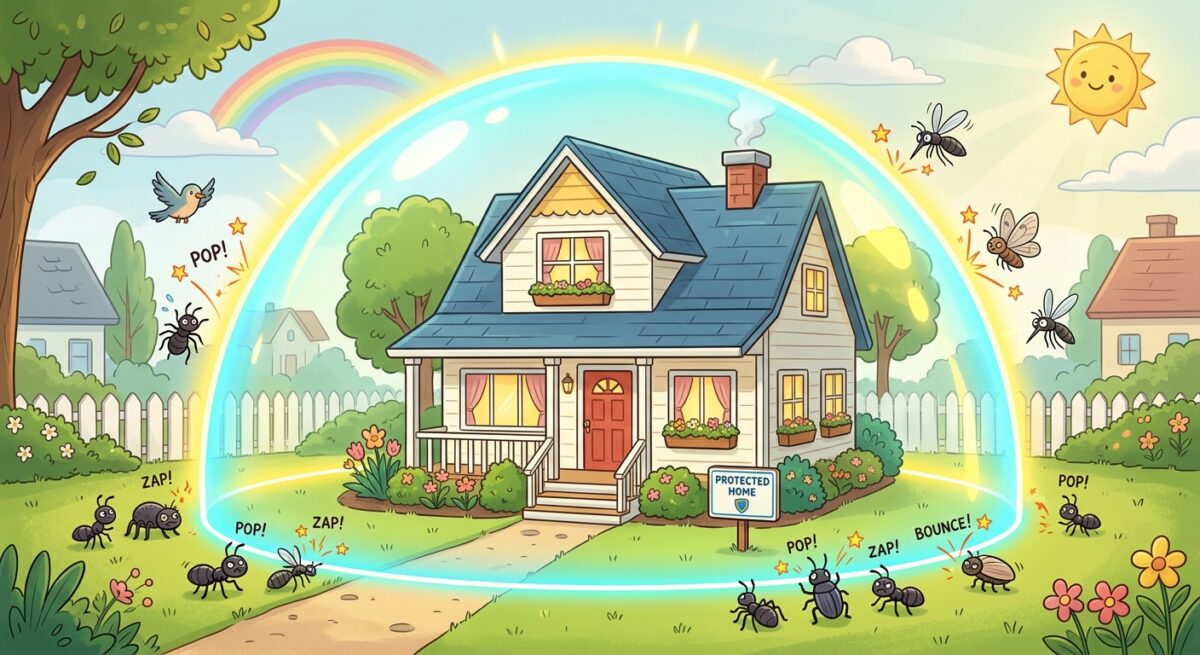




Backyard mosquito problems in North Bay homes almost always trace back to standing water on the property, not the neighbor’s yard or the creek nearby. Mosquitoes can breed in something as small as a flower pot saucer or a pet bowl left outside for a few days. Getting control means clearing those water sources before any treatment goes down, then using targeted trap stations for the spots you can’t drain. Most yards see a noticeable drop in activity within a few weeks, though some lingering presence near dense vegetation is normal.
Mosquito calls in North Bay backyards usually start the same way: the homeowner is convinced the problem is coming from somewhere else. A neighbor’s overgrown lot. The creek nearby. The park down the street. And while outside sources can contribute, the breeding site is almost always closer to home, sometimes within a few feet of where you’re standing.
At North Point Pest Solutions, we handle mosquito jobs across the North Bay, and the pattern we see over and over is that the source is right there in the yard. This is what we look for, what we treat, and what we’ve learned about how these problems actually get resolved.
What Mosquito Problems Look Like in North Bay Backyards
When we walk a backyard with a serious mosquito problem, we’re not looking at the sky or the neighbor’s fence. We’re scanning low, looking for water. Standing water is where mosquitoes breed, and in North Bay yards, it shows up in more places than most people expect.
The most common situation we see is a yard with accumulated clutter: old tires, recycling bins, flower pots, kids’ toys, and anything else that can pool rainwater or irrigation runoff. These aren’t dramatic infestations: they’re a lot of small breeding sources spread across the property, each producing a handful of adults that add up fast.
North Bay residents also tend to water heavily, and inconsistent or excessive watering can leave standing puddles for days. Pet water bowls left outside are another routine contributor that homeowners rarely connect to their mosquito problem.
The most common breeding sources we find are not hidden. They’re sitting out in the open, usually within a few steps of the back door. In North Bay yards, it’s the combination of outdoor habits and accumulated clutter that creates the conditions mosquitoes need to establish themselves. None of these look alarming on their own, which is exactly why they get missed. These are the sources we find on nearly every job we run in the area:
- Old tires, recycling bins, and any uncovered container left outdoors — even a bottle cap holds enough water to produce mosquitoes
- Flower pots and plant saucers that collect water after irrigation or rain, especially in shaded spots where water evaporates slowly
- Pet water bowls left outside between uses, which can turn into active breeding spots within a few days
- Low spots in the yard where irrigation runoff pools and sits, often invisible until you’re specifically looking for them
Most of these sources aren’t things homeowners notice on a normal day because none of them look like a problem on their own. That’s part of what makes mosquito control in residential yards different from treating a visible pest: the breeding is happening in ordinary objects and daily habits, not in some obvious infestation site.
One of the more unexpected breeding sources we’ve found on a local job: a crawlspace (the low, unfinished area underneath a home). Not something most people would ever consider when they’re thinking about mosquitoes, but moisture trapped below the house can absolutely be a factor.
How We Assess the Problem
The first thing we do on a mosquito job is walk the property and document what we find. We look for any container, low spot in the ground, or surface that holds water, and we photograph all of it. Those photos go directly into the invoice so the homeowner has a clear record of what was contributing to the problem. People forget what was there before treatment, and the photos give us a shared reference point going into follow-up visits.
We also ask questions: How often are you watering? Does standing water typically drain within a day or two? What happens with your recycling before pickup? The answers tell us a lot about what the next several weeks are going to look like.
Our Approach to Mosquito Treatment
Our treatment starts with source elimination, not the spray gun. Before we apply anything, we dump every standing water source we can access. Any container holding water gets emptied. We ask the homeowner to discard recyclables and pull yard clutter that has been sitting around collecting rainwater.
From there, we set up mosquito trap stations around the yard (small targeted units that attract and interrupt the breeding cycle in areas we can’t drain). On the jobs where we have seen the best results, it has been the combination of physical source removal and the stations working together. Neither approach alone handles the problem as effectively as both together.
One thing we see in this area is homeowners trying to manage mosquitoes by spraying green repellents on vegetation and leaving it at that. It makes sense to start there. But spraying foliage without addressing breeding sources is like mopping the floor while the faucet is still running. You might knock down what you can see, but the underlying conditions stay the same.
What Homeowners Can Do
There are two windows where homeowner behavior makes the biggest difference: before we arrive, and between visits.
Before we arrive, a bit of prep from the homeowner makes a real difference in how the first treatment goes. A yard that’s been partially cleared gives us more access, shorter setup time, and a better baseline for judging how the treatment performs. Most of it takes less than an hour. These are the four things that matter most before our first visit:
- Dump or remove any containers sitting outside — flowerpots, buckets, kids’ toys, trays, or anything else that collects water
- Bring pet water bowls inside or replace the water daily until we can get there
- Pull recyclables away from the fence line and clear clutter from the back corners of the yard
- Note where you typically water and whether any areas stay wet for more than a day after irrigation — consistent pooling is a good drainage problem worth fixing before and after we treat
You don’t need to do a full yard overhaul before we arrive. Even clearing a handful of obvious sources puts the first treatment in a stronger position and shortens the time it takes to see real results.
Between visits is where things often come undone. A common issue: homeowners try to inspect our trap stations out of curiosity and accidentally spill the product when they open them. The stations are most effective when left alone between scheduled visits. We also ask homeowners to stay mindful of watering habits, because a yard getting watered daily without good drainage is going to be a challenge regardless of what we apply.
Yards with heavy clutter and dense vegetation take longer to get under control. The more the space can be simplified, the more effective treatment becomes.
What Does Getting It Under Control Actually Look Like?
Mosquito control is exactly that: control. We are not promising zero mosquitoes.
North Bay mosquito activity doesn’t end with summer, and these pests are mobile. Any yard that backs up to open land, a park, or heavy vegetation is going to see some level of activity no matter what we do inside the property line.
What we can deliver is a meaningful decrease in population and activity. A realistic outcome means a noticeable decline in mosquito activity within a few weeks of treatment, with some lingering presence near fence lines and dense vegetation, especially at dusk. That is not a treatment failure. That is where the honest expectations need to be set.
The jobs that resolve best are the ones where the homeowner makes changes alongside us. On one local job, the homeowner ended up hiring a gardener and committing to better yard maintenance after we walked them through what was driving the problem. By the time we finished, the standing water was no longer an issue and the yard was well-maintained. The conditions feeding the infestation simply were not there anymore.
A Job That Changed How We Document
One call stands out for how it shaped our process. The homeowner was certain the mosquitoes were coming from a neighbor’s property, a very common starting point. We walked the yard and found the usual contributors: clutter, standing water, denser planting near the perimeter. But the source that surprised us was the crawlspace (the area underneath the house). It was holding enough moisture to be actively contributing to breeding below the home.
We photographed everything and added it directly to the invoice. We walked the homeowner through each photo and explained what we were looking at. Once they could see it laid out clearly, the skepticism about the neighbor shifted. They understood the real sources. They made changes. The job resolved well.
Now we document every contributing source on every mosquito job. Homeowner understanding is not just a courtesy: it is half the reason treatments work long-term.